Zelkova
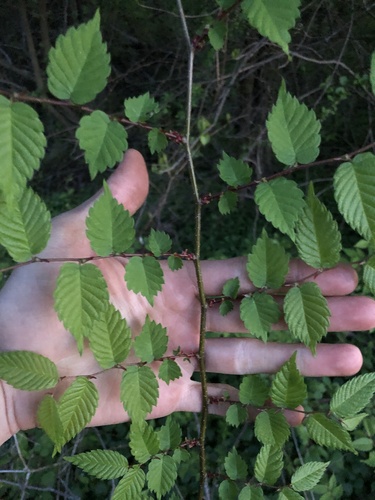
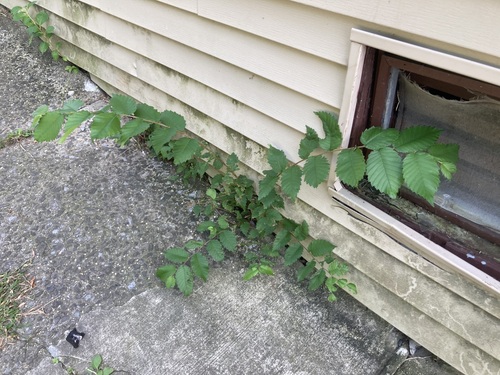
In favorable conditions with good soil and adequate root space, zelkova can live 150 to 300 years. In typical suburban settings with compacted soils, pavement over roots, or restricted planting areas, expect 80 to 120 years before serious decline sets in.
Japanese zelkova typically reaches 50 to 80 feet tall with a canopy spread of 40 to 60 feet at maturity. Street trees in restricted soil volumes often top out closer to 40 to 50 feet, which is still a substantial tree by any measure.
Care & Maintenance
Zelkova wants full sun and does best in deep, moist, well-drained soil, but it tolerates a fairly wide range once established. Water young trees regularly for the first two to three years, especially during dry summer stretches. Keep mulch a few inches away from the trunk and maintain a mulched ring out to the dripline if you can. Fertilizer is rarely needed in healthy suburban soils.
Common Issues & Threats
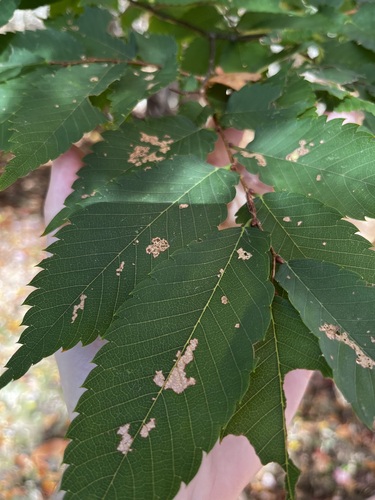
- Elm leaf beetle (Xanthogaleruca luteola): This pest skeletonizes leaves in summer, leaving them brown and papery by August. Heavy infestations over multiple consecutive years will weaken a young or recently transplanted tree significantly.
- Botryosphaeria canker: A fungal canker that enters through wounds or bark stressed by drought. You will see sunken, discolored areas on branches or the main stem. Prune out infected wood at least six inches below the visible canker margin and dispose of the material off-site.
- Compacted soil: This is zelkova's biggest enemy in suburban settings and the one most homeowners overlook. Compacted clay under driveways, patios, or high-traffic lawn areas restricts root oxygen and water uptake, causing slow decline that gets misdiagnosed as a disease problem for years.
Pruning Guide
Structural pruning in the first ten to fifteen years is the most valuable thing you can do for a zelkova long-term. The tree naturally develops co-dominant stems, meaning multiple competing leaders, and that structure can split catastrophically in mature trees during ice or wind events. Prune to establish one central leader while the tree is young and the cuts are small. After the structure is set, limit pruning to dead, damaged, or crossing branches and do it in late winter before bud break.
Did You Know?
Here is what most people get wrong about zelkova: because it is marketed as an elm replacement and disease-resistant, homeowners assume it is trouble-free. But zelkova is in the elm family, and elm leaf beetle, the same insect that helped accelerate the decline of American elms, feeds on it readily. Disease resistance does not mean pest resistance. On a more encouraging note, zelkova wood is exceptionally hard and dense, which is part of why old, well-sited specimens hold up so well and can genuinely anchor a property for multiple generations.
Where Zelkova Is Found
Zelkova is common in 1369 of the US communities we cover, across 1 climate regions.
... and 1357 more cities
Need Zelkova Care?
Find ISA-certified arborists experienced with Zelkova in your area.
Take the Tree Risk Quiz