Wiliwili
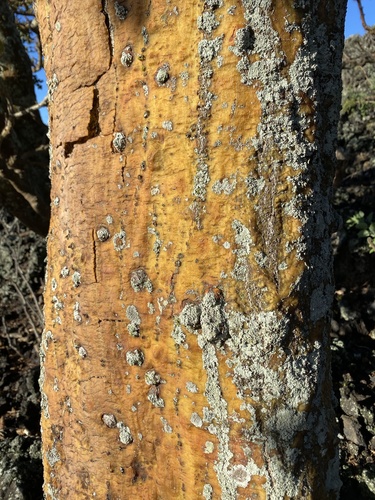
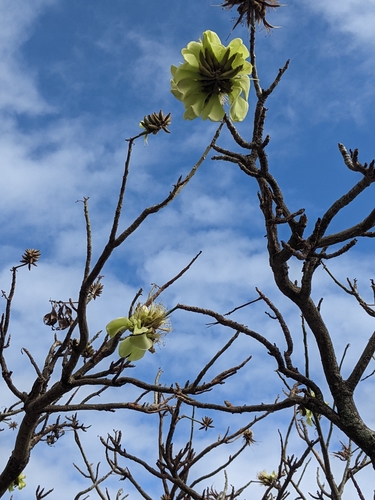
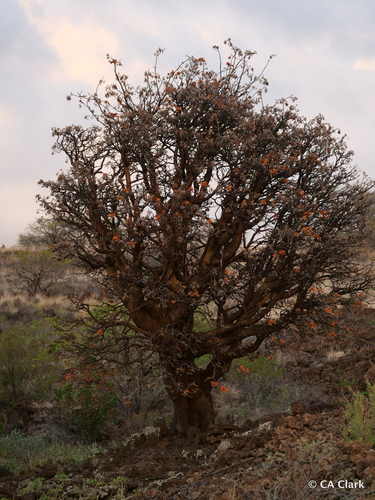
Wiliwili can live well over 100 years in the right site. In poor drainage or under persistent gall wasp pressure without biological control, a tree can decline significantly within 10 to 15 years.
Typically 20 to 40 feet tall with a spread of 20 to 35 feet, though trees on exposed, rocky sites often stay shorter and more sprawling. In cultivation with decent soil depth, you can see specimens push toward the larger end of that range.
Care & Maintenance
Once established, wiliwili wants very little water. Overwatering is actually one of the most common ways people kill them. It needs full sun and fast-draining soil, ideally decomposed lava or sandy loam with no standing water after rain. Skip fertilizer unless the tree shows real nutrient deficiency, because pushing lush growth makes it more attractive to the erythrina gall wasp.
Common Issues & Threats
- Erythrina gall wasp (Quadrastichus erythrinae): This tiny invasive wasp arrived in Hawaii around 2005 and nearly drove wiliwili to extinction within two years. It lays eggs in new growth, causing grotesque galls that deform and kill shoots. A biological control wasp (Aprostocetus nitens) was released starting in 2008 and has reduced but not eliminated the problem. If you see warty, swollen galls on new leaves and stems, that is what you are dealing with.
- Root rot from poor drainage: Wiliwili evolved in porous volcanic soil. Plant it in heavy clay or a low spot that holds water and the roots will rot, usually before you notice anything wrong above ground. By the time the canopy looks sick, the root damage is often irreversible.
- Trunk borers: In weakened trees, wood-boring beetles can move in. You will see small round exit holes in the bark and fine sawdust-like frass. This is usually a secondary problem following gall wasp stress or drought stress, not a primary attack on a healthy tree.
Pruning Guide
Prune during the dry season when the tree is semi-dormant and has dropped its leaves. That is when you can actually see the structure clearly and wounds dry quickly rather than sitting wet. Avoid heavy pruning during humid periods because exposed cuts invite fungal problems. Remove dead wood and crossing branches, but do not over-thin the canopy chasing a tidy look. Wiliwili has an inherently irregular, sculptural form and fighting that shape does more harm than good.
Did You Know?
The wood is so lightweight it was traditionally used by Hawaiians to make surfboards and canoe outriggers. Here is what most people get wrong: they treat wiliwili like a typical flowering tree and baby it with irrigation. What actually kills it is kindness. This tree spent thousands of years adapting to drought, and consistent watering suppresses its natural dormancy cycle and makes it permanently susceptible to disease.
Where Wiliwili Is Found
Wiliwili is common in 121 of the US communities we cover, across 1 climate regions.
... and 109 more cities
Need Wiliwili Care?
Find ISA-certified arborists experienced with Wiliwili in your area.
Take the Tree Risk Quiz