Western Red Cedar
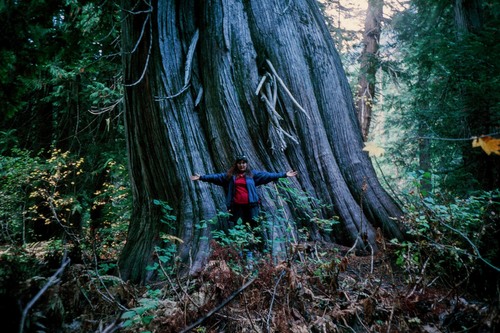
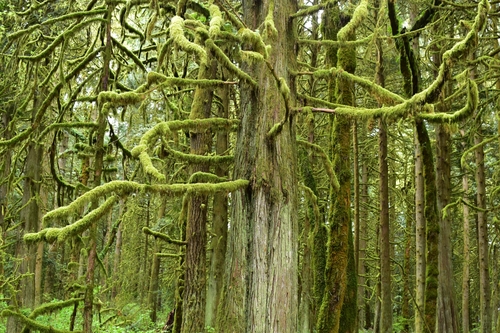
Western Red Cedar regularly lives 500 to 1,000 years in undisturbed conditions. Landscape trees with root competition, soil compaction, and stress from surrounding development rarely achieve that, but a healthy specimen on a good site can still outlive several generations of homeowners.
In a landscape setting expect 50 to 70 feet tall with a spread of 15 to 25 feet at the base. In old-growth forest conditions trees exceed 200 feet and trunk diameters of 10 feet or more are documented. Plant accordingly — this is not a tree for a 40-foot suburban lot.
Care & Maintenance
Western Red Cedar wants consistent moisture and will tell you when it is stressed by browning foliage tips — in a dry summer, deep watering every two to three weeks is more useful than frequent shallow watering. It tolerates partial shade but grows faster and holds a tighter form in full sun. Avoid planting in compacted or poorly drained soil; standing water around the roots is more dangerous to this tree than drought.
Common Issues & Threats
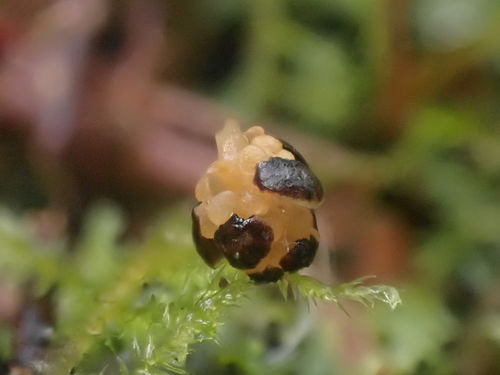
- Armillaria root rot (Armillaria ostoyae): This is the one that kills established trees. You will see honey-colored mushrooms at the base in fall, resinous oozing at the root collar, and progressive crown dieback. By the time symptoms are obvious, the infection is usually years old and the tree may be a hazard.
- Cypress tip moth (Argyresthia franciscella): Larvae tunnel into the tips of foliage in spring, causing scattered brown tips that look like drought stress. It is cosmetic in most years and rarely worth treating, but a heavy infestation on a young tree can set back growth noticeably.
- Pestalotiopsis tip blight: A fungal disease that moves in during wet Pacific Northwest winters, browning out branch tips and sometimes whole lower branches. It tends to hit trees that are already stressed — poor drainage, root competition, or recent transplant shock — so fixing the underlying problem matters more than fungicide.
Pruning Guide
Here is what most people get wrong: Western Red Cedar will not regenerate new growth from bare brown wood. If you cut back a branch past the living green foliage, that branch will not recover — you will be left with a permanent dead stub. Limit pruning to removing dead, damaged, or crossing branches, and do it in late winter before new growth begins. Light shearing for shape on hedges is fine as long as you stay within the green zone.
Did You Know?
The rot resistance this tree is famous for comes from natural compounds in the heartwood called thujaplicins, which are antifungal oils the tree produces on its own — no treatment needed. Indigenous nations of the Pacific Northwest called it the Tree of Life and used the wood, bark, and roots for everything from canoes to clothing, which reflects how structurally and culturally central this species was to the region for thousands of years.
Where Western Red Cedar Is Found
Western Red Cedar is common in 345 of the US communities we cover, across 1 climate regions.
... and 333 more cities
Need Western Red Cedar Care?
Find ISA-certified arborists experienced with Western Red Cedar in your area.
Take the Tree Risk Quiz