Weeping Willow
30 to 40 years in typical suburban conditions, sometimes less. These are not long-lived trees, which surprises most homeowners who plant them expecting a permanent landscape feature.
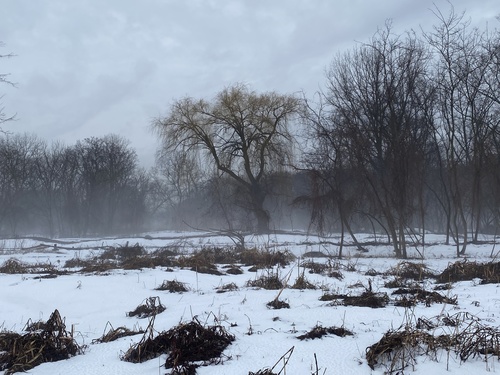
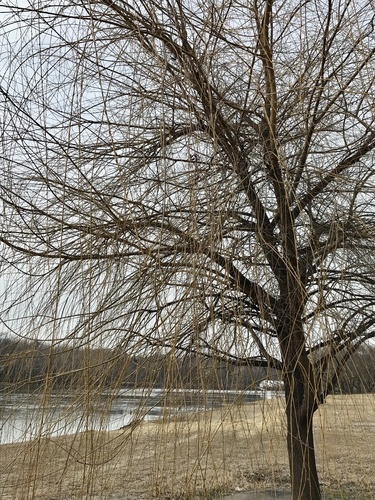
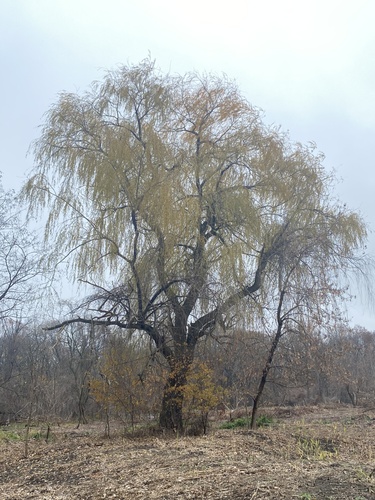
40 to 50 feet tall with a spread of 35 to 45 feet. In ideal conditions near water, some specimens push past 60 feet. The canopy is wide and weeping, so the footprint on your property is significant.
Care & Maintenance
Weeping willows want full sun and consistently moist soil, and they will go looking for water if they don't get it. That's the root of most homeowner problems — literally. You don't need to water an established tree much, but planting one in dry, sandy soil just means the roots will travel farther to find moisture. Skip the heavy fertilizing; a fast-growing tree in a suburban lot doesn't need encouragement to grow faster.
Common Issues & Threats
- Root intrusion into pipes and foundations: Willow roots are aggressive and follow moisture gradients directly into sewer lines, drain tiles, and even small foundation cracks. The general rule is 50 feet of clearance from any buried utility or structure, but many experts say that's still not enough on a small lot.
- Willow scab and black canker (Fusicladium saliciperdum and Glomerella miyabeana): These two fungal diseases often show up together, causing olive-brown lesions on new shoots in spring, then killing back entire branches. You'll see a lot of dieback after a wet spring. It's disfiguring and weakens the tree, but rarely fatal on its own.
- Brittle branch failure: Willow wood is genuinely weak. Branches snap in ice storms, high winds, and sometimes for no obvious reason on a calm day. If the tree is near a roof, a car, or a play area, this isn't a minor annoyance — it's a recurring liability.
Pruning Guide
Prune in late winter before new growth starts, or in midsummer after the initial growth flush hardens off. Avoid fall pruning, which can stimulate tender new growth right before frost. The goal is removing crossing branches, deadwood, and anything hanging over structures — but be realistic about how much you can actually reduce the canopy without stressing the tree or creating large wounds that invite disease.
Did You Know?
Here's what most people get wrong: they assume the roots only go where the branches hang. Willow roots can extend two to three times the width of the canopy underground, which means a tree that looks a safe distance from your house may already be under your foundation. Also, willows are one of the fastest-healing trees after a wound, which is why they've been used in traditional medicine for centuries — aspirin's active compound, salicylic acid, was originally derived from willow bark.
Where Weeping Willow Is Found
Weeping Willow is common in 1369 of the US communities we cover, across 1 climate regions.
... and 1357 more cities
Need Weeping Willow Care?
Find ISA-certified arborists experienced with Weeping Willow in your area.
Take the Tree Risk Quiz