Swamp White Oak
300 to 500 years under good conditions. Urban trees with root zone damage or chronic stress typically live 80 to 150 years.
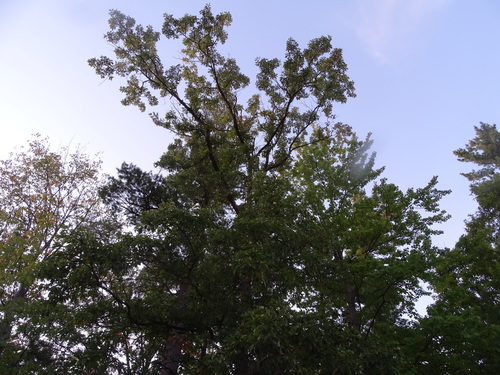
50 to 60 feet tall with a spread of 50 to 70 feet. Trees in open lawns with no competition will develop a wide, broadly rounded crown.
Care & Maintenance
Young trees need consistent watering for the first two to three years, especially during dry spells, but established trees are largely self-sufficient. They prefer full sun and do best in slightly acidic soils, which is where most people in the Upper Midwest run into trouble because our soils tend to run alkaline. Avoid fertilizing unless a soil test shows a specific deficiency. Adding high-nitrogen fertilizer to an otherwise healthy oak does more harm than good.
Common Issues & Threats
- Iron chlorosis: In high-pH soils common to the Upper Midwest, swamp white oak can't absorb iron properly and leaves turn yellow between the veins while the veins stay green. This is a soil chemistry problem, not a watering problem, and treating it with foliar sprays is a temporary fix at best. Soil acidification or trunk injections of chelated iron are the real solutions.
- Bacterial leaf scorch: Caused by Xylella fastidiosa and spread by leafhoppers, this disease causes leaf margins to brown and scorch from the outside in, starting in mid to late summer. It's chronic and incurable, though trees can live for years with it. If your oak looks drought-stressed every August despite adequate rain, get it tested.
- Two-lined chestnut borer: This beetle targets oaks that are already under stress from drought, root damage, or disease. You'll see D-shaped exit holes in the bark and branch dieback starting at the crown. The borer isn't the cause of the problem, it's the result. Fix the underlying stress first or the tree will keep declining.
Pruning Guide
Prune swamp white oak only during dormancy, meaning November through March in the Upper Midwest. This is non-negotiable if you care about oak wilt. The beetles that spread oak wilt fungus are active from April through July and are attracted to fresh pruning wounds. One bad cut in May can kill a mature oak within a season. Dead or hazard limbs can be removed anytime, but seal the wound immediately with pruning paint if you have to cut outside the dormant window.
Did You Know?
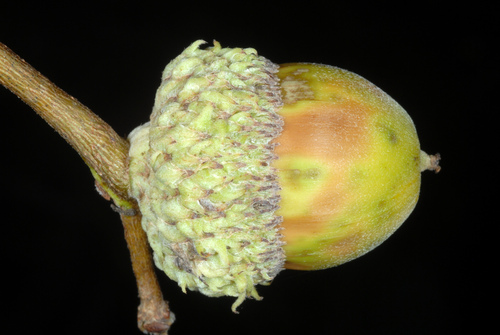
Most people assume oaks with wet names need wet conditions to survive, but a swamp white oak planted in a normal yard with decent drainage will outperform a white oak in the same spot because it handles compacted soil and drought stress better. The acorns also hang on long stalks, sometimes up to four inches, which is unusual among oaks and makes identification easy once you know to look for it.
Where Swamp White Oak Is Found
Swamp White Oak is common in 308 of the US communities we cover, across 1 climate regions.
... and 296 more cities
Need Swamp White Oak Care?
Find ISA-certified arborists experienced with Swamp White Oak in your area.
Take the Tree Risk Quiz