Strawberry Guava
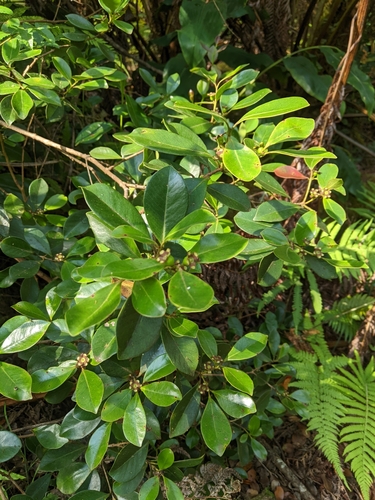
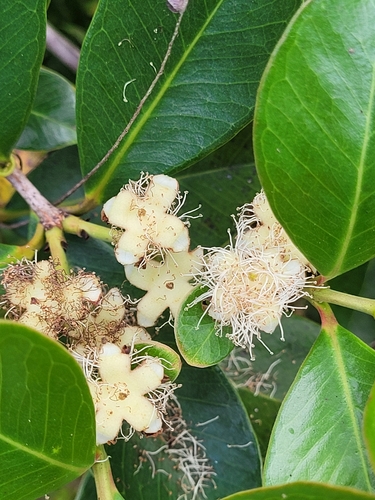
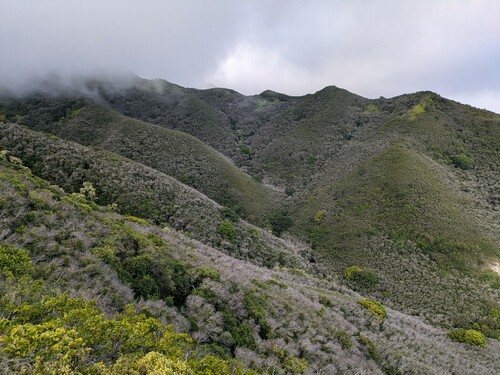
Strawberry guava can live 30 to 40 years or more under ideal conditions, and Hawaii's climate is essentially ideal for it.
Typically 10 to 20 feet tall with a spread of 8 to 15 feet, though it often grows in dense multi-stem thickets that make individual size measurements almost meaningless.
⚠ Problem Species
Why it's a problem: Extremely invasive, forms impenetrable thickets in native forests
Care & Maintenance
Strawberry guava thrives in full sun to partial shade, tolerates poor soils, drought, and wet conditions — which is exactly why it is so hard to stop. It needs no fertilizing, no supplemental watering, and no human help whatsoever to survive and spread aggressively. If you are growing one intentionally on your property in Hawaii, understand that you are actively contributing to the destruction of native ecosystems.
Common Issues & Threats
- Invasive spread via birds and pigs: Animals eat the fruit and deposit seeds throughout native forest, making containment nearly impossible once birds find your tree.
- Resprouting after cutting: Cut a strawberry guava and it will send up multiple vigorous shoots from the stump and roots. Without stump treatment using triclopyr-based herbicide immediately after cutting, you will have a worse problem within a season.
- Allelopathic leaf litter: The fallen leaves acidify and alter the soil beneath the canopy, suppressing native plant regeneration even after the tree is removed.
Pruning Guide
Pruning a strawberry guava on your property in Hawaii is not a maintenance task — it is the beginning of a removal process you need to commit to finishing. If you prune and leave the stump untreated, you will get multiple sprouts back within weeks. Any pruning should be paired with a herbicide treatment plan, and you should expect to treat regrowth repeatedly over at least two years.
Did You Know?
Here is what most people get wrong: they think removing the tree solves the problem. It does not. Seeds already in the soil can remain viable for years, and the birds that ate your fruit have already spread seeds into the forest well beyond your property line. The State of Hawaii and various conservation groups have spent decades researching biological control options, including a Brazilian rust fungus (Puccinia psidii) and a gall-forming wasp (Tectococcus ovatus), because conventional removal simply cannot keep up with the spread.
Where Strawberry Guava Is Found
Strawberry Guava is common in 121 of the US communities we cover, across 1 climate regions.
... and 109 more cities
Need Strawberry Guava Care?
Find ISA-certified arborists experienced with Strawberry Guava in your area.
Take the Tree Risk Quiz