Stewartia
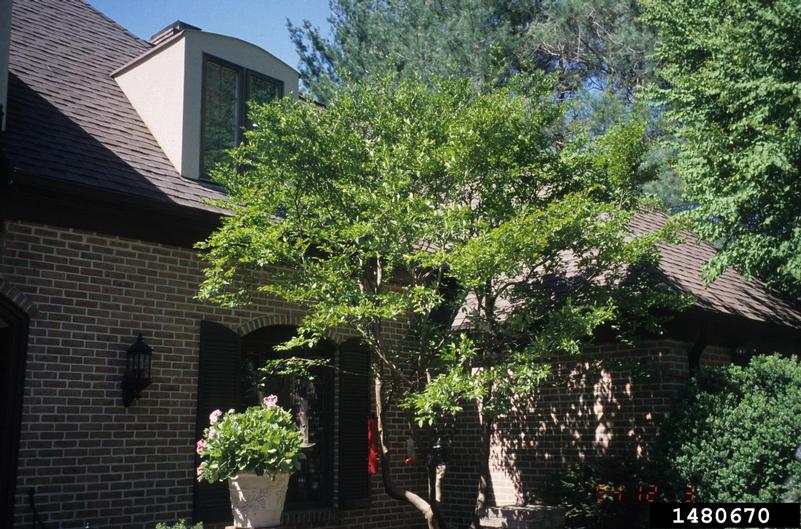
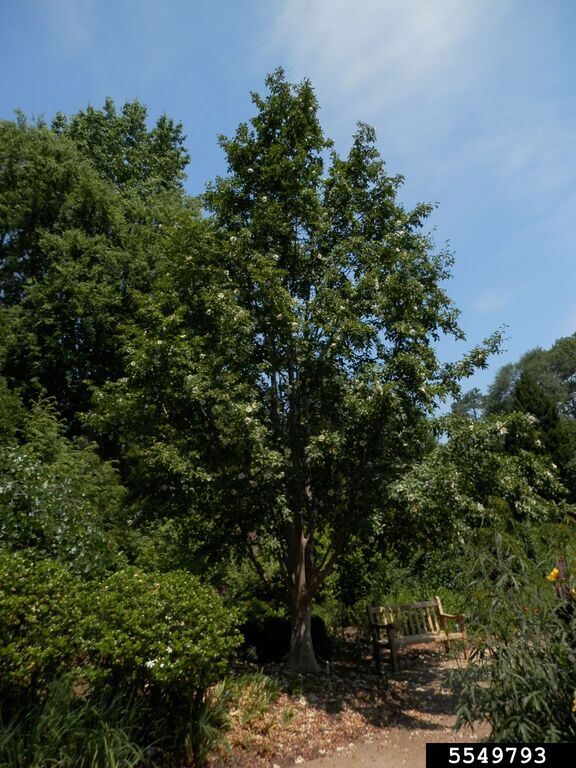
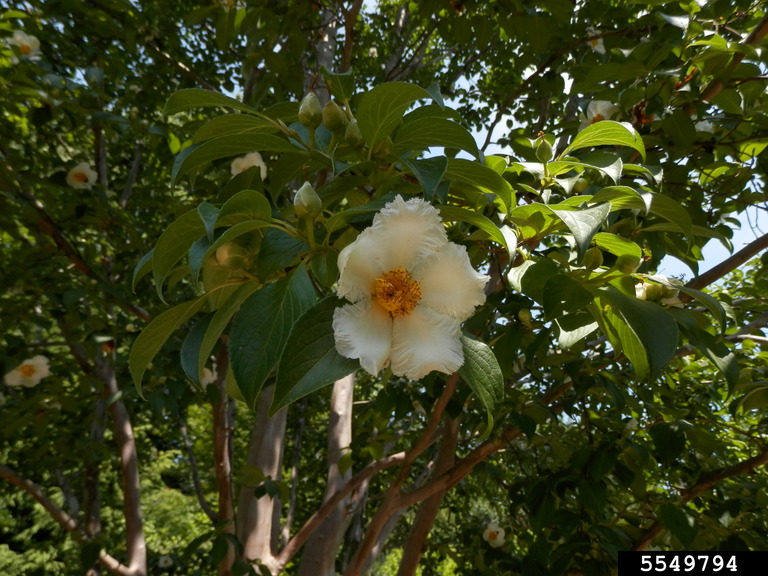
Stewartia is long-lived for an ornamental, typically 75 to over 150 years when sited correctly. Most homeowners underestimate this — it's not a 20-year tree, it's a generational one.
Japanese Stewartia typically reaches 20 to 40 feet tall with a spread of 15 to 25 feet at maturity. It grows slowly, often just 12 to 18 inches per year, so give it the space it will eventually need rather than crowding it with shrubs that you'll have to remove in 15 years.
Care & Maintenance
Stewartia wants consistently moist, acidic soil with good drainage. The PNW is actually ideal for this tree — mild summers, reliable rainfall, and naturally acidic soils in most areas. If you're in a drier microclimate or your soil tests above pH 6.5, you'll fight it. Fertilize lightly with an acidic formula in early spring; heavy feeding pushes soft growth that performs worse in every way.
Common Issues & Threats
- Chlorosis from alkaline soil: If your leaves are yellowing between the veins while the veins stay green, your soil pH is likely too high. This is iron chlorosis, and it's the most common Stewartia problem in areas with amended or imported soil. A soil test will confirm it — don't guess.
- Phytophthora root rot in poorly drained sites: Stewartia looks like a moisture-lover, and it is, but standing water kills the roots fast. If the tree is in a low spot or compacted soil, root rot from Phytophthora is a real risk. Symptoms start as dieback in the canopy and often get misread as drought stress.
- Transplant shock: Here's what most people get wrong — Stewartia does not like to be moved once established. Many gardeners buy a young tree, plant it in a temporary spot, and plan to move it later. Don't. Pick the right location the first time. Transplanting a mature Stewartia often results in a multi-year decline or outright death.
Pruning Guide
Stewartia has a naturally good structure and needs very little pruning. If you need to remove a branch, do it in late winter before bud break — never in summer, when cuts stress the tree during its active flowering and growth period. Focus on removing crossing or rubbing branches while the tree is young; correcting structure early means you won't need to make large cuts later, which is better for the tree and better for that bark you're trying to show off.
Did You Know?
Stewartia is one of the few trees that genuinely looks better in its 20s than in its first decade — the bark pattern intensifies and becomes more dramatic as the tree matures, not less. Most ornamentals peak early; this one keeps developing character. It's also a member of the same family as the tea plant (Camellia sinensis), which explains its affinity for the same cool, moist, acidic conditions that make the PNW a world-class tea-growing region.
Where Stewartia Is Found
Stewartia is common in 345 of the US communities we cover, across 1 climate regions.
... and 333 more cities
Need Stewartia Care?
Find ISA-certified arborists experienced with Stewartia in your area.
Take the Tree Risk Quiz