Russian Olive
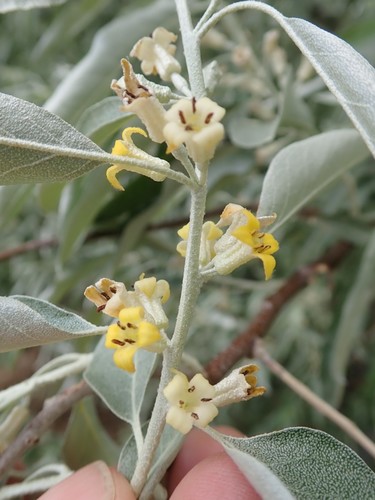
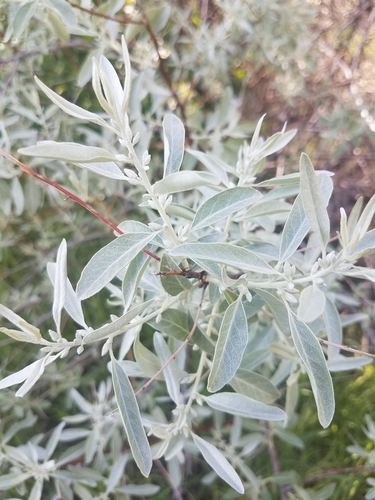
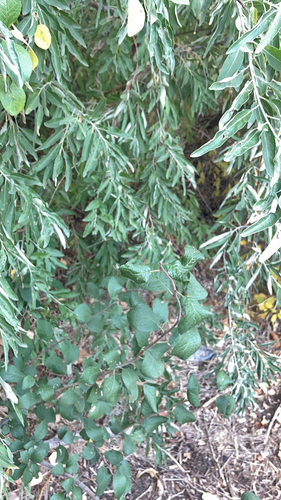
Typically 50 to 75 years under favorable conditions, though many are removed long before that due to invasive spread or property management decisions.
Usually 15 to 25 feet tall with a similar or wider spread, often growing as a multi-stemmed large shrub rather than a single-trunk tree. In ideal riparian conditions it can push 30 feet.
⚠ Problem Species
Why it's a problem: Extremely invasive in riparian areas, thorny, now illegal to plant in CO
Care & Maintenance
If you already have one on your property, it needs almost no care and that is part of the problem. It tolerates poor, dry, alkaline soils and full sun, and it can fix its own nitrogen, so fertilizing is unnecessary and actually accelerates growth. Do not plant new ones in Colorado, it is illegal, and in neighboring states it is strongly discouraged near any waterway.
Common Issues & Threats
- Invasive spread into riparian areas: Russian olive produces thousands of fruits eaten by birds, which deposit seeds along streams and riverbanks. One tree on your fence line can seed into a neighbor's irrigation ditch within a few years.
- Thorns during removal: The two-inch thorns puncture gloves, tires, and skin. Removal without proper gear sends people to urgent care. Most homeowners underestimate this badly.
- Aggressive resprouting after cutting: Cut the trunk and you often get a dozen vigorous shoots from the root crown. Without stump treatment (herbicide applied immediately to the cut surface), you are creating a multi-stemmed problem where you had one trunk.
Pruning Guide
If you are managing an existing tree, prune in late winter before leafout when you can see the structure clearly and the thorns are easier to work around with heavy gear. Wear puncture-resistant gloves, not standard leather work gloves. That said, pruning a Russian olive you intend to keep long-term rarely makes sense in Colorado given its legal status and ecological baggage. Most conversations about Russian olive pruning should really be conversations about removal planning.
Did You Know?
Here is what most people get wrong: Russian olive is not actually an olive tree and is not related to true olives. It belongs to the Elaeagnaceae family, and the name comes purely from the olive-like appearance of its fruit. The bigger surprise is that this tree can fix atmospheric nitrogen through root symbionts, the same way legumes do, which is why it thrives in the nutrient-poor soils along disturbed riverbanks where native trees struggle to compete.
Where Russian Olive Is Found
Russian Olive is common in 421 of the US communities we cover, across 1 climate regions.
... and 409 more cities
Need Russian Olive Care?
Find ISA-certified arborists experienced with Russian Olive in your area.
Take the Tree Risk Quiz