Red Oak
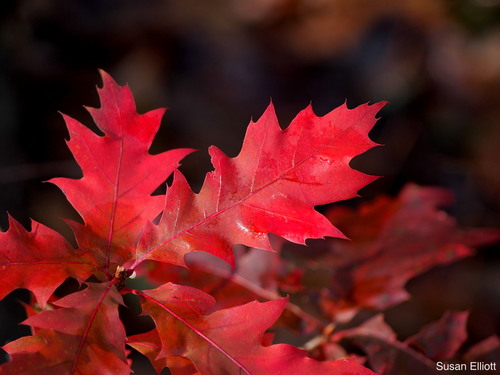
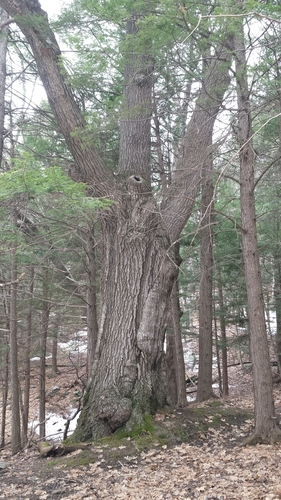
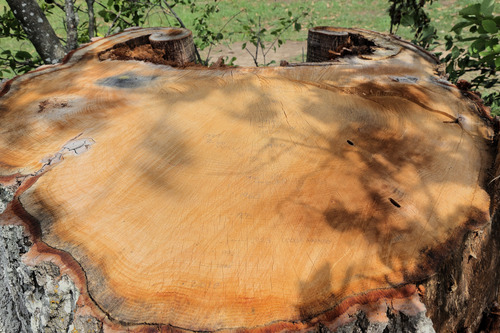
200 to 500 years under good conditions, though most suburban trees face enough compaction, drought stress, and root disturbance to fall well short of that.
60 to 75 feet tall with a spread of 45 to 60 feet. A healthy red oak in an open lawn will eventually need a lot of horizontal space, plan for that before you plant near a driveway or roof line.
Care & Maintenance
Red oak wants full sun and well-drained, slightly acidic soil. It handles drought reasonably well once established, but newly planted trees need consistent watering through the first two or three summers. Skip the heavy fertilizer, fast nitrogen-driven growth produces wood that's structurally weaker and more attractive to borers.
Common Issues & Threats
- Oak wilt (Bretziella fagacearum): This is the one that kills red oaks outright, sometimes within a single season. It's a fungal disease spread by sap beetles and through underground root grafts between neighboring oaks. The tree leafs out fine in spring, then wilts from the top down starting in June or July. There's no cure once it's established in the vascular system.
- Two-lined chestnut borer (Agrilus bilineatus): These metallic green beetles target stressed red oaks, especially those hit by drought, defoliation, or construction damage. You'll see D-shaped exit holes in the bark and progressive dieback starting in the upper canopy. The beetles didn't cause the problem, stress did, but they finish the tree off.
- Spongy moth (Lymantria dispar) defoliation: In outbreak years, spongy moth caterpillars can strip a red oak completely bare by late June. One defoliation rarely kills a healthy tree, but two or three consecutive years, especially combined with drought, tips the balance toward decline and makes the tree vulnerable to secondary borers.
Pruning Guide
Here's what most people get wrong: they prune their oaks in spring or early summer because that's when they're spending time outside and notice dead branches. That's the worst possible timing for a red oak. April through July is peak activity for nitidulid sap beetles, which carry oak wilt spores directly into fresh pruning wounds. Prune red oak in late fall or winter, ideally December through February, when beetles are inactive. If you have an emergency cut in summer, paint the wound with pruning sealant immediately, not because it helps healing, but because it masks the scent that attracts beetles.
Did You Know?
Red oak acorns take two full years to mature on the tree, which means the acorns dropping this fall were actually pollinated two springs ago. The tree is also one of the most important wildlife trees in the eastern United States, with over 100 species of caterpillars feeding on its leaves alone, which makes it a critical link in the food chain for nesting songbirds.
Where Red Oak Is Found
Red Oak is common in 1369 of the US communities we cover, across 1 climate regions.
... and 1357 more cities
Need Red Oak Care?
Find ISA-certified arborists experienced with Red Oak in your area.
Take the Tree Risk Quiz