Red Maple
80 to 150 years, though urban trees under stress from soil compaction, drought, or root damage often live half that. Trees in natural settings with good soil consistently outlast their landscaped counterparts.
40 to 70 feet tall with a 30 to 50 foot spread, depending heavily on cultivar, soil quality, and available root space. Named cultivars tend toward the smaller end of that range. The root system is shallow and wide, which matters if you're planting near a driveway, sidewalk, or septic system.
Care & Maintenance
Red maple prefers slightly acidic, moist soil and will let you know if your soil pH is too high by turning its leaves yellow between the veins, a condition called chlorosis. It tolerates wet spots better than most maples but struggles in compacted, dry, or highly alkaline soils common in urban yards. Full sun to part shade works fine. Once established in a good site, supplemental watering is mainly needed during extended drought in the first few years.
Common Issues & Threats
- Maple bladder gall mites (Vasates quadripedes): These cause small, warty red or green bumps all over the upper leaf surface. Most homeowners panic when they see them, but they're cosmetic and won't kill your tree. No treatment is necessary or effective once the galls form.
- Cottony maple scale (Pulvinaria innumerabilis): White, cotton-like masses along the undersides of branches are female scale insects. Heavy infestations weaken branches and cause sticky honeydew followed by black sooty mold. Horticultural oil in late winter or a soil drench of imidacloprid are the main control options.
- Verticillium wilt: This soil-borne fungus clogs the vascular system, causing one or more branches to wilt and die suddenly, often mid-summer. If you cut into an affected branch, you'll see brown or olive streaking in the wood. There's no cure. You manage it by removing dead wood, avoiding stress, and watching whether it spreads.
Pruning Guide
The single biggest mistake people make with red maple is pruning in late winter or early spring. Cut into this tree in February or March and it will bleed sap heavily from every wound. That won't kill it, but it's unnecessary stress. Prune in late summer after the leaves have fully hardened off, or wait until full dormancy in December and January. Structural pruning to establish a dominant leader while the tree is young saves you from expensive corrective work later.
Did You Know?
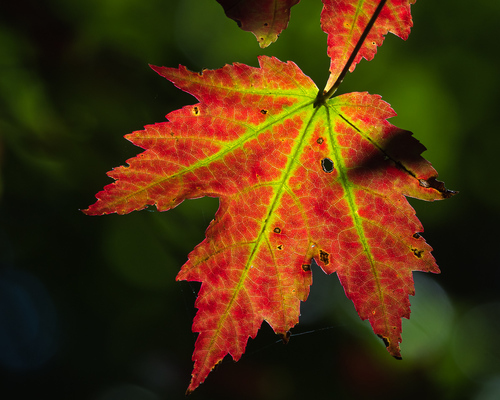
Red maple has one of the largest native ranges of any tree in North America, from Newfoundland down to Florida, which is exactly why its performance varies so much. A tree grown from Florida seed stock planted in New Jersey may never color up well in fall because its genetics are tuned to a warmer climate. If fall color is a priority, buy named cultivars like 'October Glory' or 'Red Sunset' that are specifically selected for color reliability, not just whatever generic red maple is on sale at the nursery.
Where Red Maple Is Found
Red Maple is common in 2106 of the US communities we cover, across 3 climate regions.
... and 2094 more cities
Need Red Maple Care?
Find ISA-certified arborists experienced with Red Maple in your area.
Take the Tree Risk Quiz