Red Alder
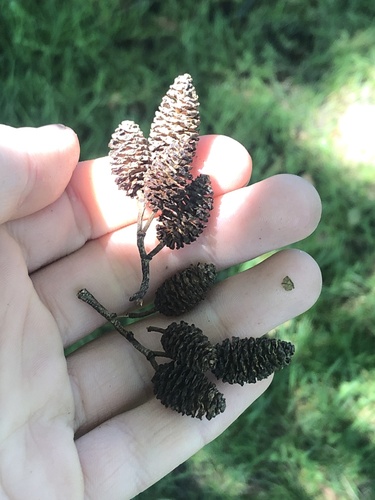
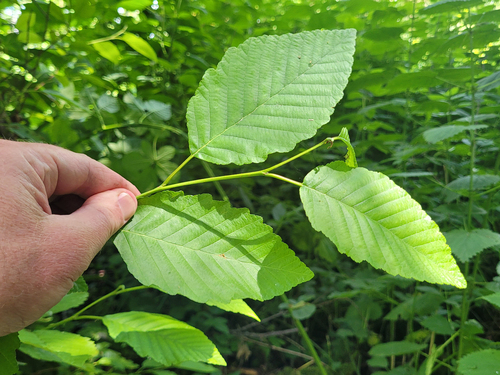
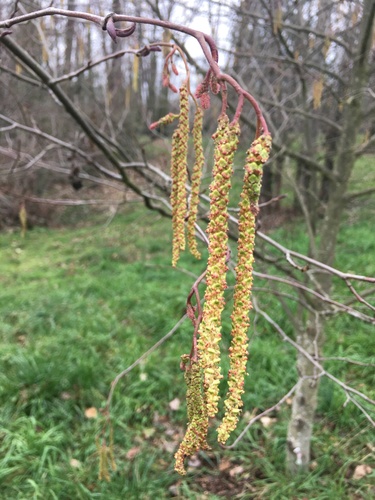
50 to 70 years in most conditions, occasionally reaching 100 years in ideal riparian sites. This is a short-lived tree by any standard, and if you have a large one that is 40 or more years old, it is worth having an arborist look at the structure.
Typically 40 to 60 feet tall with a spread of 20 to 30 feet, though trees on stream banks with consistent moisture can push 80 feet. Growth of 3 to 5 feet per year when young is common.
Care & Maintenance
Red alder is not a tree that needs your help. It fixes its own nitrogen through bacteria in root nodules, so fertilizing it is pointless and can actually push weak, sappy growth that invites pests. It wants moist to wet soil and full sun, and it is genuinely drought-sensitive, so if you're in a drier spot or have been in a dry summer, watch for early leaf drop as a stress signal.
Common Issues & Threats
- Western tent caterpillar (Malacosoma californicum): These build the silky web tents you'll see in branch forks every few years. A heavy infestation can strip a tree of its leaves by late spring. One defoliation rarely kills a healthy alder, but repeated years in a row weaken it significantly.
- Alder bark beetle (Alniphagus aspericollis): This is the one that actually kills trees. It targets stressed or wounded alders and bores under the bark, leaving behind S-shaped galleries. If you see fine sawdust at the base or small round exit holes in the bark, the tree is already in serious trouble.
- Heart rot from pruning wounds: Alders do not seal wounds well. A poorly timed or oversized cut invites Phellinus and other wood-decay fungi into the heartwood, and once that starts, it's permanent structural damage. This is the main reason you need to be careful about when and how you cut.
Pruning Guide
Prune in late summer to early fall, after the bark beetles have finished their active season. Pruning in spring or early summer releases volatile compounds that actively attract beetles to fresh wounds, which is the opposite of what you want. Keep cuts small and clean, and avoid removing large limbs if at all possible since alders compartmentalize decay poorly.
Did You Know?
Most people think nitrogen-fixing trees are a bonus for everything growing nearby, and with red alder that's actually true. Studies in the Pacific Northwest show that conifers planted near alders grow measurably faster because of the nitrogen those root nodules pump into the soil. The other thing that surprises homeowners is the wood, which starts out almost white and oxidizes to a warm orange-red within hours of being cut, which is why it's been used for centuries to smoke Pacific salmon.
Where Red Alder Is Found
Red Alder is common in 345 of the US communities we cover, across 1 climate regions.
... and 333 more cities
Need Red Alder Care?
Find ISA-certified arborists experienced with Red Alder in your area.
Take the Tree Risk Quiz