Ponderosa Pine
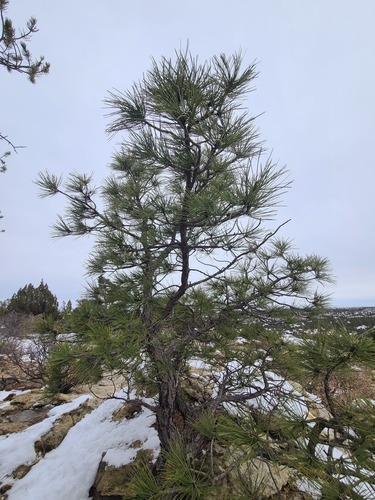
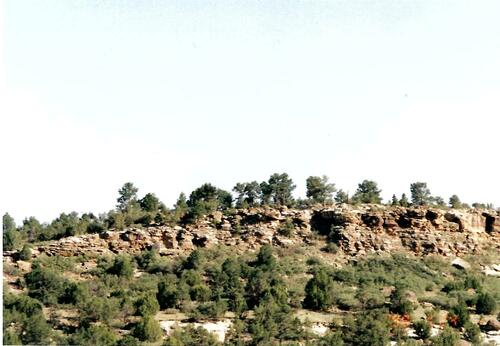
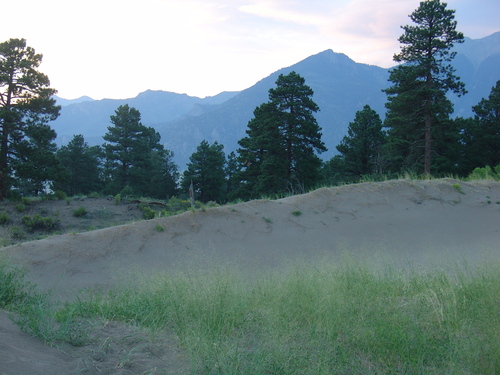
Ponderosa pines regularly live 300 to 500 years in undisturbed settings, with some individuals exceeding 600 years. In a residential landscape with soil compaction, altered drainage, and close proximity to structures, expect a more modest lifespan, though a well-sited tree can still live well over a century.
In native stands, ponderosa pines typically reach 60 to 100 feet tall with a relatively narrow crown spread of 25 to 30 feet. Isolated trees with full sun and no competition can push taller and develop a broader, more open canopy. Either way, this is not a tree for a small lot.
Care & Maintenance
Established ponderosa pines are drought-adapted and do not need supplemental irrigation once rooted, and overwatering is one of the fastest ways to kill one. They want full sun and well-drained, slightly acidic soil. If you're planting one, the first two years matter most for root establishment, so water deeply but infrequently during dry spells and then leave it alone.
Common Issues & Threats
- Mountain pine beetle: This is the big one. The beetle bores under the bark and introduces a blue-stain fungus that cuts off water flow. You'll see small pitch tubes that look like popcorn on the trunk, fading needles turning yellow then red, and fine sawdust at the base. A healthy tree can pitch out a few beetles, but a stressed or drought-weakened tree cannot defend itself. By the time the needles turn red, the tree is already dead.
- Western pine beetle: Similar to mountain pine beetle but targets larger, older trees specifically. It produces a more chaotic gallery pattern under the bark. The risk is the same: dead tree within weeks of successful attack. No spray will save a tree that's already been mass-attacked.
- Dwarf mistletoe (Arceuthobium americanum): This parasitic plant attaches directly to the tree's vascular tissue and steals water and nutrients. You'll notice swollen, distorted branches called witches' brooms. A light infection can be managed by pruning out affected limbs, but a heavily infested tree will decline over years and eventually die. Most people mistake this for a fungal disease, but it's actually a flowering plant.
Pruning Guide
Prune in late fall through early winter when bark beetles are not actively flying, because fresh pine cuts release volatiles that attract them during warm months. Avoid heavy pruning in spring and summer. The main reasons to prune a ponderosa are deadwood removal, clearing limbs away from structures, and thinning the lower crown for fire defensible space, which is a real and practical concern in the Mountain West. Do not over-lift the crown; ponderosas naturally self-prune their lower branches and that process should be respected rather than accelerated too aggressively.
Did You Know?
Here's what most people get wrong: they assume a ponderosa pine showing off a thick, plated orange bark is old, when really that distinctive bark doesn't develop until the tree is roughly 100 to 125 years old. Young ponderosas have dark, scaly bark and barely resemble the mature form. The other thing worth knowing is that ponderosa pines are fire-adapted in a genuine structural way, with thick bark that can survive low-intensity surface fires that would kill most other conifers. In fire-prone areas, they're sometimes a smarter choice than trees that will just become fuel.
Where Ponderosa Pine Is Found
Ponderosa Pine is common in 421 of the US communities we cover, across 1 climate regions.
... and 409 more cities
Need Ponderosa Pine Care?
Find ISA-certified arborists experienced with Ponderosa Pine in your area.
Take the Tree Risk Quiz