Pin Oak
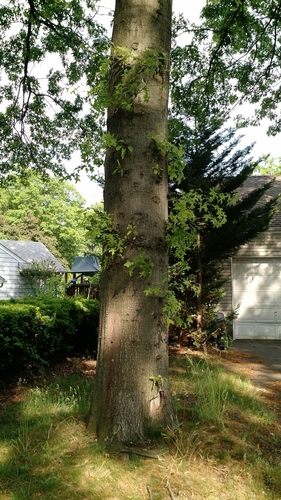
Typically 90 to 120 years, though trees in poor urban soils with chronic iron chlorosis often decline significantly by 50 to 60 years.
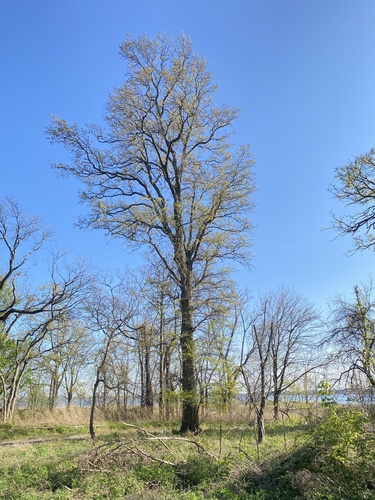
60 to 70 feet tall with a spread of 25 to 40 feet, with a distinctive pyramidal shape when young that becomes more irregular with age.
Care & Maintenance
Pin oak wants full sun and prefers moist, acidic soil, which is where most suburban lots fail it. If your soil pH is above 6.5, this tree will struggle to absorb iron no matter how much you fertilize it. Watering deeply during drought helps, but fixing the soil pH through acidification is the bigger lever if you want a healthy tree long-term.
Common Issues & Threats
- Iron chlorosis: This is the big one. When soil pH is too high, the tree can't take up iron, and the leaves turn yellow with green veins, starting on the newer growth. Most people treat it by adding fertilizer, which does almost nothing. You need to lower the soil pH with sulfur or apply chelated iron directly, and even then it's an ongoing fight if your soil is naturally alkaline.
- Lower branch dieback and retention: Pin oaks hold their dead lower branches for years, a trait called marcescence in the leaves but just plain stubbornness in the wood. Those drooping lower limbs die out over time and become a maintenance and clearance issue, especially over driveways, walkways, and rooflines.
- Oak wilt: While pin oak is somewhat less susceptible than red oak, it is still in the red oak group and can contract Bretziella fagacearum, the fungus that causes oak wilt. Pruning between April and July in the Mid-Atlantic dramatically increases infection risk because the beetles that spread it are most active then.
Pruning Guide
Prune pin oak during dormancy, ideally late November through early March, to minimize oak wilt risk. The lower limbs are the main pruning task over a tree's life, and most homeowners underestimate how many removal cycles that means as the tree matures. Do not top this tree or make large cuts without a good reason, the wounds close slowly and create long-term decay entry points.
Did You Know?
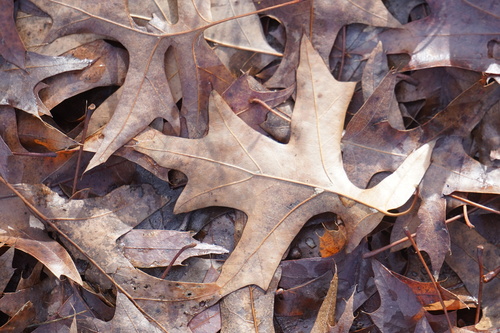
Here is what most people get wrong: they plant pin oak because it grows fast, then spend the next 30 years dealing with problems that a slower-growing white oak or swamp white oak would never have caused. Pin oak also holds its dead leaves through winter, which looks rough and leads homeowners to think the tree is dying when it is actually just being a pin oak.
Where Pin Oak Is Found
Pin Oak is common in 1369 of the US communities we cover, across 1 climate regions.
... and 1357 more cities
Need Pin Oak Care?
Find ISA-certified arborists experienced with Pin Oak in your area.
Take the Tree Risk Quiz