Olive
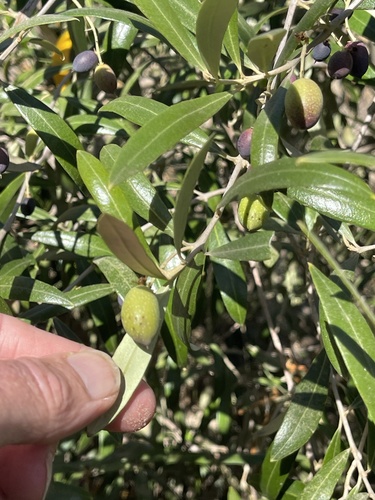
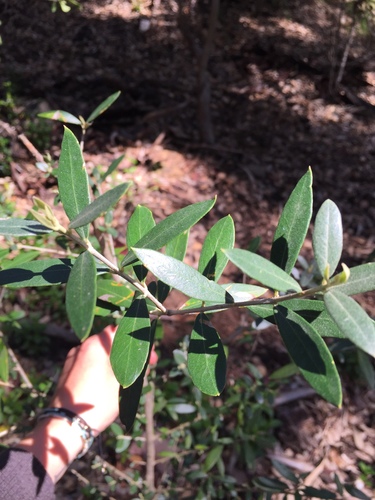
Typically 500 to over 1,000 years under good conditions. Even in suburban landscapes, 200 to 300 years is realistic.
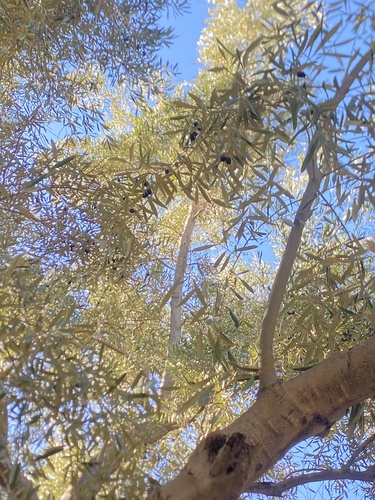
Usually 20 to 30 feet tall with a similar spread, though old specimens in ideal conditions can reach 40 feet. Growth is slow, which is part of why the oldest ones are so massive.
Care & Maintenance
Once established, olives are genuinely drought tolerant and do not need regular irrigation in most Southwest climates. Overwatering is actually one of the fastest ways to kill one. They want full sun, well-draining soil, and very little fertilizer. Heavy nitrogen feeding pushes soft, water-hungry growth that looks wrong on this tree.
Common Issues & Threats
- Olive knot (Pseudomonas savastanoi): A bacterial disease that causes rough, dark galls on branches and twigs. It enters through pruning wounds and storm damage. There is no cure once it's established in a branch, only removal of infected wood with sterilized tools.
- Olive fruit fly (Bactrocera oleae): If your tree produces fruit, this pest tunnels into the olives and ruins them. It's widespread in California and expanding. Spinosad-based sprays and traps help manage it, but dense urban plantings make complete control difficult.
- Verticillium wilt: A soil-borne fungal disease that blocks the tree's vascular system. You'll see branches die back suddenly, often on one side of the tree first. There is no chemical fix. Infected soil stays infected. This is why planting olives where tomatoes, peppers, or other susceptible plants grew is risky.
Pruning Guide
Prune in late spring after any frost risk has passed, which also reduces disease entry points during wet weather. Olives respond well to thinning cuts that open the canopy and show off their structure. What most people get wrong is shearing them into a ball or lollipop shape, which forces dense interior growth, traps moisture, and destroys the natural form these trees are valued for.
Did You Know?
Some olive trees in the Mediterranean are confirmed to be over 2,000 years old and are still producing fruit. Closer to home, the trees planted at California missions in the 1700s are still alive. Your tree, if well sited and not overwatered, could genuinely outlast your house.
Where Olive Is Found
Olive is common in 373 of the US communities we cover, across 2 climate regions.
... and 361 more cities
Need Olive Care?
Find ISA-certified arborists experienced with Olive in your area.
Take the Tree Risk Quiz