Ohia Lehua
Centuries under the right conditions. Individual ohia trees in intact native forest are estimated to live 500 years or more, though trees in degraded or urban settings rarely approach that.
Extremely variable by site and ecotype. Shrubby forms on exposed ridgelines may stay under 3 feet. Rainforest trees commonly reach 50 to 80 feet tall with canopy spreads of 30 to 50 feet. If you are planting one near a structure, know which ecotype you have.
Care & Maintenance
Ohia thrives in well-drained volcanic soils and does not do well with standing water or heavy clay. It prefers full sun to partial shade and is surprisingly drought-tolerant once established, so overwatering is a more common mistake than underwatering. Skip the fertilizer unless you have a soil test showing a specific deficiency, as high-nitrogen fertilizers can push soft growth that stresses the tree.
Common Issues & Threats
- Rapid Ohia Death (ROD): This is the threat you need to understand before anything else. ROD is caused by two fungal pathogens, Ceratocystis lukuohia and C. huliohia, and it kills trees fast, sometimes within weeks of first symptoms. You will see sudden crown wilt and browning of leaves that stay on the branches rather than dropping, which is the key visual tell. There is no cure. Transmission happens through contaminated soil, tools, and water, so cleaning your boots and tools before entering any ohia forest is not optional.
- Root rot from poor drainage: Ohia evolved in porous lava substrate that drains fast. Plant one in a low spot with compacted soil and you are creating ideal conditions for Phytophthora root rot, which looks superficially similar to ROD but progresses more slowly from the roots up.
- Scale insects and sooty mold: Several soft scale species attack ohia, leaving behind honeydew that grows black sooty mold on leaves and branches. It is not usually fatal but indicates the tree is stressed. Address the scale with horticultural oil and look at what is causing the underlying stress.
Pruning Guide
Here is what most people get wrong: ohia does not need or benefit from routine pruning, and every cut you make is a potential entry point for ROD fungal spores. Limit pruning strictly to dead wood removal or genuine safety hazards. If you must prune, sterilize your tools with 70% isopropyl alcohol or a 10% bleach solution between every single cut, and between every tree.
Did You Know?
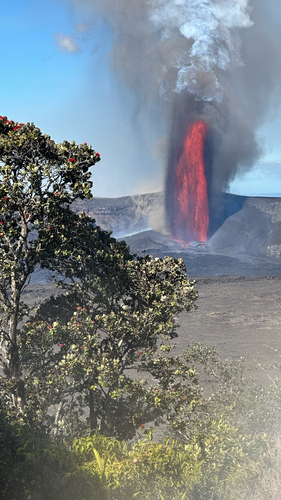
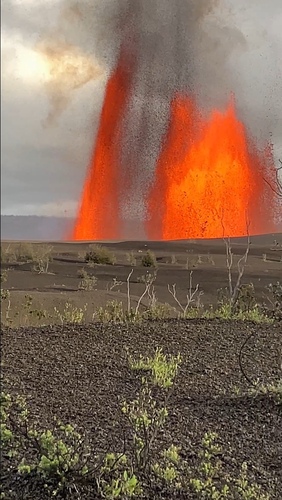
Ohia is a true pioneer species that colonizes bare lava flows before almost any other plant, which means a tree growing on a recent lava field may be rooted in rock with almost no soil at all. The tree and its lehua blossom are central to Hawaiian cosmology and a living cultural artifact, not just a landscape tree, which is part of why ROD is treated as both an ecological and a cultural crisis across the islands.
Where Ohia Lehua Is Found
Ohia Lehua is common in 121 of the US communities we cover, across 1 climate regions.
... and 109 more cities
Need Ohia Lehua Care?
Find ISA-certified arborists experienced with Ohia Lehua in your area.
Take the Tree Risk Quiz