Narrowleaf Cottonwood
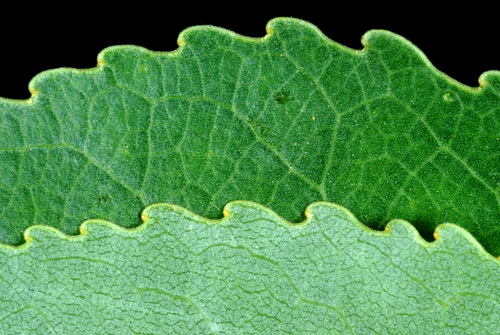
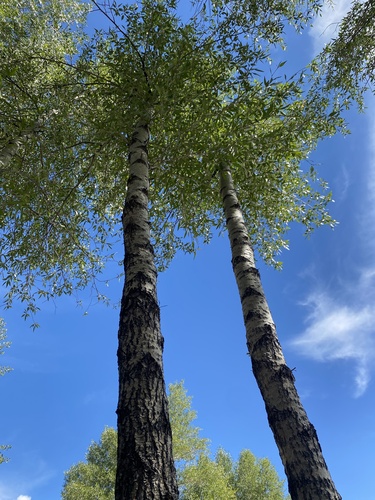
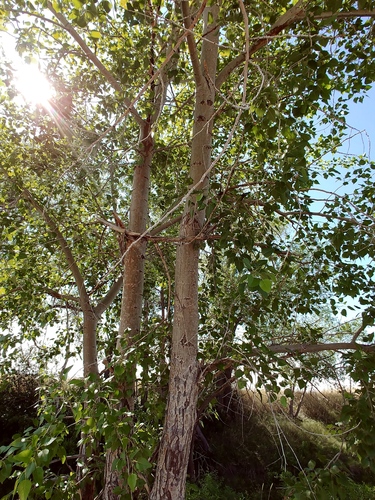
In a natural streamside setting, narrowleaf cottonwoods commonly live 100 to 150 years. In urban or suburban landscapes away from natural water sources, expect 40 to 80 years, with decline often setting in after 50 if irrigation is inconsistent or root space is restricted.
Typically 40 to 60 feet tall with a spread of 20 to 35 feet. Trees growing next to a reliable water source push toward the taller end of that range. In drier landscape conditions with supplemental irrigation, expect a more moderate size.
Care & Maintenance
This tree evolved next to moving water, so it wants consistent soil moisture, especially in its first three years in a landscape setting. In urban yards away from a natural water source, deep watering once a week during the growing season will serve it better than frequent shallow irrigation. It prefers full sun and tolerates a wide range of soils as long as drainage isn't so poor that roots sit in stagnant water. Skip the fertilizer unless a soil test shows a specific deficiency — pushing more growth on a cottonwood just means more weak wood.
Common Issues & Threats
- Poplar borer (Saperda calcarata): This is the one that kills cottonwoods in residential yards. The larvae of this large beetle tunnel through the heartwood, and by the time you see the sawdust-like frass at the base or oval exit holes in the bark, the structural damage is already done. A heavily infested trunk can fail without warning.
- Cytospora canker: A fungal disease that enters through wounds, pruning cuts, or stressed bark and kills branches section by section. You'll see sunken, discolored bark with orange spore pustules oozing out. There's no cure once it's established — management means removing infected wood and keeping the tree out of drought stress.
- Root intrusion into utilities: Narrowleaf cottonwood roots are aggressive and will find every crack in a water or sewer line within 30 to 50 feet of the trunk. If you have an older clay or cast-iron line anywhere near this tree, you will eventually have a plumbing bill. This isn't a maybe.
Pruning Guide
The most important thing to know about pruning cottonwoods is timing: cut them in mid-summer or during dry weather in late fall, not in spring or after rain. Fresh wounds in wet, warm conditions are an open invitation for Cytospora canker spores. Remove dead or crossing branches to reduce failure risk, but avoid heavy pruning — large wounds on cottonwoods rarely close cleanly and become long-term entry points for decay. Never top this tree. A topped cottonwood develops dense, weakly attached regrowth that is far more likely to fail in a wind or ice event than the original structure.
Did You Know?
Most people assume all cottonwoods are the messy, cotton-dropping nuisance they've heard about. Narrowleaf cottonwood produces dramatically less of that cottony seed fluff than its cousin the Plains cottonwood, so if you're planting one intentionally, it's a much tidier choice. What surprises most homeowners is how fast these trees respond to any change in the water table — if a nearby irrigation line breaks or a creek shifts course, a narrowleaf cottonwood will show you within a single growing season through wilting, early leaf drop, or sudden branch dieback.
Where Narrowleaf Cottonwood Is Found
Narrowleaf Cottonwood is common in 421 of the US communities we cover, across 1 climate regions.
... and 409 more cities
Need Narrowleaf Cottonwood Care?
Find ISA-certified arborists experienced with Narrowleaf Cottonwood in your area.
Take the Tree Risk Quiz