Mulberry
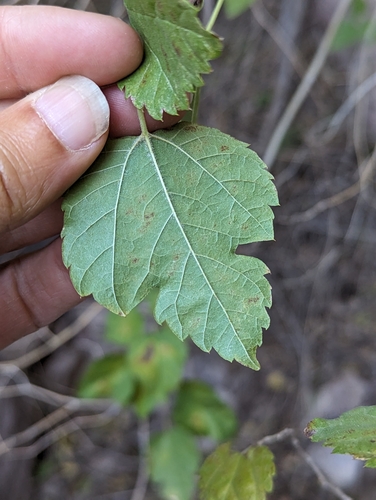
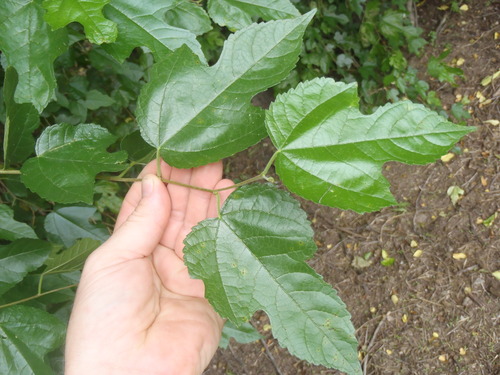
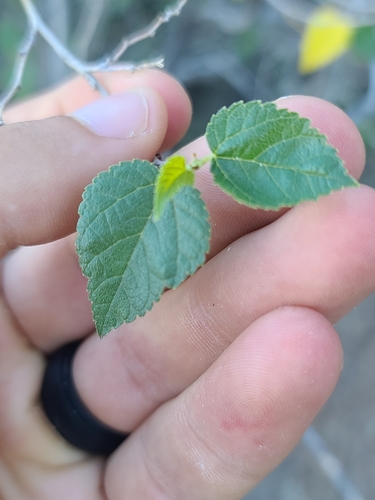
75 to 100 years, though many are removed long before that due to root damage or municipal ordinance.
35 to 50 feet tall with a spread of 35 to 40 feet. In irrigated Southwest landscapes with good soil, it often reaches that size faster than homeowners expect.
⚠ Problem Species
Why it's a problem: Invasive root system, heavy pollen, many cities ban male mulberry plantings
Care & Maintenance
Once established, mulberry is drought-tolerant and needs little supplemental water in the Southwest. It grows in almost any soil, full sun to partial shade, and will thrive where other trees struggle. That toughness is part of the problem: it needs almost no help from you to take over.
Common Issues & Threats
- Root system damage: Mulberry roots are aggressive, shallow, and relentless. They crack sidewalks, invade irrigation lines, and lift foundations. Planting one within 20 feet of hardscape or utilities is a long-term repair bill.
- Male tree pollen: Male mulberry is one of the most significant allergy-triggering trees in the Southwest. Tucson, El Paso, and Albuquerque have all banned new male mulberry plantings because pollen counts spike so severely in spring.
- Berry mess and self-seeding: Female trees drop fruit constantly for 4-6 weeks. The berries stain pavement, attract wasps and rodents, and the seeds sprout everywhere. You will be pulling mulberry seedlings from your garden beds for years.
Pruning Guide
Prune in late winter before new growth starts, or in midsummer if you're trying to reduce the canopy on an established tree. Heavy pruning in fall invites disease and stimulates weak, fast growth. Here's what most people get wrong: they repeatedly cut mulberry back hard, thinking it will slow the tree down, but heavy pruning actually triggers more vigorous regrowth the following season.
Did You Know?
Silk production depended entirely on white mulberry, because silkworms eat almost nothing else. The tree was introduced to North America in the 1600s specifically to start a silk industry, the industry failed, and the trees stayed. The wood is also exceptionally rot-resistant and was historically used for fence posts and boat building.
Where Mulberry Is Found
Mulberry is common in 94 of the US communities we cover, across 1 climate regions.
... and 82 more cities
Need Mulberry Care?
Find ISA-certified arborists experienced with Mulberry in your area.
Take the Tree Risk Quiz