Monterey Pine
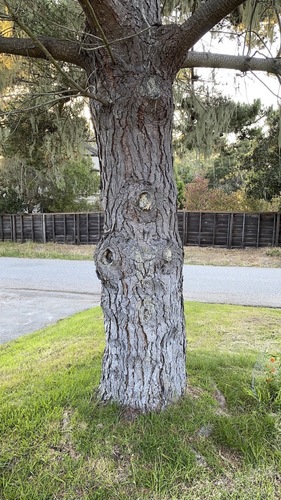
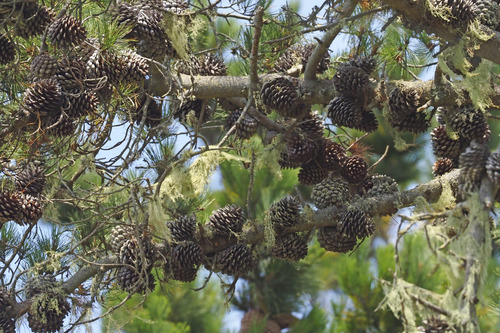
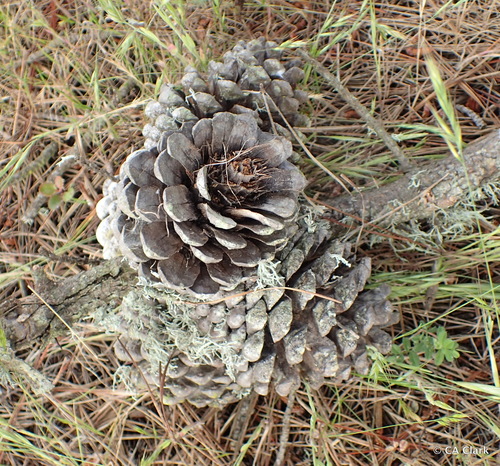
In its native coastal habitat, Monterey Pine can live 80 to 150 years. In Bay Area landscapes, especially with pitch canker pressure and warmer inland temperatures, expect 40 to 80 years at best, and many trees decline well before that.
Typically 60 to 100 feet tall with a spread of 25 to 35 feet in cultivation. In ideal coastal conditions it can push past 100 feet, but landscape trees in the Bay Area usually top out at the lower end of that range.
Care & Maintenance
Monterey Pine evolved in coastal fog and cool summers, so it struggles badly when planted inland where summer heat is intense. It prefers well-drained, slightly acidic soil and does not need fertilizing once established. Overwatering is a real problem, especially in the heavy clay soils common in parts of the Bay Area.
Common Issues & Threats
- Pitch canker (Fusarium circinatum): This is the defining problem for Bay Area Monterey Pines. The fungus infects branches and the main stem, causing resin-soaked dead tissue and dying branch tips called flagging. There is no cure, and a heavily infected tree is a decline situation, not a recovery situation.
- Western pine bark beetle (Dendroctonus brevicomis): Bark beetles target stressed trees and can kill a Monterey Pine quickly. Signs include pitch tubes that look like small blobs of resin on the bark and reddish boring dust in bark crevices. A beetle attack is usually a symptom of an already-weakened tree, not the original cause of decline.
- Pine pitch moth (Synanthedon sequoiae): The larvae of this clearwing moth tunnel under the bark at branch unions and wounds, creating large masses of pitch mixed with frass. It looks alarming but is rarely fatal on its own. Pruning wounds and mechanical injuries are the entry points, so clean cuts matter.
Pruning Guide
Do not prune Monterey Pine between May and October in the Bay Area. That is peak flight season for western pine bark beetles, and fresh cuts attract them directly. Prune in winter when beetles are not active and seal major wounds immediately. Avoid topping or heavy lion-tailing, which stresses the tree and creates exactly the conditions bark beetles and pitch canker exploit.
Did You Know?
Most people are surprised to learn that Monterey Pine has one of the smallest native ranges of any pine in the world, restricted to three coastal groves in California, yet it is the most widely planted timber tree on the planet, with plantations covering millions of acres in New Zealand and Chile. The other thing worth knowing: pitch canker pressure in the Bay Area is so pervasive that many mature specimens you see today are already infected and slowly declining, even if they look mostly healthy from the street.
Where Monterey Pine Is Found
Monterey Pine is common in 279 of the US communities we cover, across 1 climate regions.
... and 267 more cities
Need Monterey Pine Care?
Find ISA-certified arborists experienced with Monterey Pine in your area.
Take the Tree Risk Quiz