Monterey Cypress
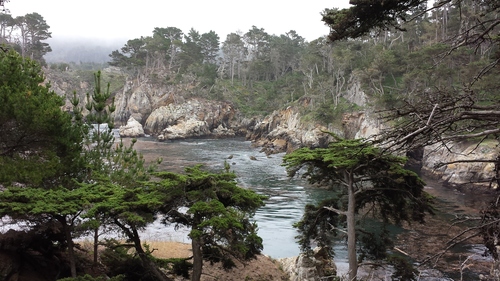
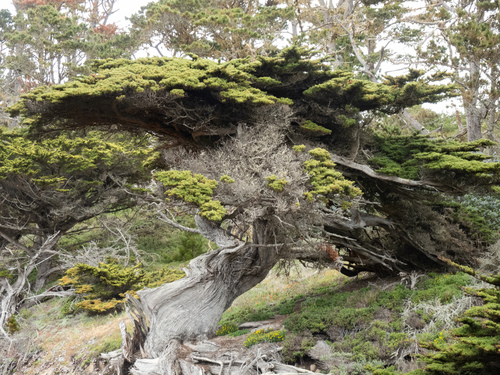
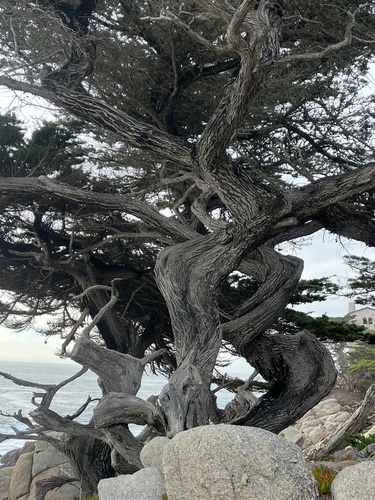
In ideal coastal conditions with consistent fog and no serious disease pressure, Monterey Cypress can live 200 to 300 years or more. Inland specimens in hotter, drier sites typically live far shorter lives, often 80 to 120 years, because of increased stress and canker susceptibility.
Coastal specimens commonly reach 60 to 80 feet tall with a spread that can exceed 50 feet in older wind-trained trees. Inland trees in sheltered sites can push past 100 feet with a more columnar form and a narrower spread of 20 to 30 feet. Either way, this is not a tree for a small yard.
Care & Maintenance
This tree evolved on the fog-drenched Monterey Peninsula, so it genuinely thrives on neglect once established. It prefers full sun and well-drained soil and is highly drought-tolerant after the first couple of years. Fertilizing is unnecessary and can actually push lush growth that is more vulnerable to cypress canker. If you have heavy clay and standing water after rain, that is a problem worth solving before you plant.
Common Issues & Threats
- Cypress canker (Seiridium cardinale): This fungal disease is the single biggest threat to your tree. Look for elongated, sunken, reddish-brown lesions on branches and stems with resin seeping out. Entire limbs die back above the canker, giving the tree a flagged, scorched appearance. There is no cure, only removal of infected wood with clean tools and dry-weather pruning to avoid spreading spores.
- Monterey cypress bark beetle (Phloeosinus cristatus): These small beetles target stressed or dying trees and can accelerate decline in a tree already weakened by canker or drought. You will see tiny entrance holes in the bark and fine reddish sawdust called frass. A healthy, well-sited tree resists them, but a struggling one is vulnerable.
- Wind throw: Most people assume that because these trees are wind-tolerant, they are wind-proof. That is wrong. A very large, older specimen with a compromised root zone or a history of poor pruning can fail in a major storm. If your tree has significant deadwood in the upper canopy and is near a structure, get a professional assessment.
Pruning Guide
The most important rule: never prune into old, brown wood. Monterey Cypress does not regenerate from bare wood the way a deciduous tree does, and heavy cuts into the interior leave you with permanent dead stubs. Remove dead and diseased branches back to healthy tissue, and only prune during dry weather to reduce the chance of spreading cypress canker spores. For large specimens near structures, focus on deadwood removal and light crown-thinning rather than dramatic shaping.
Did You Know?
The entire native range of this species is just two small groves on the Monterey Peninsula, covering a few dozen acres total. Every Monterey Cypress growing in gardens, parks, and windbreaks from San Francisco to Marin is descended from those wild remnants. The famous wind-swept shape is not a genetic trait but a physical response to constant prevailing winds, which means a tree grown in a sheltered location will look completely different.
Where Monterey Cypress Is Found
Monterey Cypress is common in 279 of the US communities we cover, across 1 climate regions.
... and 267 more cities
Need Monterey Cypress Care?
Find ISA-certified arborists experienced with Monterey Cypress in your area.
Take the Tree Risk Quiz