Monkeypod
100 to 200+ years under favorable conditions. Trees in Hawaii's lowland areas regularly exceed a century and show few signs of decline.
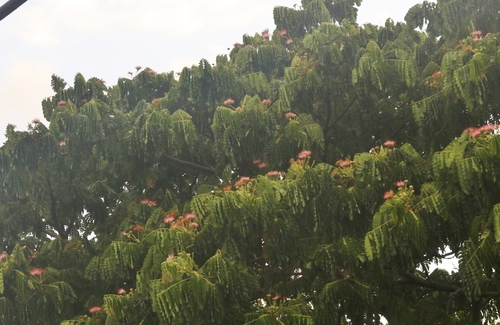
50 to 80 feet tall with a canopy spread that routinely reaches 80 to 100 feet. The spread is the number that matters most. People consistently underestimate how much horizontal space this tree claims over time.
Care & Maintenance
Established monkeypods are drought-tolerant and need little supplemental irrigation once they've been in the ground for several years. They prefer full sun and well-drained soil but are adaptable across most Hawaiian lowland conditions. Fertilizing is rarely necessary on healthy specimens growing in native soil. Overwatering young trees encourages fast, weak growth that causes structural problems later.
Common Issues & Threats
- Giant Mimosa Webworm (Homadaula anisocentra): This caterpillar is the most common pest you'll see. It spins silky webs across branch tips and skeletonizes the foliage inside them. A heavy infestation can strip large portions of the canopy. The tree usually recovers, but repeated years of defoliation weaken it.
- Branch failure: The massive lateral limbs on mature trees are under constant gravitational stress. Codominant stems and included bark at major branch unions are structural time bombs. Most people don't notice until a 2,000-pound limb comes down in a storm.
- Root damage to hardscape: The root system is aggressive and shallow. Sidewalks, driveways, and foundations within 20-30 feet of a mature trunk are at real risk of heaving and cracking. This is the issue that most often forces removal of otherwise healthy trees.
Pruning Guide
The most important pruning window is when the tree is young, before branch unions become thick and permanent. Structural pruning to establish one dominant leader and well-spaced scaffold branches in the first 10 years prevents the worst failure risks later. On mature trees, hire a certified arborist to assess weight reduction on heavy lateral limbs rather than just cutting back tips, which stimulates weak regrowth and doesn't solve the load problem.
Did You Know?
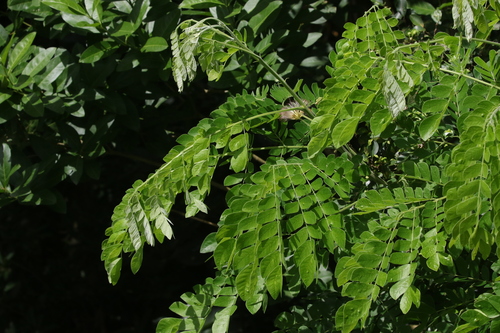
Most people don't know that the leaves actually fold up before rain, which is how the tree earned its other common name, Rain Tree. Hawaiian koa woodworkers also prize monkeypod almost as much as koa itself, and a mature tree's wood can be worth thousands of dollars in lumber, which is worth knowing if you ever face a removal decision.
Where Monkeypod Is Found
Monkeypod is common in 121 of the US communities we cover, across 1 climate regions.
... and 109 more cities
Need Monkeypod Care?
Find ISA-certified arborists experienced with Monkeypod in your area.
Take the Tree Risk Quiz