Mango
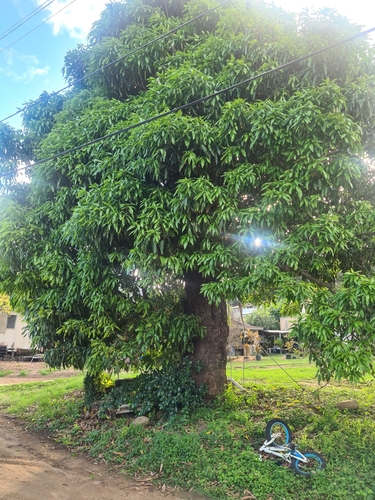
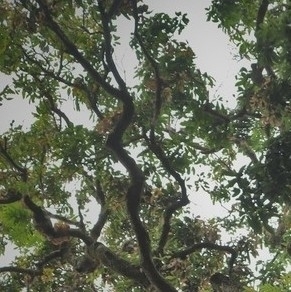
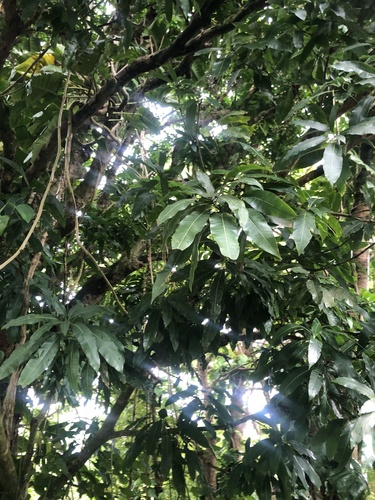
100 to 300 years under good conditions. Productivity often continues well past the 100-year mark, which is unusual for a fruit tree.
Without pruning, expect 30 to 40 feet tall with a canopy spread of 30 to 35 feet. In Hawaii's climate, some older unmanaged trees push past that considerably.
Care & Maintenance
Mango thrives in full sun and well-drained soil. It's drought-tolerant once established, but young trees need regular watering until the root system is fully set, typically two to three years. Go easy on nitrogen fertilizers once the tree is mature. Too much nitrogen pushes leafy growth at the expense of fruit, and it can make the tree more vulnerable to fungal disease.
Common Issues & Threats
- Anthracnose (Colletotrichum gloeosporioides): This is the number-one mango problem in Hawaii. It shows up as black spots on flowers, fruit, and young leaves, and it's driven by wet, humid conditions during flowering. Most homeowners blame bad fruit when they're actually looking at a fungal infection that killed the flowers before they could set.
- Mango seed weevil (Sternochetus mangiferae): This pest is quarantine-regulated in Hawaii. The adult weevil lays eggs in young fruit, and the larvae tunnel into the seed. Fruit looks normal from the outside until you cut it open. If you're finding hollowed-out or grub-damaged seeds, this is almost certainly why.
- Urushiol contact dermatitis: The sap in mango skin, leaves, and especially the stem end of the fruit contains urushiol, the same compound in poison ivy. People who are sensitive to poison ivy can have serious skin reactions when handling ripe fruit or doing any pruning work. This is not a minor concern. If you've ever had a bad reaction to poison ivy, wear gloves and long sleeves around this tree, especially during pruning or harvest.
Pruning Guide
Prune right after harvest, before the tree starts pushing new growth for the next season. The goal is to open up the canopy so light and air can penetrate, which directly reduces anthracnose pressure. Most people make the mistake of never pruning their mango at all, and then they end up with a 40-foot tree that drops fruit on the roof and can't be sprayed or harvested safely. Keeping the tree under 15 feet with regular tipping cuts is a reasonable strategy for a residential yard.
Did You Know?
Here's what most people get wrong: they think the mango is one tree. Many older Hawaii properties have multiple mango varieties grafted or planted close together over the decades, which is why fruit quality and ripening time can vary dramatically from tree to tree in the same yard. Also, a healthy mango tree can live well over 100 years and still produce fruit, which means the tree in your yard may have been planted before your house was built.
Where Mango Is Found
Mango is common in 121 of the US communities we cover, across 1 climate regions.
... and 109 more cities
Need Mango Care?
Find ISA-certified arborists experienced with Mango in your area.
Take the Tree Risk Quiz