London Plane
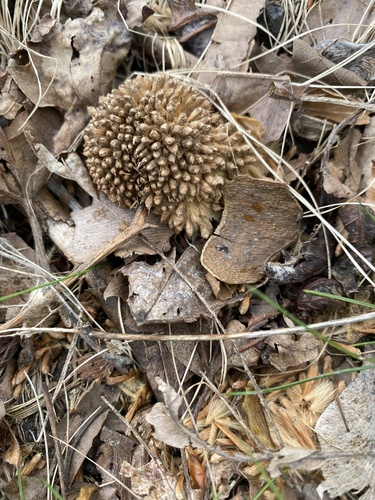
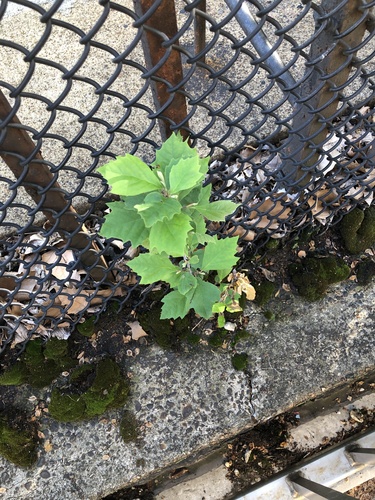
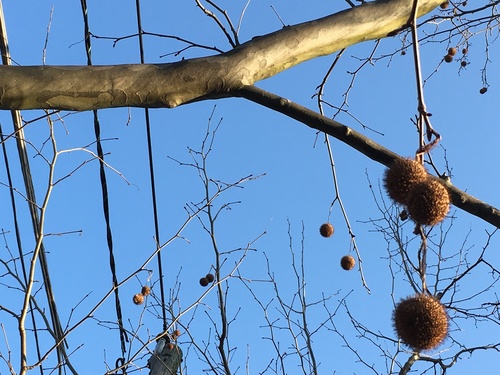
200 to 400+ years under good conditions; urban street specimens often live 100 to 150 years due to soil compaction and infrastructure conflict
70 to 100 feet tall with a spread of 60 to 80 feet; give it room, because a mature specimen is genuinely large and the root system will find every crack in nearby pavement and irrigation lines
Care & Maintenance
This tree is genuinely tough once established and tolerates compacted, poorly drained urban soil better than almost any other large shade tree. Water young trees deeply through the first two summers, then largely leave them alone. It wants full sun and has no meaningful fertilizer requirement unless a soil test shows a specific deficiency.
Common Issues & Threats
- Sycamore anthracnose (Apiognomonia veneta): This is the one that worries people most. In cool, wet Bay Area or Northeast springs, this fungus causes brown, blighted leaves and shoots to die back by the hundreds. The tree looks dead by June. Most people assume they're losing the tree, but healthy London planes typically releaf by midsummer. Repeated severe infections over many years can weaken a tree, but a single bad spring is not a death sentence.
- Sycamore lace bug (Corythucha ciliata): These tiny insects feed on the undersides of leaves, leaving the upper surface stippled gray-bronze and washed out by late summer. It looks like drought stress, which is why most homeowners miss it. Heavy infestations won't kill a large tree but do stress it and make it look rough.
- Bacterial leaf scorch (Xylella fastidiosa): More common in the Mid-Atlantic than California, this one is serious. Leaf margins turn brown and scorched-looking starting in midsummer, progressing inward. It's spread by leafhoppers and has no cure. A confirmed diagnosis on a valuable specimen is worth a conversation with a certified arborist about long-term management options and whether removal makes sense.
Pruning Guide
Here is what most people get wrong: they see 'pollarded' London planes in European cities, the knobby-fisted ones cut back to stubs every year, and assume that is normal or even good. That style only works if you start it when the tree is young and commit to it every single year without interruption. Stopping mid-way creates massive, weakly attached co-dominant stems that are a structural liability. For trees in a typical American yard, prune in late winter before bud break to remove dead wood, crossed branches, and anything crowding the canopy. Avoid heavy cuts in summer.
Did You Know?
The peeling bark is not just aesthetic. The tree sheds pollution particles and particulates right along with the outer bark, which is part of why it survives in cities where other species fail. London planes have been reliably dated at over 300 years old in European cities, and some estimates go considerably older, meaning the tree you plant today could still be standing in the 2300s.
Where London Plane Is Found
London Plane is common in 1648 of the US communities we cover, across 2 climate regions.
... and 1636 more cities
Need London Plane Care?
Find ISA-certified arborists experienced with London Plane in your area.
Take the Tree Risk Quiz