Japanese Tree Lilac
30 to 50 years under good conditions, which is shorter than many shade trees but respectable for an ornamental of this size.
Typically 20 to 25 feet tall with a spread of 15 to 20 feet. It stays well within bounds for most residential lots and rarely needs aggressive pruning to keep it in scale.
Care & Maintenance
Once established, this tree is genuinely low-maintenance and handles clay soils better than most ornamentals. It prefers full sun and will produce far fewer flowers in part shade. Skip the fertilizer unless your soil is truly poor. Overfeeding pushes leafy growth at the expense of blooms.
Common Issues & Threats
- Lilac borer (Podosesia syringae): The larvae of this clearwing moth tunnel into the wood and cause branch dieback and sawdust-like frass at entry holes. Watch for wilting branches in mid-summer. It's the most serious threat this tree faces.
- Oystershell scale: These armored insects attach to bark and drain sap. A heavy infestation looks like grayish crust on branches. Dormant oil applied in early spring before bud break is your most effective control.
- Verticillium wilt: This soil-borne fungus causes sudden branch dieback, often on one side of the tree first. There is no cure. If you lose a tree to it, avoid replanting a susceptible species in the same spot.
Pruning Guide
Japanese Tree Lilac blooms on old wood, meaning the flower buds are set the previous summer. If you prune in fall or spring, you are cutting off this year's flowers. Prune immediately after flowering in late June or early July if you need to shape it. Remove dead or crossing branches any time.
Did You Know?
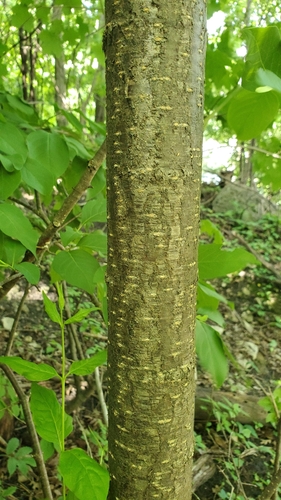
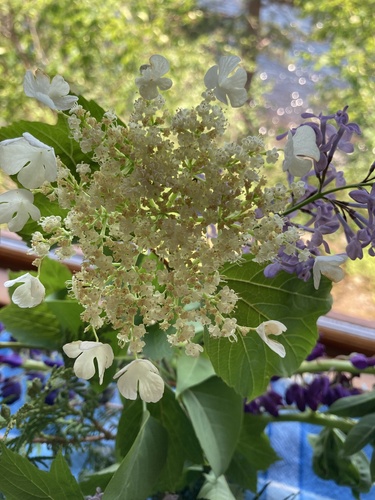
Here's what most people get wrong: they expect the flowers to smell like a classic lilac bush. They don't. The scent is closer to privet, which some people love and others find overwhelming or unpleasant. If fragrance is the reason you want this tree, smell it in person before you plant one near a patio or window. The other thing worth knowing is that the bark is genuinely ornamental year-round. Even in January, the shiny cherry-like bark with horizontal lenticels gives the tree real presence.
Where Japanese Tree Lilac Is Found
Japanese Tree Lilac is common in 308 of the US communities we cover, across 1 climate regions.
... and 296 more cities
Need Japanese Tree Lilac Care?
Find ISA-certified arborists experienced with Japanese Tree Lilac in your area.
Take the Tree Risk Quiz