Italian Stone Pine
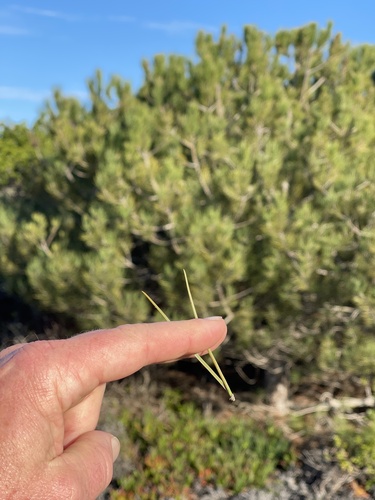
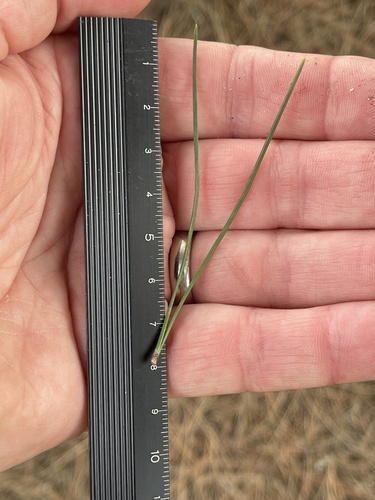
Typically 50 to 150 years in cultivation, though specimens in native Mediterranean habitat regularly exceed 300 to 500 years.
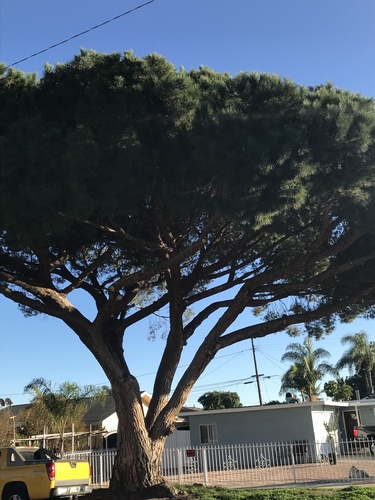
40 to 80 feet tall with a canopy spread of 40 to 60 feet at full maturity. Plan for the spread more than the height — that horizontal canopy is what defines the tree and what causes problems if planted too close to structures.
Care & Maintenance
Once established, this tree is highly drought tolerant and actually does better with less water than most homeowners give it. Deep, infrequent watering every 2 to 3 weeks in summer is ideal — frequent shallow irrigation encourages root rot and destabilizes the tree. It wants full sun and well-drained soil; if your yard holds water after rain, this is not the right tree for that spot.
Common Issues & Threats
- Pine pitch canker (Fusarium circinatum): A fungal disease that causes branch dieback and oozing resin around wounds. It spreads through pruning tools and bark beetles, and there is no cure — management means removing infected branches promptly with sterilized tools and keeping the tree as stress-free as possible.
- Western pine beetle and Ips bark beetles: These beetles target trees already weakened by drought, root damage, or disease. The first sign is usually pitch tubes — small, popcorn-like resin blobs on the bark — or yellowing needles in isolated sections of the canopy. A healthy, well-watered tree can usually fight them off; a stressed one cannot.
- Falling cones and limb failure: The cones are heavy, up to 5 pounds each, and the canopy spreads wide over time. That spreading structure puts enormous leverage on the main branch unions, and in high wind events those unions can fail. If your tree is near a structure, a patio, or a car, get an arborist to assess the branch architecture before it becomes a liability.
Pruning Guide
Prune in late fall or winter when bark beetles are least active — summer pruning wounds are like a welcome sign for them. The most important thing to avoid is lion-tailing, which is stripping interior foliage and leaving weight only at the branch tips. Most people get this wrong: they think opening up the canopy reduces wind resistance, but it actually increases leverage and makes limb failure more likely, not less.
Did You Know?
Those pine nuts in your pesto come from this exact species — the cones take three years to mature and the seeds inside are the commercial pignoli nut. Some Italian Stone Pines in Europe are documented at over 500 years old, which means the tree in your yard could outlive your house if it stays healthy.
Where Italian Stone Pine Is Found
Italian Stone Pine is common in 388 of the US communities we cover, across 1 climate regions.
... and 376 more cities
Need Italian Stone Pine Care?
Find ISA-certified arborists experienced with Italian Stone Pine in your area.
Take the Tree Risk Quiz