Green Ash
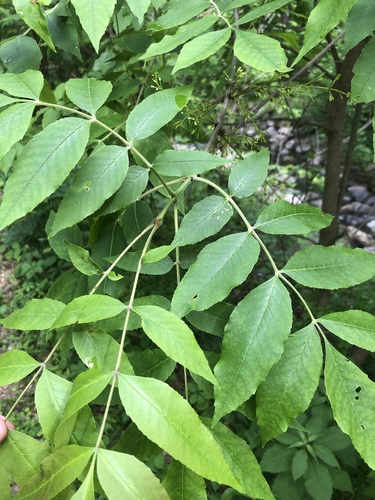
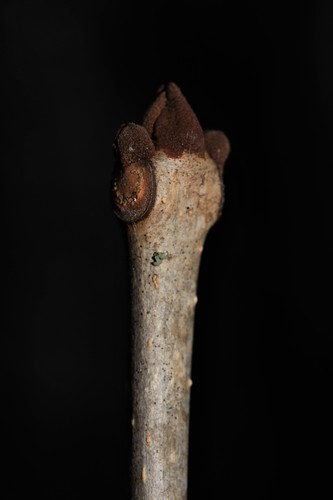
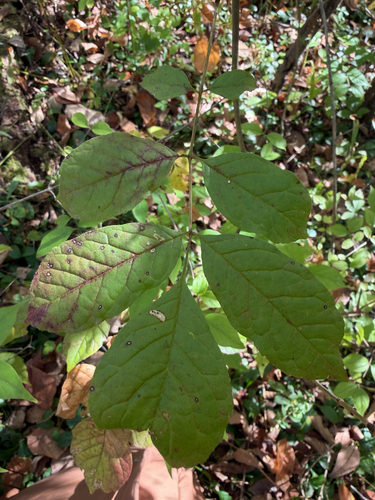
Green ash can live 120 to 200 years under good conditions. In urban landscapes with compacted soil and limited root space, realistic lifespan is more like 30 to 80 years. In areas where EAB has arrived, an untreated tree's realistic lifespan drops to 3 to 5 years from first infestation.
Green ash typically reaches 50 to 60 feet tall with a spread of 25 to 40 feet. In open sites with consistent moisture, the larger end of that range is realistic.
Care & Maintenance
Established green ash is drought-tolerant by Mountain West standards, but deep, infrequent watering during dry stretches keeps it healthier and better able to fight off stress. It wants full sun and handles heavy clay and alkaline soils without complaint. Here is what most people get wrong: fertilizing an ash tree is usually unnecessary and often counterproductive, since pushing fast, lush growth increases the volatile compounds that attract emerald ash borer adults.
Common Issues & Threats
- Emerald ash borer (EAB): This is the only issue that truly matters right now. EAB is an invasive beetle from Asia that kills virtually every untreated ash within 3 to 5 years of infestation. Watch for D-shaped exit holes in the bark, S-shaped feeding galleries visible when you scrape away a small section of bark, dieback starting at the top of the canopy, and woodpeckers actively stripping the bark searching for larvae underneath.
- Ash flower gall: If you see strange, lumpy, cauliflower-like growths clustered on the branches in spring, that is ash flower gall caused by microscopic eriophyid mites. It looks alarming and homeowners frequently mistake it for a disease, but it does not kill the tree. No treatment is effective or necessary.
- Ash anthracnose: In cool, wet springs, this fungal disease causes irregular brown blotches on leaves and early drop. It looks worse than it is on an otherwise healthy tree, but it adds stress load on a tree already dealing with EAB pressure, and repeated defoliation will accelerate decline.
Pruning Guide
Do not prune green ash between May and August. EAB adults are flying during those months, and fresh pruning wounds release volatile compounds that attract beetles looking for a place to lay eggs. Late fall through early spring is your window. Standard cuts to the branch collar apply, and green ash compartmentalizes wounds reasonably well as long as you are not leaving stubs.
Did You Know?
Green ash was one of the top five most planted street trees in America for much of the 20th century, which is precisely why EAB has been so devastating. We planted the same tree everywhere, and a single pest found an unlimited buffet. The wood is exceptionally strong and flexible, which is why ash species have been the traditional choice for baseball bats, tool handles, and canoe paddles.
Where Green Ash Is Found
Green Ash is common in 421 of the US communities we cover, across 1 climate regions.
... and 409 more cities
Need Green Ash Care?
Find ISA-certified arborists experienced with Green Ash in your area.
Take the Tree Risk Quiz