Ficus nitida
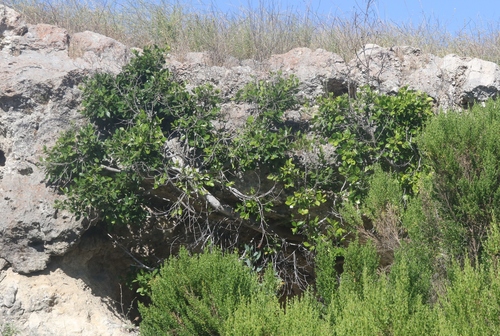
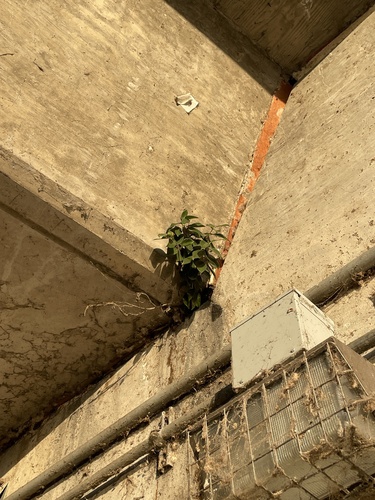
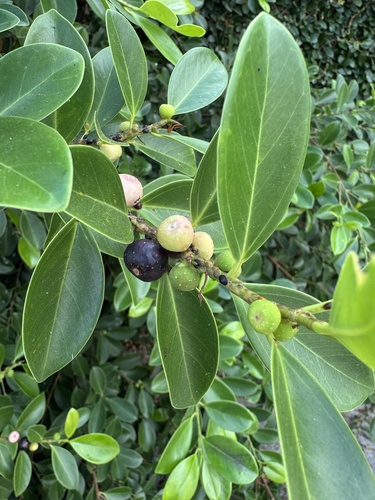
50 to 100 years under ideal conditions, though the aggressive root system frequently forces removal decades before the tree reaches old age, especially in urban settings with nearby infrastructure.
25 to 35 feet tall with a canopy spread of 20 to 35 feet, though columnar selections can be kept somewhat narrower. Without regular pruning, the canopy fills in densely enough to block light completely beneath it.
⚠ Problem Species
Why it's a problem: Roots destroy sidewalks, foundations, sewer lines - #1 cause of hardscape damage in AZ
Care & Maintenance
Once established, water deeply and infrequently rather than running a drip every day. In Phoenix summers, that means 30 to 50 gallons every two to three weeks for a mature tree. It thrives in full sun and tolerates alkaline desert soils without complaint. Skip heavy nitrogen fertilizer because feeding this tree only pushes the root and canopy growth that causes the problems it is already known for.
Common Issues & Threats
- Cuban laurel thrips (Gynaikothrips ficorum): These insects fold young leaves and live inside them, causing distorted, blackened new growth at the branch tips. If your tree looks like its new leaves are singed or stuck together, thrips are almost certainly the cause.
- Fig whitefly (Singhiella simplex): A serious pest that coats the undersides of leaves with white waxy deposits and causes rapid yellowing and defoliation. A heavy infestation can strip a tree of most of its leaves in a single season.
- Root destruction of hardscape and utilities: The roots of this tree actively pursue moisture and will lift sidewalks, crack foundations, and grow directly into sewer and irrigation lines. This is not a risk, it is a timeline. If a Ficus nitida is planted within 10 to 15 feet of any infrastructure, damage is not a matter of if but when.
Pruning Guide
Prune in late winter just before the spring growth flush, or in midsummer if you are managing size. Here is what most people get wrong: hard, heavy pruning actually makes root problems worse because the tree responds to stress by pushing more root growth in search of resources. Never remove more than 20 to 25 percent of the canopy in a single session, and if you are shearing this tree into a hedge or cube to keep it small, understand that you are fighting a tree that can grow six feet in a season.
Did You Know?
Ficus nitida belongs to the same genus as the edible fig and the fiddle-leaf fig sitting in your living room, and in tropical climates it produces small, inedible figs that coat the ground beneath the canopy. In high-humidity environments, this species develops aerial roots that hang from branches and eventually root into the ground, creating the massive multi-trunked structures you see in photos from Southeast Asia and South Florida.
Where Ficus nitida Is Found
Ficus nitida is common in 94 of the US communities we cover, across 1 climate regions.
... and 82 more cities
Need Ficus nitida Care?
Find ISA-certified arborists experienced with Ficus nitida in your area.
Take the Tree Risk Quiz