Ficus


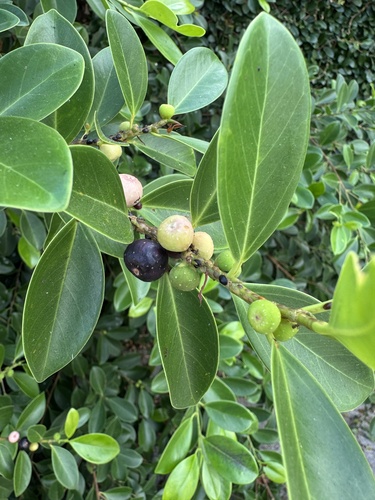
100 to 150 years in favorable conditions, though most urban specimens get removed within 40 to 60 years due to infrastructure conflicts.
40 to 60 feet tall with an equal or greater spread. In ideal conditions with no pruning, some specimens exceed 70 feet. The canopy can cast shade over a 3,000 square foot area.
Care & Maintenance
Ficus is drought-tolerant once established but will push roots hard toward any water source, including your irrigation lines and sewer pipes. It prefers full sun and well-drained soil, though in practice it will grow in almost anything. Fertilizing an established ficus in a landscape setting is rarely necessary and will only accelerate root spread.
Common Issues & Threats
- Root infrastructure damage: This is the defining problem. Ficus roots have been documented traveling 50 feet or more to reach water, and they will lift concrete, crack foundation slabs, and collapse clay sewer pipes. If you have a ficus within 30 feet of your house, septic system, or main water line, get a camera inspection of your pipes before you dismiss this as a distant concern.
- Cuban laurel thrips (Gynaikothrips ficorum): These tiny insects cause leaves to fold and fuse into tight, rolled galls along new growth. It looks alarming but is rarely fatal. Heavy infestations make the tree look ratty and stressed, and treatment with systemic insecticides works but needs repeating because thrips populations rebound fast.
- Phytophthora root rot: Overwatering or poor drainage kills ficus roots from the bottom up. You'll notice canopy thinning and branch dieback before you realize what's happening below ground. By the time it's visible above grade, root loss is often already significant.
Pruning Guide
Ficus tolerates heavy pruning and can be cut back hard without dying, but the moment you start topping it, you trigger aggressive regrowth that makes the canopy denser and more top-heavy than before. Prune in late winter or early spring before the main flush of growth, removing crossing branches and thinning the interior canopy rather than cutting back the ends. If someone is recommending you 'hat rack' or flat-top your ficus to control its size, that is the wrong approach.
Did You Know?
Here is what most people get wrong: they assume keeping a ficus well-watered will prevent it from seeking out pipes. It won't. Roots follow oxygen and moisture gradients, and a hairline crack in a clay pipe is more attractive to a ficus root than almost anything you can do in your yard. Also worth knowing: Ficus microcarpa produces small red figs that are technically edible but require a specific wasp species to pollinate, and since that wasp isn't established in the U.S., the trees here rarely produce viable seed. They spread almost entirely through deliberate planting.
Where Ficus Is Found
Ficus is common in 482 of the US communities we cover, across 2 climate regions.
... and 470 more cities
Need Ficus Care?
Find ISA-certified arborists experienced with Ficus in your area.
Take the Tree Risk Quiz