Crepe Myrtle
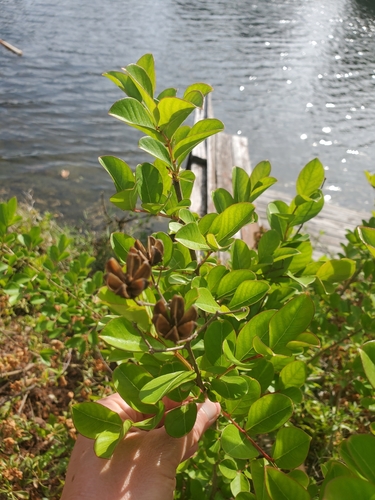
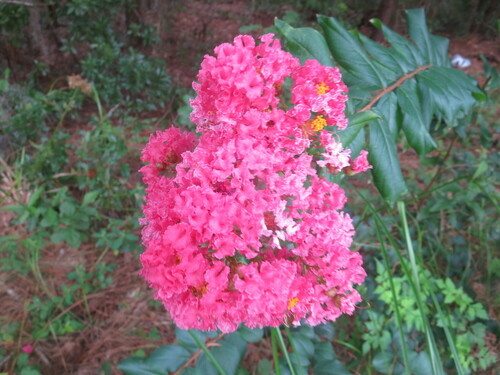
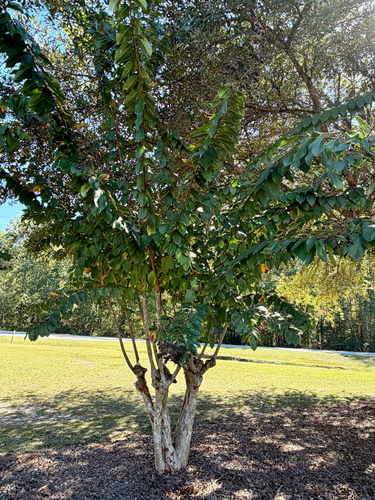
50 to 100 years under good conditions, though many never reach that age due to poor pruning, site problems, or storm damage.
Highly variable by cultivar. Dwarf varieties stay under 5 feet; intermediate types reach 8 to 15 feet; standard tree-form varieties like Natchez can reach 25 to 30 feet tall with a 15 to 20 foot spread. Always confirm the cultivar before planting, because mismatched expectations are the number one reason people start pruning them into stubs.
Care & Maintenance
Crepe myrtle wants full sun, at least 6 hours daily, and it will reward you with more blooms the more sun it gets. Once established it is genuinely drought tolerant, especially in Northern California, but consistent irrigation through the first two summers is critical for root development. Avoid high-nitrogen fertilizers, which push leafy growth at the expense of flowers. Well-drained soil is a must; these trees do not like wet feet.
Common Issues & Threats
- Crepe myrtle aphid (Tinocallis kahawaluokalani): This is a specific aphid that feeds almost exclusively on crepe myrtle. The sticky honeydew they produce drips onto everything below the canopy and feeds sooty mold, a black fungal coating that looks alarming but is secondary to the aphid problem. Treat the aphids and the mold clears on its own.
- Powdery mildew: A white, chalky coating on leaves and young shoots, most common in humid conditions or when the tree is planted in too much shade. Modern hybrid varieties like the Natchez or Tuscarora series have been bred for mildew resistance, so if you are planting new, choose those.
- Cercospora leaf spot: Circular brown or tan spots on leaves, often with a purple halo, that cause premature defoliation in late summer. It is worse in wet years or when trees are crowded. It rarely kills the tree but looks bad and repeats year after year if conditions stay favorable.
Pruning Guide
Here is what most people get wrong: topping a crepe myrtle, cutting the main branches back to stubs each winter, is so common it has its own name, crape murder. It produces ugly knobby scars, weakens the branch structure, and triggers a flush of spindly regrowth that is more susceptible to aphids. The correct approach is to remove only crossing branches, suckers from the base, and branches smaller than a pencil diameter that crowd the interior. Do this in late winter before new growth starts, and do it selectively, not aggressively.
Did You Know?
Crepe myrtle bark is one of the most underrated ornamental features in any landscape. In winter, after the leaves drop, the smooth peeling trunk in multiple tones of tan and cinnamon is genuinely beautiful, and many homeowners never realize this because they have pruned their trees into stubs that never develop that mature trunk structure. Also, a well-established crepe myrtle can live well over 50 years, so the tree you plant this decade will outlast most of what else you put in the yard.
Where Crepe Myrtle Is Found
Crepe Myrtle is common in 737 of the US communities we cover, across 2 climate regions.
... and 725 more cities
Need Crepe Myrtle Care?
Find ISA-certified arborists experienced with Crepe Myrtle in your area.
Take the Tree Risk Quiz