Crabapple
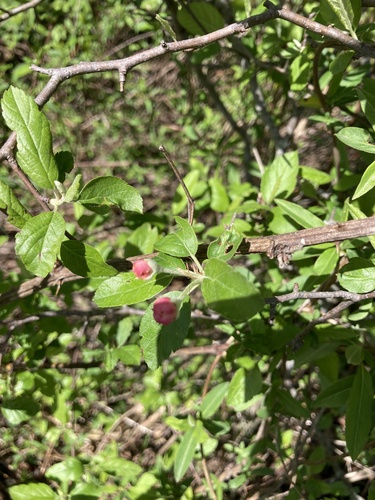
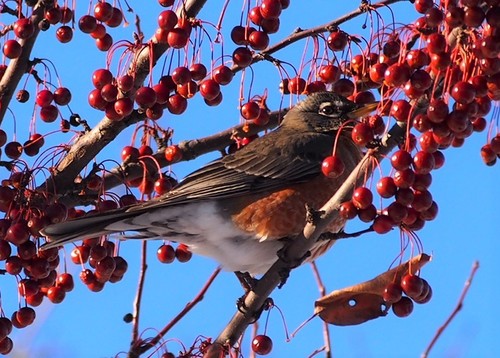
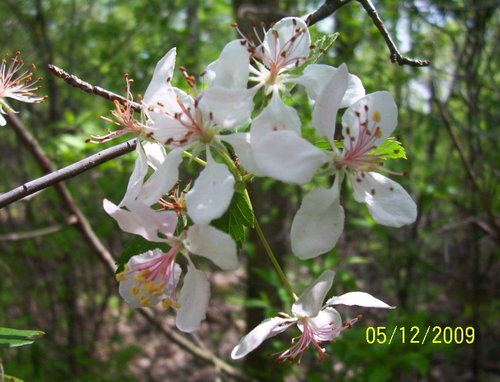
Most crabapples live 40 to 70 years under decent conditions. Disease-resistant cultivars on good sites regularly hit the upper end of that range.
Varies significantly by cultivar. Compact types like 'Sargent' top out around 6-8 feet tall and 10-12 feet wide. Standard cultivars reach 15-25 feet tall with a similar spread. Know the mature size before you plant, because a crabapple crammed under a power line or against a house is a maintenance problem every single year.
Care & Maintenance
Crabapples want full sun, at least 6 hours daily. Less than that and you get fewer flowers and more disease pressure. They tolerate a range of soils but do best in well-drained, slightly acidic ground. Established trees rarely need supplemental watering except during drought, and heavy fertilizing actually works against you by pushing leafy growth that invites disease.
Common Issues & Threats
- Apple scab (Venturia inaequalis): This fungal disease causes olive-green to black spots on leaves, followed by early defoliation. You'll see it every wet spring. The fix is not spraying after the fact, it's planting a scab-resistant cultivar like 'Prairie Fire' or 'Sugar Tyme' in the first place.
- Fire blight (Erwinia amylovora): A bacterial disease that makes branch tips look like they were scorched with a torch, curling into a shepherd's crook shape. It spreads fast in warm, wet springs. You need to prune it out immediately, cutting 8-12 inches below visible infection, and sterilize your tools between every cut.
- Cedar-apple rust (Gymnosporangium juniperi-virginianae): Orange, gelatinous growths appear on your crabapple leaves if you have eastern red cedars or junipers nearby. The fungus requires both host trees to complete its life cycle. Resistant cultivars handle this well, but if you're already dealing with it on a susceptible tree, a fungicide applied at bud break can reduce damage.
Pruning Guide
Prune crabapples right after they finish flowering in late spring, not in fall. Fall pruning stimulates new growth that gets hit hard by winter, and it also removes next year's flower buds. Your main jobs are removing watersprouts (those vertical shoots shooting straight up from branches), crossing branches, and anything dead or diseased. Keep the center open enough that you could toss a hat through the canopy.
Did You Know?
Here's what most people get wrong: they pick a crabapple based on flower color and ignore disease resistance, then spend years fighting scab on a tree that's essentially wrong for the site. The cultivar selection matters more than almost any other decision you'll make. Also worth knowing: crabapples are one of the most important trees for native pollinators in the Upper Midwest, blooming right when queens of several native bee species are establishing new colonies in spring.
Where Crabapple Is Found
Crabapple is common in 308 of the US communities we cover, across 1 climate regions.
... and 296 more cities
Need Crabapple Care?
Find ISA-certified arborists experienced with Crabapple in your area.
Take the Tree Risk Quiz