Chinese Tallow
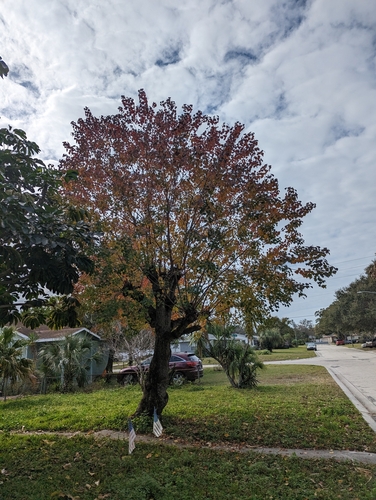
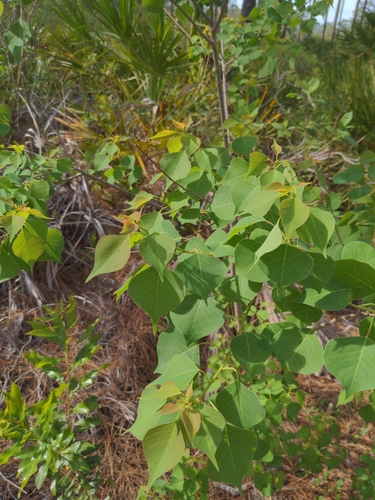
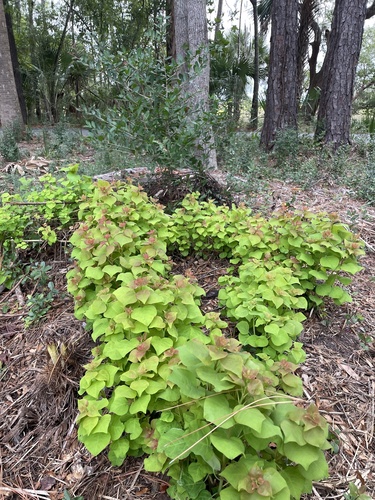
30 to 50 years under typical conditions, though it often gets removed before reaching natural end of life due to legal restrictions or active control efforts.
35 to 45 feet tall with a spread of 25 to 35 feet, though in ideal conditions with no competition it can push larger.
⚠ Problem Species
Why it's a problem: Extremely invasive, banned in many southern states
Care & Maintenance
Here is what most people get wrong: caring for this tree is not the goal. If you have one on your property, you should be thinking about removal, not maintenance. It thrives in wet soils, dry soils, shade, full sun, and poor drainage, which makes it nearly impossible to naturally out-compete. Fertilizing or watering it is actively making a regional ecological problem worse on your land.
Common Issues & Threats
- Invasive spread: A single mature tree can produce 100,000 seeds per year, and birds distribute them across your entire property and your neighbors'. You will spend years pulling seedlings if you leave a mature tree in place.
- Allelopathic soil alteration: Chinese tallow releases chemicals into the soil that suppress native plant growth. Even after you remove the tree, native species struggle to reestablish in the same spot for several years.
- Toxic seeds and sap: The white waxy seeds are toxic to humans and livestock if ingested, and the sap causes contact dermatitis in some people. If you have kids, dogs, or horses, that is a real concern with this tree dropping seed pods every fall.
- Legal liability in some states: Florida has banned the sale and cultivation of Chinese tallow entirely. In Texas it is listed as a noxious weed. If you are selling property or landscaping commercially, having one on-site can create complications.
Pruning Guide
Pruning this tree is not recommended because it encourages faster regrowth and does nothing to address the underlying problem. If you are managing one temporarily before removal, cut during late fall or winter when the tree is dormant and seed production is low. Wear gloves and eye protection because the sap irritates skin and eyes. Disposing of cuttings carefully matters here, as even cut branches with seeds on them can spread.
Did You Know?
The tree was intentionally introduced to the US in the 1700s as a potential source of vegetable tallow for soap and candle making, and the USDA actually promoted it for land reclamation in the early 20th century. That history makes it one of the clearest examples of a well-intentioned introduction that became an ecological disaster. The fall color is genuinely spectacular, which is why homeowners kept planting it right up until states started banning it.
Where Chinese Tallow Is Found
Chinese Tallow is common in 458 of the US communities we cover, across 1 climate regions.
... and 446 more cities
Need Chinese Tallow Care?
Find ISA-certified arborists experienced with Chinese Tallow in your area.
Take the Tree Risk Quiz