Carrotwood
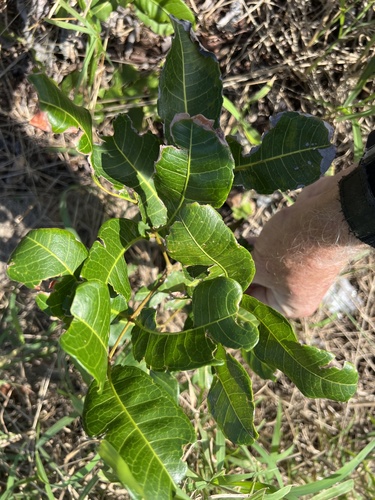
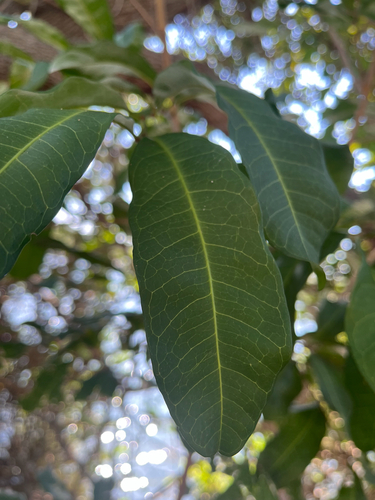
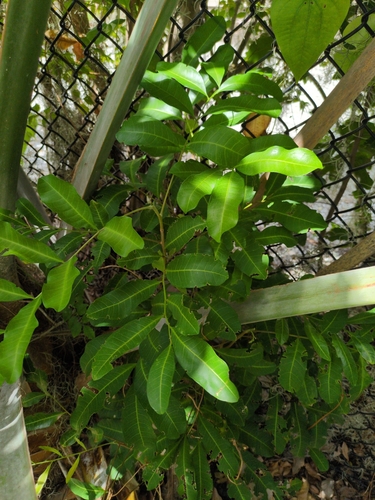
In cultivated landscapes, carrotwood typically lives 50 to 80 years. Specimens in favorable conditions can persist longer, and once naturalized in the wild, individual trees show no signs of early decline.
Typically 20 to 35 feet tall with a canopy spread of 15 to 25 feet. In ideal coastal conditions with no competition, it can push closer to 40 feet tall.
⚠ Problem Species
Why it's a problem: Invasive - banned in many CA counties, aggressive seeding
Care & Maintenance
Once established, carrotwood needs almost no supplemental water and tolerates poor, compacted, or sandy soils in full sun. Do not fertilize it. Feeding this tree encourages more fruiting, which means more seeds, which means more seedlings showing up in places you don't want them. It handles coastal conditions, including salt air and wind, without complaint, which is a big part of why it naturalized so successfully along the Southern California coast.
Common Issues & Threats
- Invasive seeding: Birds eat the orange arils and scatter seeds into canyons, native habitat, and neighboring properties. You can find carrotwood seedlings sprouting a quarter mile from the parent tree, and they establish quickly.
- Root damage: Carrotwood has shallow, aggressive roots that lift sidewalks, crack driveways, and infiltrate irrigation lines over time. Trees planted close to hardscape will cause structural damage well before they reach full size.
- Regulatory and legal exposure: In San Diego County and several others, you may be required to remove carrotwood if it is within a certain distance of natural open space. Before you prune, sell, or do anything with this tree, contact your county ag commissioner to understand your obligations.
Pruning Guide
Pruning for clearance and structure is fine, but do it in late winter before the new growth flush. Here is what most people get wrong: they assume cutting the tree back hard will reduce the fruit problem. It does not. Heavy pruning during or after fruiting season just triggers more vigorous regrowth and does nothing to reduce seed dispersal. If reducing spread is your goal, the more useful move is removing fruit clusters by hand before they ripen and open.
Did You Know?
The name carrotwood comes from the orange heartwood visible when you cut through a branch, which really does look like a carrot. What surprises most homeowners is that this tree was not an accident or an escape from botanical gardens. Nurseries actively marketed it through the 1980s as a responsible, drought-tolerant choice, and it ended up in thousands of planned landscapes for exactly that reason. The traits that made it a good product are the same traits that made it a successful invader.
Where Carrotwood Is Found
Carrotwood is common in 388 of the US communities we cover, across 1 climate regions.
... and 376 more cities
Need Carrotwood Care?
Find ISA-certified arborists experienced with Carrotwood in your area.
Take the Tree Risk Quiz