Bur Oak
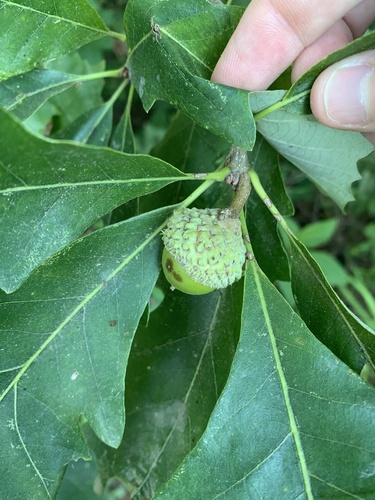
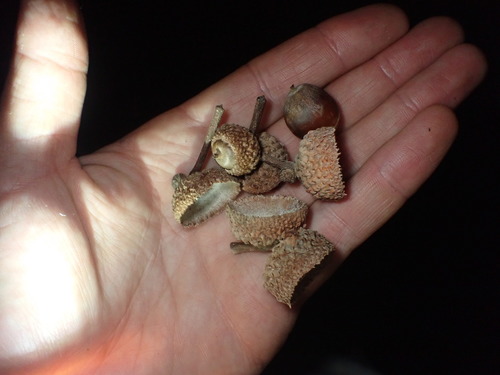
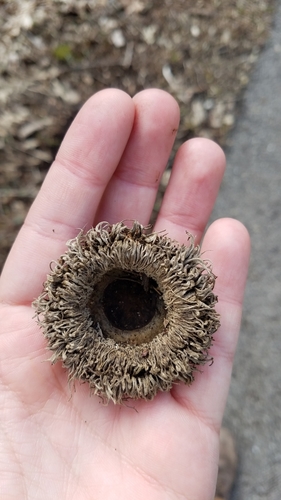
300 to 400 years is common, with some documented specimens exceeding 500 years. Most homeowners are planting a tree they will never see reach full size.
Typically 60 to 80 feet tall with a spread of 60 to 80 feet or more on open sites. In forest settings they grow taller and narrower, but give one room and it will dominate the landscape.
Care & Maintenance
Once established, bur oak needs almost no supplemental watering, and overwatering is a real mistake that promotes root rot and unnecessary vigor. It prefers full sun and tolerates a wide range of soils, including heavy clay and alkaline conditions that would stress most other oaks. Skip the fertilizer unless a soil test shows a specific deficiency, fertilizing a healthy bur oak just pushes weak growth.
Common Issues & Threats
- Oak wilt (Bretziella fagacearum): Bur oaks are less susceptible than red oaks, but they can still get it. The disease moves through root grafts between trees and kills from the roots up, so if a neighbor's red oak has it, your bur oak is at risk.
- Two-lined chestnut borer (Agrilus bilineatus): This beetle attacks oaks that are already stressed by drought, construction damage, or soil compaction. You'll see branch dieback starting at the top of the canopy, and by the time it's obvious, the infestation is well advanced.
- Anthracnose leaf blight: A fungal disease that causes brown, scorched-looking patches on leaves in wet springs. Most homeowners panic and think the tree is dying, but healthy bur oaks shrug it off and push new leaves. It looks worse than it is.
Pruning Guide
Prune bur oak only between November and March, when the bark beetles that spread oak wilt are not active. If you must make a cut outside that window due to storm damage, paint the wound immediately with wound sealant, which is otherwise not recommended for most trees. Never top a bur oak, it creates massive decay columns and destroys the structural integrity of a tree that could otherwise outlive your house.
Did You Know?
Bur oak has the thickest bark of any eastern North American oak, which is why it survived the prairie fires that killed off most other tree species. That fire resistance is why you find old bur oaks standing alone in open fields where forests never established. A mature specimen can have a canopy wider than it is tall, sometimes 80 feet across.
Where Bur Oak Is Found
Bur Oak is common in 729 of the US communities we cover, across 2 climate regions.
... and 717 more cities
Need Bur Oak Care?
Find ISA-certified arborists experienced with Bur Oak in your area.
Take the Tree Risk Quiz