Bristlecone Pine
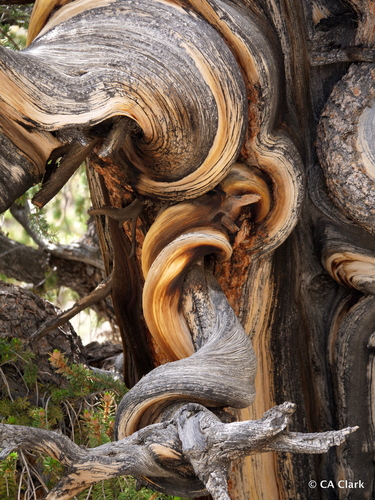
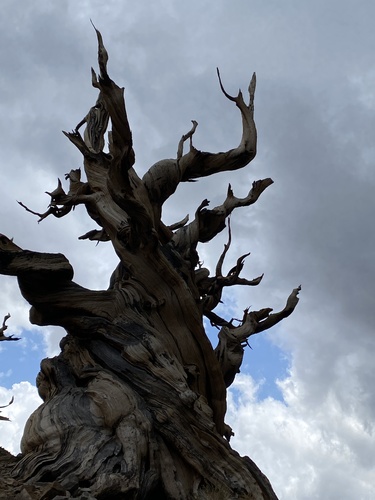
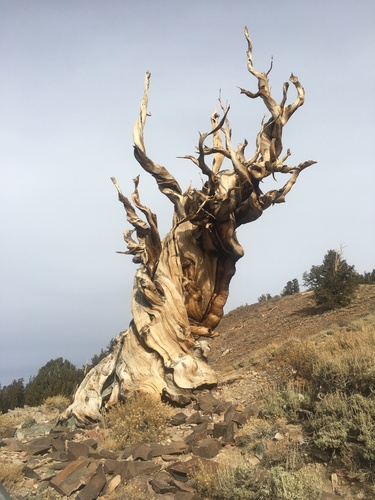
In the wild at high elevation, documented lifespans exceed 5,000 years. In a cultivated landscape at lower elevations, expect several hundred years under good conditions, still far longer than nearly any other tree you could plant.
In a landscape setting, typically 8 to 20 feet tall with a spread of 10 to 15 feet over many decades. Wild specimens at timberline are often shorter and more contorted due to wind and harsh conditions.
Care & Maintenance
This tree evolved in rocky, nutrient-poor soils at high elevation with minimal water, so the biggest mistake you can make is overwatering and over-fertilizing. It needs full sun, excellent drainage, and almost nothing else. If your soil stays wet, the tree will die slowly from root rot before you realize what is happening.
Common Issues & Threats
- Root rot from poorly drained or irrigated soil: Bristlecones are adapted to dry, rocky ground. Plant one in a lawn or a spot that gets regular irrigation and you are slowly killing it. This is the number one way homeowners lose these trees.
- Western pine bark beetle (Dendroctonus brevicomis): Stressed or overwatered trees become targets. You will see pitch tubes, small masses of resin mixed with boring dust, on the bark. A healthy, drought-adapted bristlecone resists them naturally.
- Transplant failure: Because these trees grow so slowly, even a nursery-grown specimen has put years into establishing its root system. Poor planting technique or the wrong site can undo that in one season. Site selection matters more with this species than almost any other.
Pruning Guide
Do not prune bristlecone pines unless you have a specific reason, like a dead branch or one that poses a safety concern. They grow so slowly that every branch represents decades of energy investment, and the irregular form is the entire aesthetic point. If you do need to remove a branch, do it in late winter before bud break and make clean cuts at the branch collar.
Did You Know?
The oldest confirmed living bristlecone is over 4,800 years old, meaning it was already ancient when the Roman Empire was founded. Here is what most people get wrong: they assume slow growth means fragile. The opposite is true. The wood is extremely dense and resinous, which makes it highly resistant to insects, fungi, and decay. Dead bristlecone wood can persist intact for thousands of years after the tree dies.
Where Bristlecone Pine Is Found
Bristlecone Pine is common in 421 of the US communities we cover, across 1 climate regions.
... and 409 more cities
Need Bristlecone Pine Care?
Find ISA-certified arborists experienced with Bristlecone Pine in your area.
Take the Tree Risk Quiz