Bradford Pear
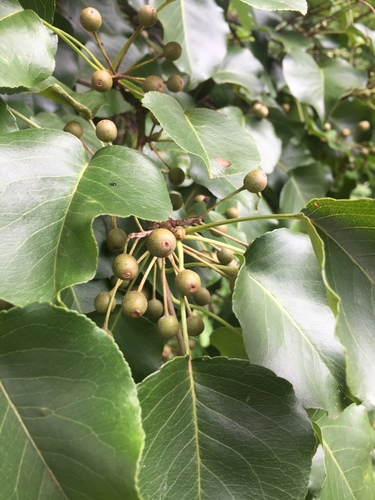
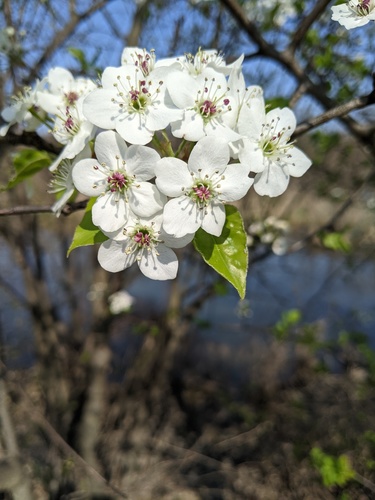
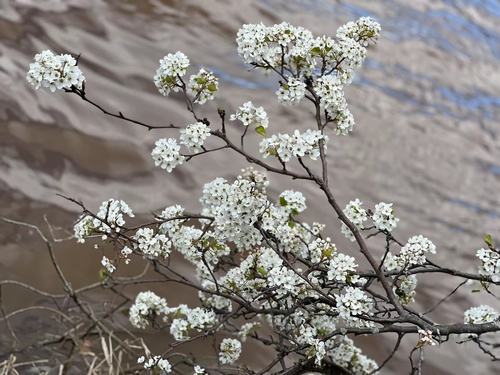
15 to 25 years before structural failure becomes likely, though some specimens survive to 30 years in low-wind areas. The tree can technically live longer, but intact specimens past age 20 are more exception than rule.
30 to 40 feet tall with a spread of 25 to 35 feet. Young trees have a tidy pyramidal shape that makes them look like a good choice, but they become wide and structurally compromised crowns by middle age.
⚠ Problem Species
Why it's a problem: Structurally weak - splits in storms. Now banned in many states as invasive
Care & Maintenance
Bradford Pear adapts to most soil types and tolerates drought, compaction, and pollution better than many trees, which is part of why it got planted everywhere. It prefers full sun and does fine without supplemental fertilizing in most suburban soils. Honestly, investing in serious care for this tree is not a good use of your money given its structural problems.
Common Issues & Threats
- Structural failure from included bark: The branch unions on Bradford Pear form with bark embedded between them instead of good wood-to-wood attachment. This means branches don't actually fuse properly, and the tree essentially splits itself apart, usually between 15 and 25 years old. Ice storms and high winds accelerate this.
- Invasive seedling spread: Bradford Pear was bred to be sterile, but when multiple Callery pear cultivars grow near each other they cross-pollinate and produce viable seeds. Birds eat the small fruits and spread thorny, fast-growing seedlings into fields and forest edges. This is why Ohio, Pennsylvania, South Carolina, and several other states have banned its sale.
- Fire blight susceptibility: Erwinia amylovora, the bacterium that causes fire blight, hits Bradford Pear hard. You'll see branch tips die back and curl into a shepherd's crook shape, with bark that looks water-soaked then turns brown or black. It spreads fast during wet spring weather and can kill large portions of the canopy.
Pruning Guide
Structural pruning when the tree is young can slow the inevitable splitting, but it cannot fix the underlying problem of included bark unions. You can reduce the weight of co-dominant stems to buy a few extra years, but any arborist being straight with you will tell you pruning is delay, not prevention. Do not top this tree thinking it will make it safer.
Did You Know?
Here is what most people get wrong: they assume the Bradford Pear's fall color is a bonus worth keeping the tree for. The color is real, but the tree producing it is usually already structurally compromised by the time it puts on that show. Also, those flowers that look so appealing in spring smell like rotting fish up close. That odor comes from trimethylamine, the same compound in decomposing organic matter.
Where Bradford Pear Is Found
Bradford Pear is common in 1827 of the US communities we cover, across 2 climate regions.
... and 1815 more cities
Need Bradford Pear Care?
Find ISA-certified arborists experienced with Bradford Pear in your area.
Take the Tree Risk Quiz