Black Locust
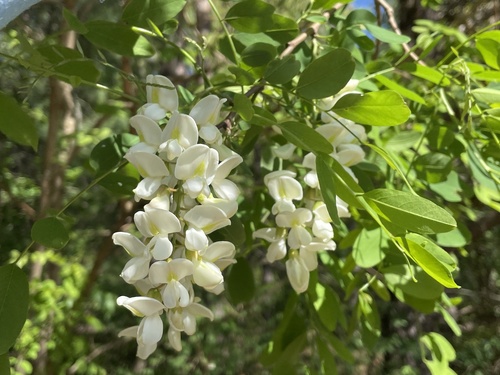
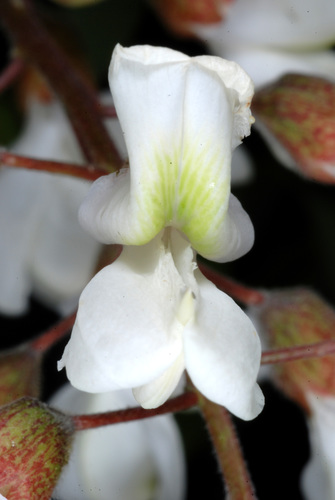
80 to 100 years under normal conditions, though stressed or borer-infested trees can fail structurally well before that.
40 to 70 feet tall with a spread of 20 to 35 feet, though suckering colonies can expand horizontally far beyond the original tree over time.
⚠ Problem Species
Why it's a problem: Invasive suckering, thorny, displaces native understory
Care & Maintenance
Black locust tolerates poor, dry, rocky soils and actually fixes nitrogen through root nodules, so fertilizing it is counterproductive and will accelerate growth and suckering. It prefers full sun and handles drought well once established. Do not irrigate it unless you want a larger, more aggressive tree. This is not a tree that needs your help to thrive.
Common Issues & Threats
- Root suckering: Here is what most people get wrong about this tree. Cutting it down makes the problem worse. Black locust responds to injury by sending up dozens of suckers from the root system, turning one tree into a thicket within a few years. Removal requires stump treatment with herbicide immediately after cutting, ideally with triclopyr, applied within minutes of the cut.
- Locust borer (Megacyllene robiniae): This native beetle specifically targets black locust and is one of the few things that actually weakens it. Larvae tunnel through the wood, compromising structural integrity. You will see sawdust-like frass at the base or in bark crevices. A heavily infested tree can fail without warning.
- Toxicity: The bark, seeds, and leaves contain the toxin robin, which is poisonous to horses, cattle, and children if ingested. The seeds look innocuous but can cause serious illness. If you have livestock near a property with black locust, that is a real and specific risk you need to manage.
Pruning Guide
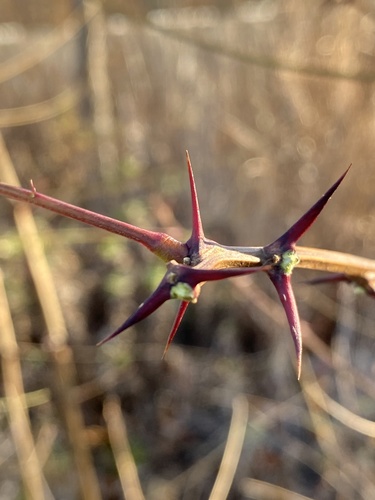
Avoid pruning black locust if your goal is eventually to remove it, because wounds trigger suckering from the roots. If you must prune for safety reasons, do it in late summer when the tree is focused on storing carbohydrates rather than pushing new growth. Wear heavy gloves and long sleeves regardless of season. The thorns on young growth and root sprouts are sharp enough to go through standard work gloves.
Did You Know?
Black locust wood is harder than white oak and one of the most rot-resistant woods in North America. Fence posts made from it can last 50 years in the ground without treatment. The flowers are also a major honey source, and black locust honey is produced commercially in Europe. None of that makes it less of an invasive problem in the Pacific Northwest, but it explains why it was planted so widely before people understood what it would do here.
Where Black Locust Is Found
Black Locust is common in 345 of the US communities we cover, across 1 climate regions.
... and 333 more cities
Need Black Locust Care?
Find ISA-certified arborists experienced with Black Locust in your area.
Take the Tree Risk Quiz