Bird of Paradise Tree
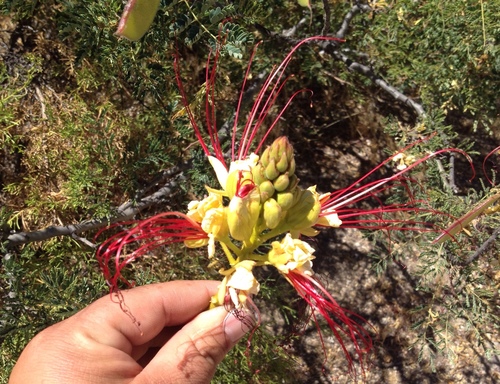
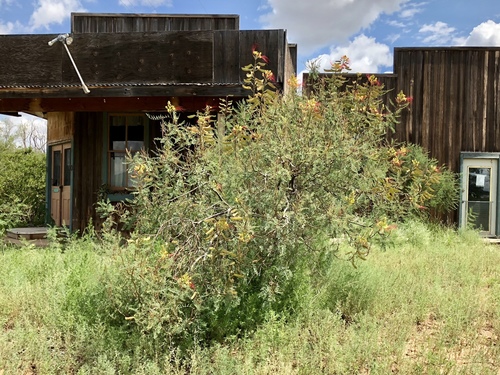
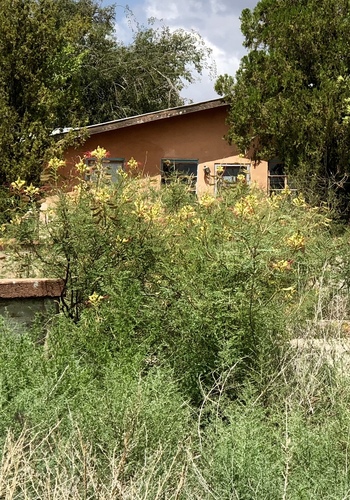
In suitable conditions with minimal frost and reasonable drainage, Strelitzia nicolai can live 50 to 100 years. The original clump expands over time as new offset stems emerge, so a mature planting you see today may have been started decades ago from a single stem.
Typically 20 to 30 feet tall with a spread of 10 to 15 feet for a multi-stemmed clump, though in ideal coastal Southern California conditions with consistent moisture in the early years, specimens can push past 30 feet. Each individual stem stays fairly narrow, but the clump expands outward slowly over decades.
Care & Maintenance
Once established, which takes about two to three years, this plant handles Southern California's dry summers on minimal irrigation, maybe once every two weeks in summer. It prefers full sun but tolerates partial shade, though you'll get fewer flowers and leggier growth in lower light. Fertilize lightly in spring and summer with a balanced slow-release fertilizer; over-fertilizing pushes excessive leaf growth at the expense of flowers. It wants fast-draining soil and will rot if it sits in wet clay.
Common Issues & Threats
- Root and rhizome damage to hardscape: The clumping root system is aggressive and will crack concrete, lift pavers, and damage underground irrigation lines if planted too close. Most people find this out after the damage is already done.
- Overwatering root rot: This is the number one killer in residential landscapes. Gardeners used to thirsty tropicals keep watering, and the roots suffocate. Yellow lower leaves and a mushy base are the warning signs.
- Split and tattered leaves from wind: The large leaves tear along natural vein lines in coastal wind, which looks alarming but is cosmetic. It's how the plant reduces wind resistance. No treatment needed, but planting in a wind-protected spot helps if appearance matters to you.
Pruning Guide
Remove dead or severely damaged leaves at the base of the stem with a clean cut flush to the trunk, and cut spent flower stalks down to the base once they brown. Do not cut into the green trunks themselves, as wounds on Strelitzia are slow to close and invite fungal issues. Late winter to early spring is the best time for cleanup before the main growing season. Here's what most people get wrong: removing too many leaves at once stresses the plant significantly, so thin gradually rather than stripping it down.
Did You Know?
The seeds of Strelitzia nicolai have a bright orange aril, and this is not decoration. Birds in its native South Africa eat the aril and disperse the seeds, which is the same ecological relationship that gives the entire genus its common name. What surprises most homeowners is that this plant is not actually a tree at all botanically. It has no woody tissue. Those impressive gray trunks are made entirely of tightly compressed leaf bases, which is why you should never lean heavily on them or drive stakes into them.
Where Bird of Paradise Tree Is Found
Bird of Paradise Tree is common in 388 of the US communities we cover, across 1 climate regions.
... and 376 more cities
Need Bird of Paradise Tree Care?
Find ISA-certified arborists experienced with Bird of Paradise Tree in your area.
Take the Tree Risk Quiz