Bald Cypress
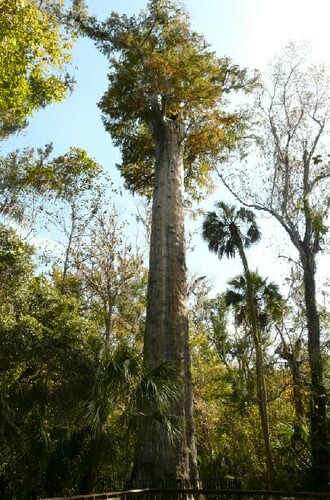
600 to over 1,000 years under good conditions. There are documented specimens in the Southeast exceeding 1,500 years old.
Typically 50 to 70 feet tall with a 20 to 30 foot spread in landscape settings, though trees in ideal conditions along rivers can exceed 100 feet tall.
Care & Maintenance
Bald cypress is remarkably adaptable once established and will grow in standing water, soggy soil, or average well-drained garden soil. Here's what most people get wrong: they assume it needs wet conditions because it grows in swamps, but it actually establishes and grows faster in average moisture soil. Full sun is essential, at least six hours a day, and it needs very little fertilizer in most Southeast soils.
Common Issues & Threats
- Bagworms (Thyridopteryx ephemeraeformis): These caterpillars build spindle-shaped silk bags covered in needle fragments and can defoliate branches if populations are heavy. Handpick small infestations in fall and winter when the bags are easy to spot, or treat with Bt (Bacillus thuringiensis) in late spring when larvae are young.
- Cypress twig gall midge (Taxodiomyia cupressiananassa): A tiny fly whose larvae cause small, roundish green or brown galls to form at branch tips. It looks alarming but rarely causes serious harm to a healthy tree. No chemical treatment is typically necessary.
- Chlorosis in high-pH soils: If your soil is alkaline, leaves may turn yellow-green because the tree can't absorb iron properly. A soil test will confirm this, and soil acidification or chelated iron applications can correct it.
Pruning Guide
Bald cypress has a naturally strong central leader and rarely needs structural pruning if left alone when young. If you do need to prune, do it in late winter before new growth flushes out in spring. Avoid heavy pruning in summer, and never top this tree. Topping destroys its natural form and creates a dense cluster of weak sprouts that break in storms.
Did You Know?
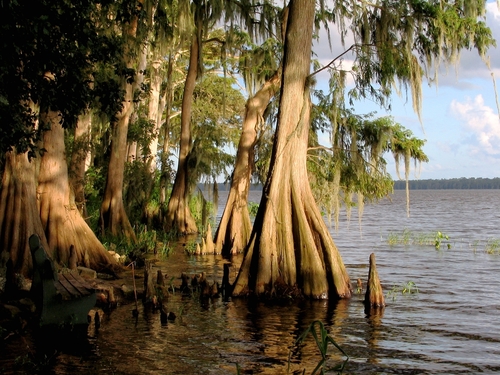
Bald cypress wood is naturally rot-resistant due to a compound called cypressene, which is why old-growth cypress was used for caskets, water tanks, and boat hulls for centuries. The knees are still not fully understood by scientists, the leading theories are that they help anchor the tree in soft soils or assist with oxygen exchange in flooded roots, but neither has been definitively proven.
Where Bald Cypress Is Found
Bald Cypress is common in 458 of the US communities we cover, across 1 climate regions.
... and 446 more cities
Need Bald Cypress Care?
Find ISA-certified arborists experienced with Bald Cypress in your area.
Take the Tree Risk Quiz