Avocado
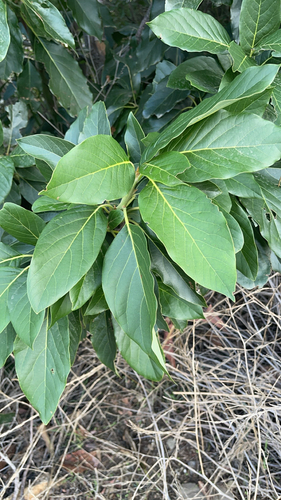
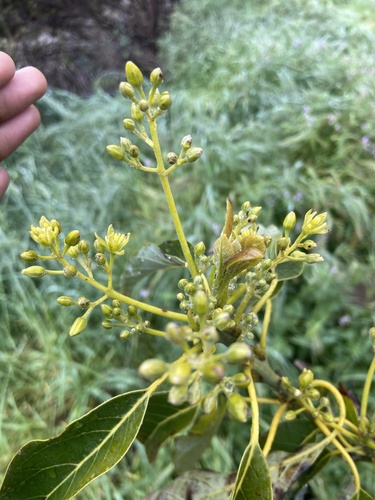
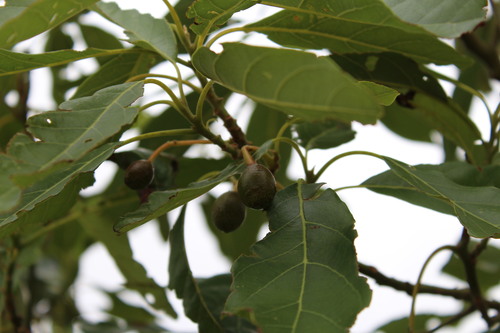
With good drainage and disease management, avocados commonly live 40 to 80 years. Trees affected by Phytophthora root rot often decline within 5 to 15 years of planting.
Ungrafted seedling avocados can reach 60 feet tall with a 30-foot spread. Grafted residential varieties are typically kept to 15 to 25 feet through pruning, but without regular maintenance they will push well beyond that.
Care & Maintenance
Here's what most people get wrong: avocados are not drought-tolerant, but they will absolutely die if you overwater them. They need deep, infrequent irrigation that keeps the root zone moist but never saturated, especially in clay soils. They prefer well-drained, slightly acidic soil and full sun, and they benefit from a nitrogen-heavy fertilizer applied in spring and summer.
Common Issues & Threats
- Phytophthora cinnamomi root rot: This water mold is the number one killer of avocados in Southern California. It thrives in waterlogged soil, and by the time you see yellowing leaves and branch dieback, the root system is already severely compromised. There is no cure once established, only management through proper drainage and phosphonate treatments.
- Avocado lace bug (Pseudacysta perseae): These small insects feed on the undersides of leaves, leaving them bronzed and stippled. Heavy infestations stress the tree and reduce fruit production, and they're commonly misidentified as a nutrient deficiency.
- Laurel wilt (Raffaelea lauricola): This fungal disease, spread by the redbay ambrosia beetle, is moving westward and has devastated avocado groves in Florida. It is not yet widespread in Southern California but is worth knowing about, as infected trees die rapidly with no effective treatment.
Pruning Guide
Prune avocados lightly and only when necessary, ideally in late winter before the spring flush. Heavy pruning triggers excessive vegetative growth at the expense of fruit, and large cuts are slow to close, leaving the tree vulnerable to Phytophthora and sunburn on exposed bark. Focus on removing crossing branches and dead wood, and never remove more than 20% of the canopy at once.
Did You Know?
Avocado trees are technically self-fertile but produce far more fruit when cross-pollinated, which is why a neighbor's tree can quietly improve your harvest. They also have an unusually shallow root system for a tree their size, which means they compete aggressively with lawn and garden plants and are easily damaged by soil compaction from foot traffic or construction.
Where Avocado Is Found
Avocado is common in 388 of the US communities we cover, across 1 climate regions.
... and 376 more cities
Need Avocado Care?
Find ISA-certified arborists experienced with Avocado in your area.
Take the Tree Risk Quiz