Australian Pine
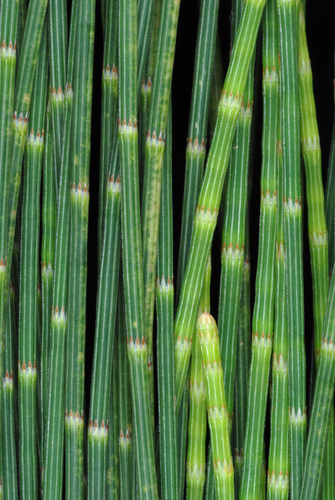
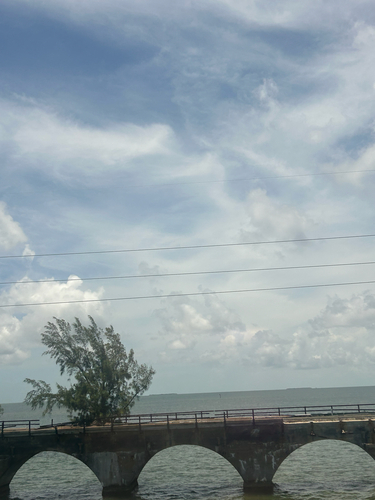
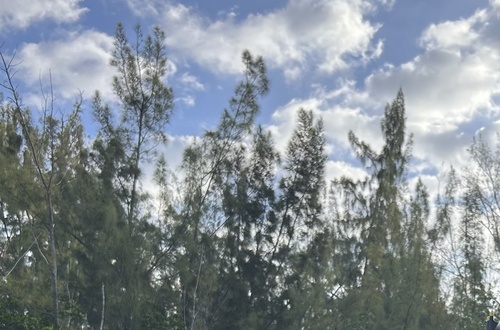
Australian pine can live 50 to 100 years under ideal conditions, but most specimens in Florida don't reach that range due to storm damage, removal orders, or disease. Many are removed long before they reach biological maturity.
Typically 70 to 100 feet tall with a spread of 20 to 30 feet, though specimens in protected coastal sites can exceed that. The narrow crown-to-height ratio gives it a deceptively small footprint until it falls.
⚠ Problem Species
Why it's a problem: Invasive in FL, shallow roots make it hurricane-vulnerable
Care & Maintenance
This tree asks for almost nothing, which is part of the problem. It thrives in poor, sandy, salty soils with full sun and little water once established. Fertilizing it is pointless and will just accelerate growth you don't want. If you have one on your property, know that it's not struggling because conditions are bad. It's succeeding in conditions that would kill most other trees.
Common Issues & Threats
- Hurricane damage: The root system is wide but shallow, which means a 50-mph gust can topple a 60-foot tree onto your house. This is not a tree you want on the windward side of your property in a hurricane zone.
- Invasive spread: One tree produces thousands of wind-dispersed seeds. It colonizes beaches and displaces sea oats and other native plants that actually hold the sand in place. Your one tree becomes your neighbor's problem and eventually a restoration project for the county.
- Soil acidification and allelopathy: The leaf litter creates a thick mat that acidifies the soil and chemically suppresses the germination of other plants. Native groundcovers, shrubs, and seedlings under an Australian pine typically die off, leaving bare, eroding soil when the tree eventually falls.
Pruning Guide
Pruning Australian pine is largely a waste of time unless you're managing clearance from a structure. It grows fast enough that any pruning is undone within a season or two. If you do prune, avoid removing large limbs, as the wood is brittle and wound closure is poor, which opens the tree to fungal rot. The honest advice here is that pruning prolongs your relationship with a tree that most coastal counties in Florida have restrictions against planting.
Did You Know?
Here's what most people get wrong: they assume Australian pine is a tough, reliable coastal windbreak because it grows fast and looks sturdy. In reality, it's one of the first trees to fail in a hurricane precisely because of how fast it grows. Fast growth means low-density wood and poor root anchoring. It's also not a pine botanically, it's more closely related to oaks than to any conifer, which surprises almost everyone who hears it.
Where Australian Pine Is Found
Australian Pine is common in 458 of the US communities we cover, across 1 climate regions.
... and 446 more cities
Need Australian Pine Care?
Find ISA-certified arborists experienced with Australian Pine in your area.
Take the Tree Risk Quiz