Arizona Cypress
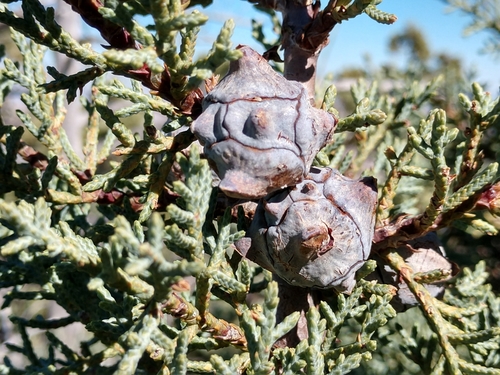
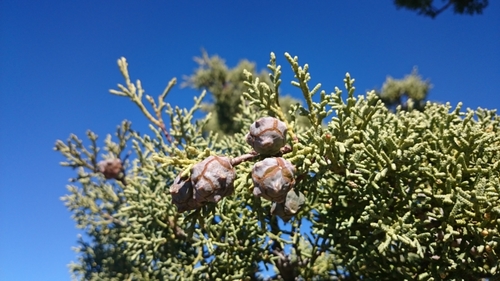
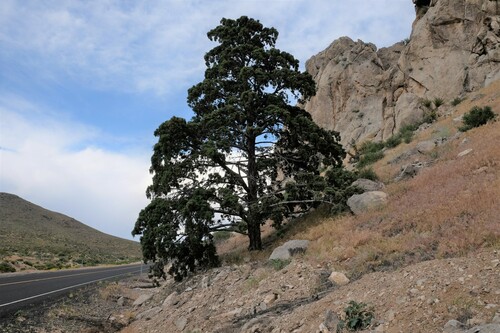
50 to 150 years in managed landscapes, potentially much longer in native, undisturbed conditions with minimal soil compaction.
40 to 70 feet tall with a spread of 15 to 25 feet, though form varies considerably by cultivar. Blue Ice and other ornamental selections tend to stay more compact.
Care & Maintenance
Once established after two to three years, this tree is remarkably drought tolerant and often does better with less water than most homeowners give it. Deep, infrequent irrigation every two to three weeks in summer is plenty for a mature tree. It wants full sun and well-drained soil. Fertilizer is rarely needed and can actually push weak, disease-prone growth.
Common Issues & Threats
- Seiridium canker (Seiridium unicorne): This fungal disease is the biggest killer of Arizona Cypress in the Southwest. It enters through wounds or stressed tissue and causes branch dieback with resin-soaked, sunken lesions on the bark. There is no chemical cure. You prune out infected branches well below the canker and keep the tree as stress-free as possible.
- Bark beetles: A drought-stressed Arizona Cypress is a magnet for Ips and Phloeosinus bark beetles. By the time you see pitch tubes or sawdust at the base, the infestation is usually advanced. The real fix is managing irrigation during extended dry spells, not spraying after the fact.
- Cypress tip moth (Argyresthia cupressella): The larvae of this small moth mine the terminal tips of foliage, causing the tips to turn brown and die. It looks like drought stress or disease but it's insect damage. Heavy infestations on young trees can set back growth significantly.
Pruning Guide
Here's what most people get wrong: Arizona Cypress has no latent buds in old wood, so if you cut back past green foliage, that branch will not regrow. Dead zone cuts are permanent. Do your shaping in late winter before new growth flushes, stick to light tip pruning only, and never remove more than 15 to 20 percent of the canopy in a single season. Leave the interior alone.
Did You Know?
Arizona Cypress produces a natural compound called sabinene that gives the foliage its sharp, resinous scent, and that same chemistry makes the wood highly rot resistant. Some documented specimens in Arizona canyon country are over 500 years old, which is a surprise for a tree most people treat as a disposable fast-grower.
Where Arizona Cypress Is Found
Arizona Cypress is common in 94 of the US communities we cover, across 1 climate regions.
... and 82 more cities
Need Arizona Cypress Care?
Find ISA-certified arborists experienced with Arizona Cypress in your area.
Take the Tree Risk Quiz