Arborvitae
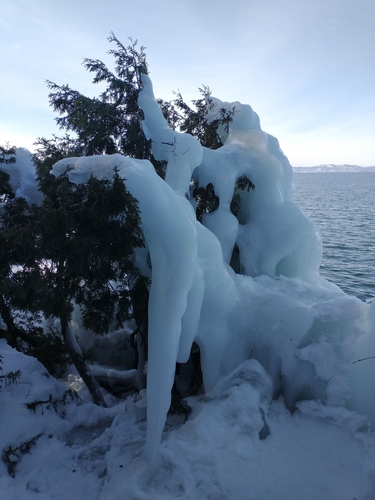
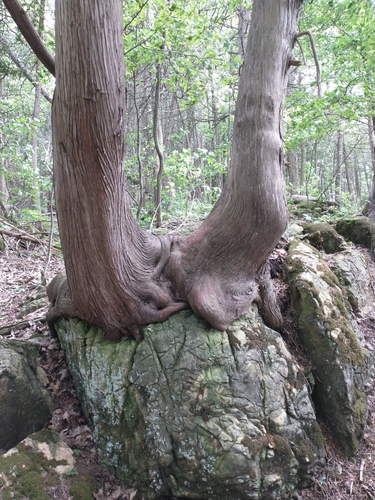
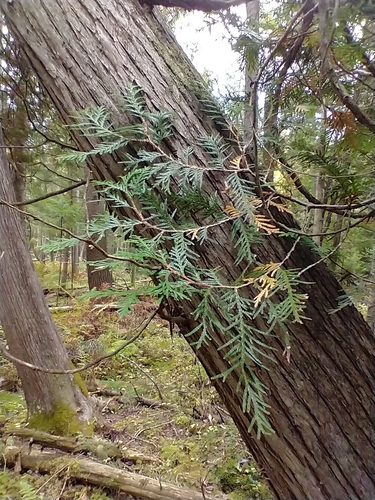
Wild Thuja occidentalis in favorable conditions can live 400 to over 1,000 years. There are ancient specimens in Ontario that predate European contact. In a typical yard setting, landscape cultivars realistically live 50 to 150 years, though most are cut down long before that due to deer damage, storm damage, or removal for redevelopment.
Mature size depends heavily on which cultivar you have. 'Emerald Green' stays 10 to 15 feet tall and 3 to 4 feet wide. 'Techny' and 'Nigra' reach 15 to 20 feet tall with a broader base. The straight species in naturalized settings can grow 40 to 60 feet tall and 10 to 15 feet wide, though that scale is uncommon in residential landscapes.
Care & Maintenance
Arborvitae does best in full sun to light shade in consistently moist, well-drained soil. One thing most people overlook: keep watering deeply through October, not just through summer. Dry soil going into winter is the primary cause of the browning you see the following February and March. Fertilizing is rarely needed unless a soil test shows a deficiency; pushing soft new growth with excess nitrogen just makes the tree more attractive to pests.
Common Issues & Threats
- Deer browse: Whitetail deer treat arborvitae like a food source specifically because other browse is scarce in winter, and they will strip outer foliage down to bare woody stems. Here is what most people get wrong: that bare interior wood has no dormant buds, so it will never regrow. One bad winter can permanently hollow out a screen planting you waited years to establish. Wire caging around individual trees is the only truly reliable protection; repellents wash off and require constant reapplication.
- Winter burn (desiccation injury): The brown foliage on the south and west sides in late winter is not a disease. It happens when sun and wind pull moisture from the foliage on warm February days while frozen ground prevents the roots from replacing it. Exposed lots, sites near pavement, and south-facing windbreaks are the worst locations. Anti-desiccant sprays applied in November provide modest help, but choosing a sheltered planting site is a smarter long-term move.
- Bagworms (Thyridopteryx ephemeraeformis): These blend in almost perfectly because the larvae construct their cocoons from actual arborvitae foliage. Look for spindle-shaped pouches hanging from branches in late summer. A heavy infestation kills branches, and missing multiple seasons can kill the whole tree. The treatment window is narrow: spray Bt (Bacillus thuringiensis) or spinosad in June when larvae are small. By August the bags are sealed and no spray will penetrate them.
Pruning Guide
The single most important rule with arborvitae: never cut back into bare brown interior wood. There are no dormant buds in that zone, so any branch cut past the living green foliage will not recover. Light shearing of the outer green growth in late spring, after new growth has emerged, keeps the shape tighter without that risk. If you are hoping to reduce the height of a mature screen, think carefully before starting. Topping arborvitae creates a permanent flat brown scar at the cut line that will not fill back in.
Did You Know?
The name arborvitae is Latin for 'tree of life,' a name given by French explorers after Indigenous people in the Great Lakes region used a bark and foliage tea to treat scurvy on long winter expeditions. It worked because the foliage is unusually high in vitamin C. On a more practical note: the standard advice is to plant 'Emerald Green' three to four feet apart for a privacy screen, but five to six feet apart actually produces a better result. The trees fill in within a few years, have better airflow between them, and hold their shape longer without competing for light.
Where Arborvitae Is Found
Arborvitae is common in 308 of the US communities we cover, across 1 climate regions.
... and 296 more cities
Need Arborvitae Care?
Find ISA-certified arborists experienced with Arborvitae in your area.
Take the Tree Risk Quiz