African Sumac
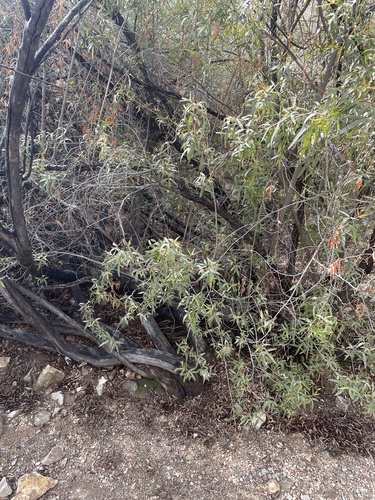
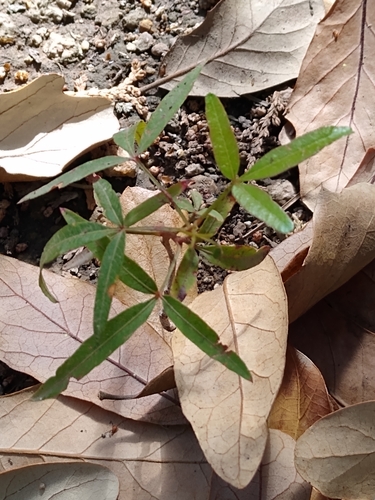
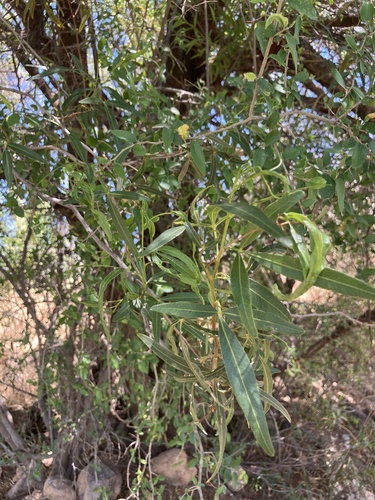
Typically 50 to 75 years under good conditions, though trees in compacted urban soils or those repeatedly overwatered often decline significantly earlier.
Usually 20 to 30 feet tall with a spread of 20 to 35 feet, though trees in irrigated landscapes with rich soil can push larger and develop proportionally more aggressive root systems.
Care & Maintenance
Once established, African Sumac needs very little supplemental irrigation, and overwatering is one of the most common ways people kill it or trigger disease. Deep, infrequent watering every two to four weeks in summer is plenty for a mature tree. It prefers well-drained alkaline soils and full sun, and does not need fertilizer in most Southwest landscapes since rich soil actually encourages the root aggressiveness you are trying to manage.
Common Issues & Threats
- Aggressive surface roots: This tree's roots run shallow and wide, and they will lift pavers, crack concrete, clog irrigation drips, and invade septic lines. If the tree is within 15 feet of hardscape or utility lines, that is not a maybe, it is a when.
- Allelopathy: African Sumac releases chemicals from its roots and leaf litter that suppress the growth of other plants underneath it. If you are wondering why nothing will grow beneath yours, that is why. Grass, groundcovers, and most perennials simply will not establish in its root zone.
- Texas root rot (Phymatotrichopsis omnivora): In Arizona especially, this soil-borne fungus can kill an African Sumac that has been overwatered or planted in poorly drained soil. You will see sudden wilting and leaf drop on what looked like a healthy tree. There is no cure once it takes hold, and the fungus persists in the soil for years afterward.
Pruning Guide
Prune African Sumac in late winter before new growth pushes, and keep your cuts to remove crossing branches, deadwood, or anything growing toward structures. Here is what most people get wrong: they shear it into a ball or lollipop shape, which forces dense interior growth that traps moisture and makes the canopy look unnatural. This tree looks best and stays healthiest with selective thinning that preserves its natural arching form. Avoid heavy pruning in summer when the tree is stressed from heat.
Did You Know?
African Sumac is in the same plant family as poison ivy and poison oak, and people with skin sensitivity to those plants can develop a rash from contact with the sap or cut wood. Most homeowners never hear this until they are trimming branches bare-handed and wonder why their arms are itching. The berries, while messy, were historically used to make a tart drink in parts of Africa, similar to how Native Americans used native sumac species in North America.
Where African Sumac Is Found
African Sumac is common in 94 of the US communities we cover, across 1 climate regions.
... and 82 more cities
Need African Sumac Care?
Find ISA-certified arborists experienced with African Sumac in your area.
Take the Tree Risk Quiz