Acacia
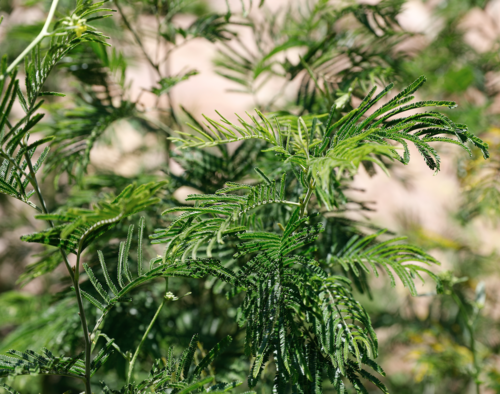
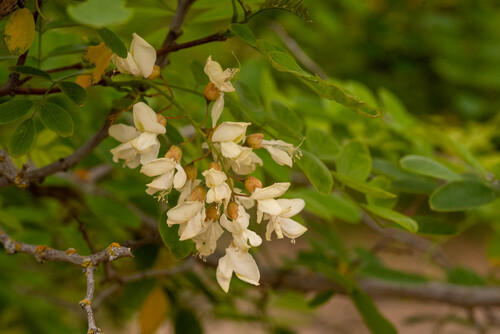
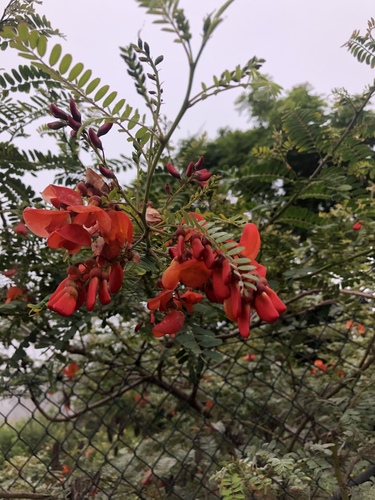
20 to 30 years under typical Bay Area conditions, sometimes less with poor drainage or overwatering. These are not trees you plant for future generations.
Acacia melanoxylon reaches 40 to 50 feet tall with a 20 to 30 foot spread. Acacia baileyana is more modest at 20 to 30 feet tall and wide. Both grow quickly, often 3 to 5 feet per year when young, which contributes to their structural weakness.
⚠ Problem Species
Why it's a problem: Short-lived (20-30 years), brittle, aggressive seeding
Care & Maintenance
Acacias are drought-tolerant once established and actually perform worse with regular irrigation. Overwatering is one of the most common mistakes homeowners make, and it accelerates the root rot and premature decline these trees are already prone to. They prefer full sun and well-drained soil, and they fix their own nitrogen, so fertilizing is rarely necessary and can push excessive soft growth that makes the wood even more prone to breakage.
Common Issues & Threats
- Brittle limb failure: Acacia wood is notoriously weak-grained, and large limbs drop without much warning, especially on Blackwood Acacia. Wind events and even calm days after rain are when you see the most failures. If you have one over a structure, patio, or parking area, that is a liability, not a landscape asset.
- Acacia psyllid (Acizzia uncatoides): These tiny sap-sucking insects coat leaves and branches in sticky honeydew, which then grows sooty black mold. You'll notice the shiny, blackened leaves before you notice the insects themselves. It rarely kills the tree but it looks terrible and can stress an already short-lived specimen.
- Aggressive seeding and invasive spread: A single Bailey's Acacia can drop thousands of seeds per year, and they germinate readily in disturbed soil, creek banks, and open hillsides. In fire-prone areas like the East Bay hills, this matters a lot because dried acacia litter is highly flammable and the trees burn intensely.
Pruning Guide
Here is what most people get wrong: they see a fast-growing acacia and assume it can handle aggressive pruning. It cannot. Large pruning cuts on acacia heal slowly or not at all, leaving entry points for decay fungi that hollow out the trunk within a few years. Stick to removing dead wood and crossing branches, keep cuts small, and prune in late spring after flowering so you are not cutting into active growth. If a tree needs heavy structural work to be safe, that is often a sign the better decision is removal.
Did You Know?
Acacia baileyana is one of the earliest trees to bloom in the Bay Area, sometimes flowering as early as January, which is why it became so popular in California gardens in the mid-20th century. What surprises most homeowners is that the tree they love for its flowers is often already in decline by the time it looks its best, because peak flowering can coincide with the stress response of a tree nearing the end of its lifespan.
Where Acacia Is Found
Acacia is common in 279 of the US communities we cover, across 1 climate regions.
... and 267 more cities
Need Acacia Care?
Find ISA-certified arborists experienced with Acacia in your area.
Take the Tree Risk Quiz