Tree Trimming & Pruning in Marathon, FL
Cost Estimates - Marathon
Pruning Guide for Marathon Trees
In Very Hot-Humid climate (Zone 11b), timing matters. Pruning at the wrong time can stress trees, invite disease, or kill them outright.
Marathon Pruning Calendar
Late winter (February-March) before spring flush. Palms: year-round, remove only dead fronds
What Type of Pruning Do Your Trees Need?
- Crown cleaning - removing dead, diseased, and crossing branches. The most common and important service. Every Marathon tree benefits from this every 2-3 years.
- Crown thinning - selectively removing interior branches to reduce wind resistance and improve light penetration. Important for dense canopy species like Southern Live Oak.
- Crown raising - removing lower branches for clearance over sidewalks, driveways, and structures. Especially needed for ~47-year-old trees that have grown into walkways.
- Crown reduction - reducing overall canopy size. Only appropriate when trees have outgrown their space. Never "top" a tree - proper reduction cuts back to lateral branches.
What NOT to Do
Never "top" a tree (cutting all branches back to stubs). Topping destroys the tree's structure, causes rapid weak regrowth, and creates a more dangerous tree than you started with. Any company that recommends topping isn't worth hiring.
See full climate profile and risk assessment for Marathon →
Common Trees in Marathon
Native & Adapted Species
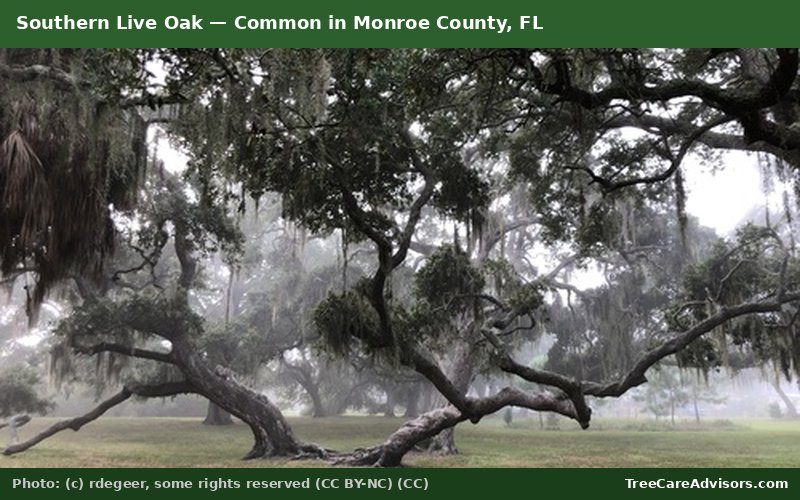
Southern Live Oak
The iconic spreading oak of the South - can live 500+ years, massive canopy
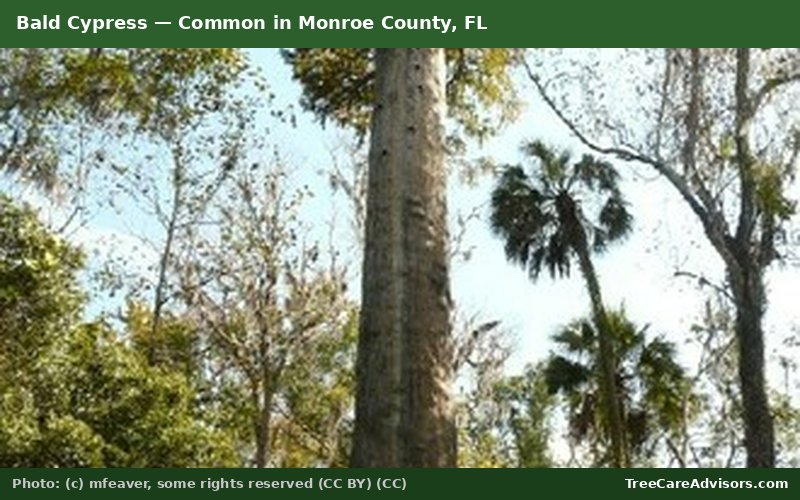
Bald Cypress
Deciduous conifer, swamp-adapted, distinctive knees, excellent longevity
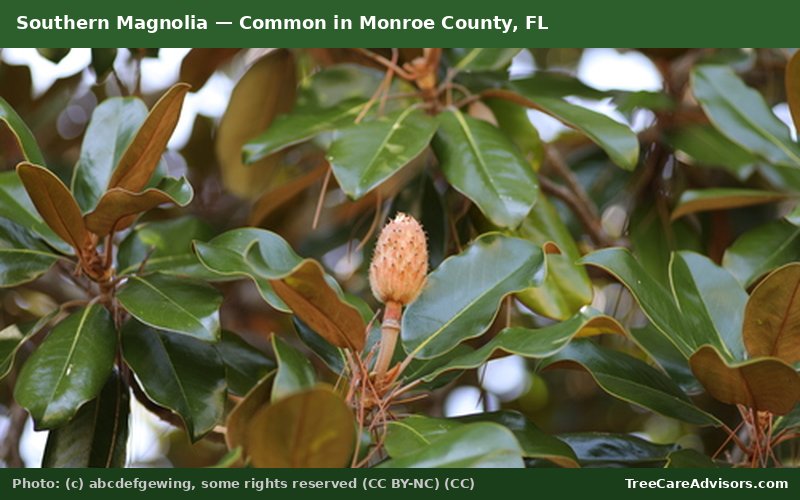
Southern Magnolia
Evergreen, large fragrant white flowers, heavy leaf drop
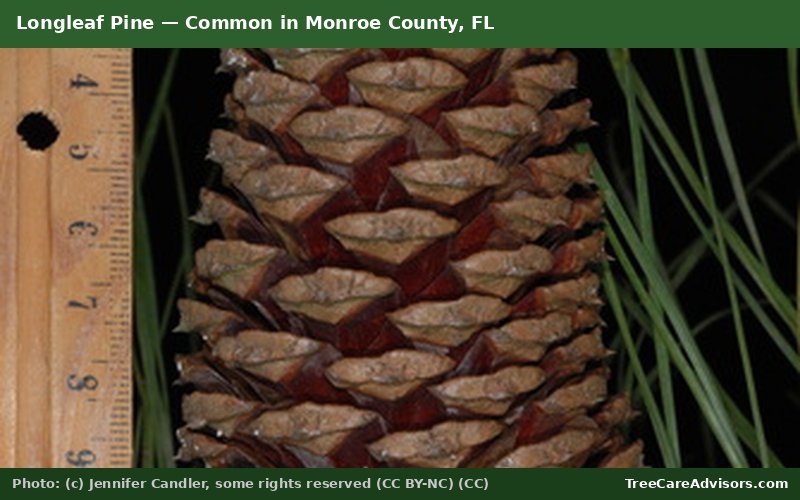
Longleaf Pine
Historic timber species, fire-adapted, slow-starting growth
Problem Species to Watch
Bradford Pear
Structurally weak - splits in storms. Now banned in many states as invasive
Camphor Tree
Invasive in FL, massive root system, difficult to remove
Chinese Tallow
Extremely invasive, banned in many southern states
Tree Trimming & Pruning Cost in Marathon
Marathon's regional cost multiplier is 1.39x the national average, reflecting higher property values (median $644,600) and labor costs in the Key West-Key Largo, FL area. Varies significantly by tree size, species, and access
Tree Services Near Marathon
We also cover tree care in these nearby communities:
Active Tree Threats in Monroe County
Formosan Subterranean Termites critical
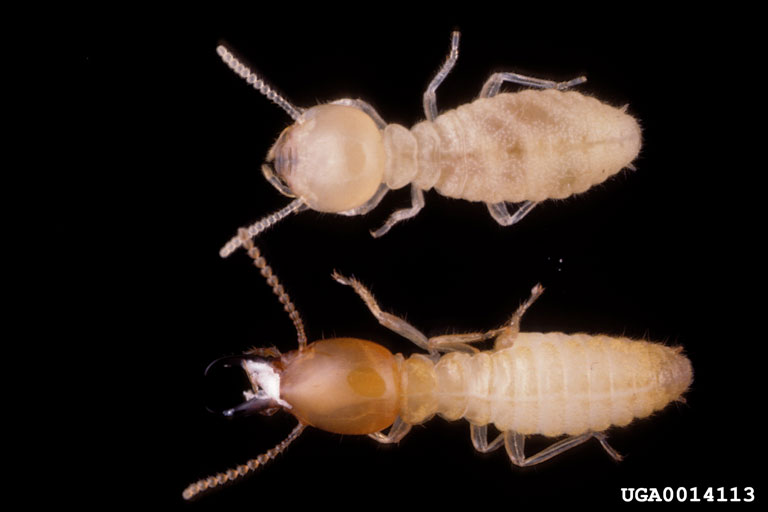
Affects: Both dead wood and living trees - will hollow out live oaks and other species from the inside
The most destructive termite species in the US. Colonies can contain millions of individuals. Unlike native termites, Formosans build above-ground carton nests IN living trees, consuming heartwood while the tree appears healthy from outside.
Laurel Wilt critical
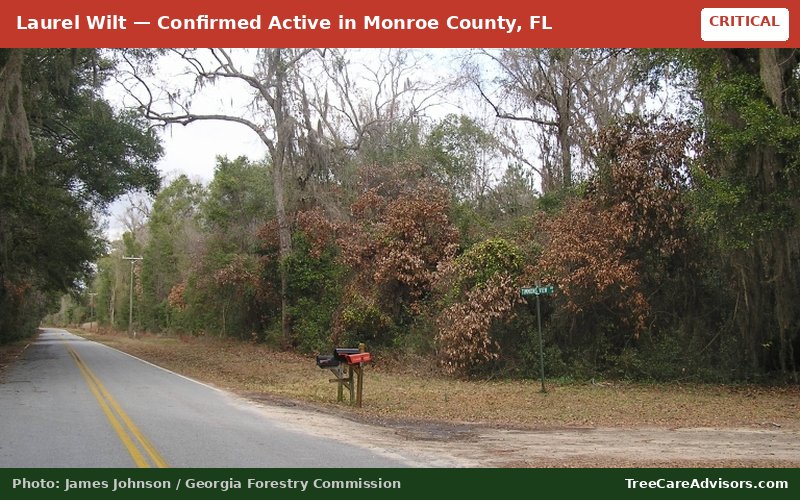
Affects: Redbay, sassafras, swamp bay, avocado, pondspice
Fungal disease spread by the redbay ambrosia beetle (invasive from Asia). The beetle introduces the fungus when it bores into the tree to farm. Has killed over 300 million redbays and threatens the avocado industry.
Southern Pine Beetle high
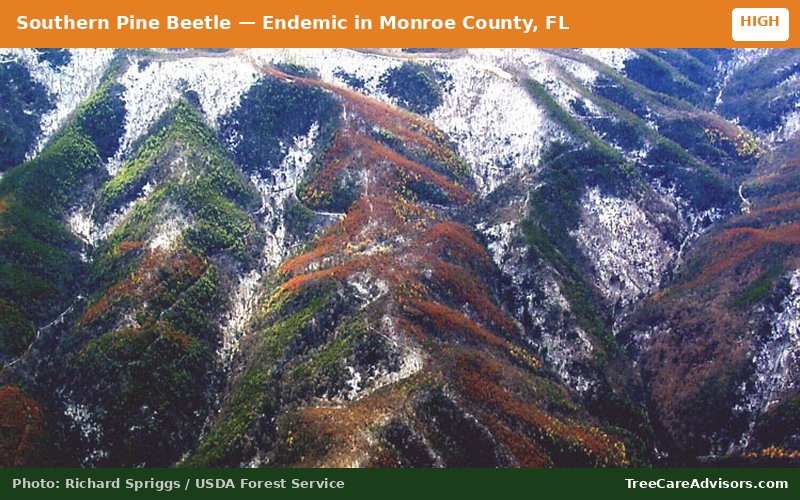
Affects: Loblolly, shortleaf, Virginia, pitch, and other southern pines
Small bark beetle (size of a grain of rice) that mass-attacks stressed pines. Trees die rapidly when beetle populations overwhelm defenses. Outbreaks can kill thousands of acres of pine.
What 1960s-1980s-Era Trees Need in 2026
1960s-1980s Homes (45-65 years old trees)
Larger lot developments, more landscape design consciousness. Introduction of many Asian ornamentals.
Common Issues
- **Green Ash death** - if your home was built in the 1970s and has a large shade tree in front, there's a good chance it's a green ash. These are now being killed by Emerald Ash Borer across the eastern US. Dead ash become brittle hazards within 1-2 years.
- **Dogwood decline** - dogwood anthracnose (Discula destructiva) killed millions of native flowering dogwoods starting in the 1980s. Surviving trees are often weakened.
- **Cherry tree aging** - flowering cherries planted in this era are at or past their 25-40 year lifespan. Bacterial canker and boring insects are common in aging specimens.
Recommended Actions
- Immediate assessment of any Green Ash - decide between treatment (expensive, ongoing) and removal (one-time, plan replacement)
- Replace dead or declining Dogwoods with disease-resistant Kousa Dogwood or native alternatives
- Evaluate Leyland Cypress hedges - thin or replace with smaller alternatives if they're overwhelming the property
Frequently Asked Questions
How much does tree trimming & pruning cost in Marathon?
When is the best time to prune trees in Marathon?
How often should trees be trimmed in Marathon?
How do I find a good arborist in Marathon?
Get Tree Trimming & Pruning Quotes in Marathon
Compare ISA-certified arborists serving Marathon and Monroe County.
Get Free Quotes