Tree Removal in Highland Park, IL
Cost Estimates - Highland Park
When Should You Remove a Tree in Highland Park?
Not every problem tree needs to come down. But some situations in Cool-Humid climates make removal the safest option:
- Dead or dying trees - a dead tree becomes a brittle hazard within 1-2 years, especially with 19 storm events per year in Lake County
- Trees with more than 50% crown dieback - recovery is unlikely and the remaining structure is compromised
- Severe lean that developed suddenly - indicates root failure, not natural growth. Urgent removal needed.
- Mushrooms or conks at the base - visible fruiting bodies mean extensive internal decay. The tree may look fine but is structurally hollow.
- ~63-year-old trees with multiple defects - at this age in Highland Park, compounding issues (included bark + deadwood + root damage) make removal safer than repeated pruning
Storm damage note: Lake County averages 19 storm events per year. If a tree has visible damage after a storm, keep everyone away from the fall zone and call an arborist. Don't try to remove a partially fallen tree yourself.
See full climate profile and risk assessment for Highland Park →
Storm Damage Risk in Highland Park
Lake County averages 18.9 significant storm events per year, including 12.5 high-wind events.
Wind is the primary threat to trees in Highland Park. Severe thunderstorms and nor'easters cause the most tree failures.
Common Trees in Highland Park
Native & Adapted Species
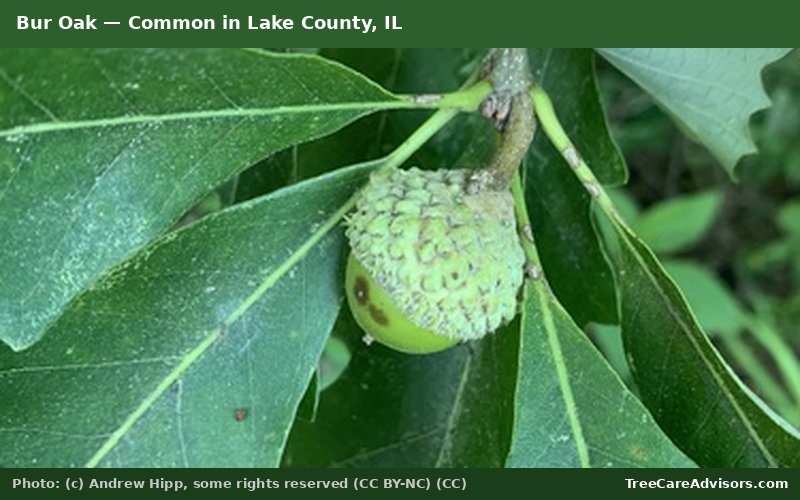
Bur Oak
Toughest native oak - drought, cold, and wind tolerant. Massive specimens
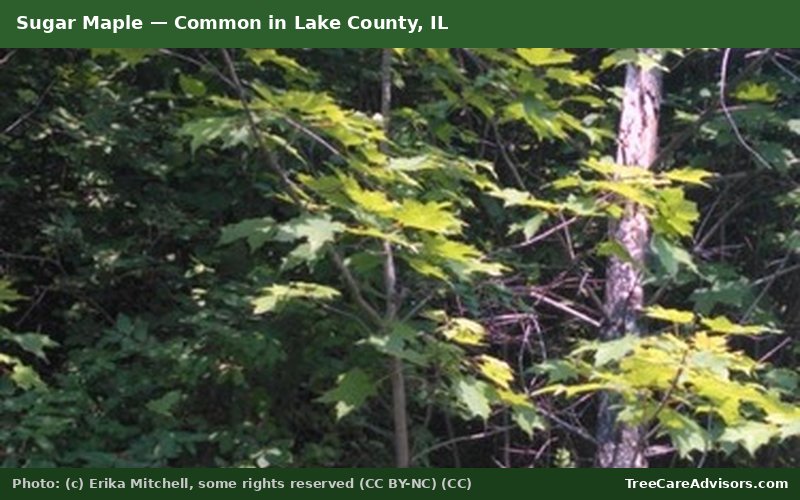
Sugar Maple
Fall color champion, syrup production, but salt-sensitive along roads
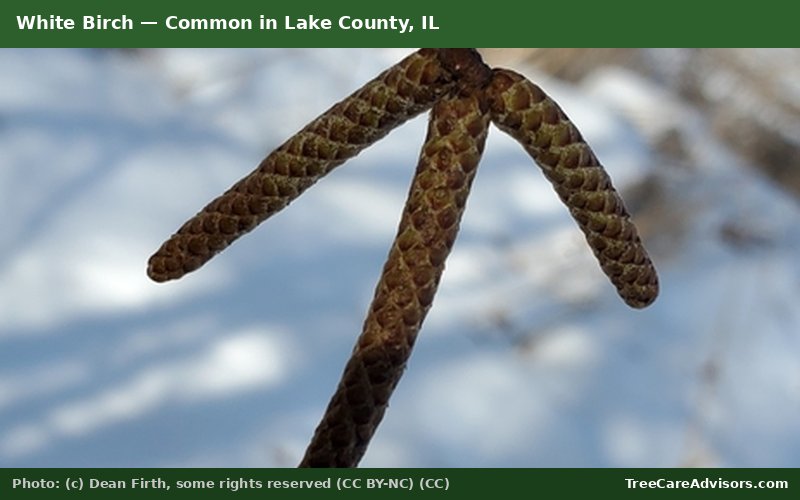
White Birch (Paper Birch)
Iconic white bark, short-lived (40-50 years), bronze birch borer vulnerable
Eastern White Pine
Tall, fast-growing, soft needles - blister rust susceptible
Problem Species to Watch
Green/White Ash
Functionally extinct in urban landscapes due to Emerald Ash Borer
Silver Maple
Weak wood + ice storms = constant cleanup, surface roots destroy lawns
Siberian Elm
Weak, messy, invasive - the tree equivalent of a weed
Tree Removal Cost in Highland Park
Highland Park's regional cost multiplier is 1.34x the national average, reflecting higher property values (median $593,000) and labor costs in the Chicago-Naperville-Elgin, IL-IN area. Varies significantly by tree size, species, and access
Tree Services Near Highland Park
We also cover tree care in these nearby communities:
Freeze Protection for Highland Park Trees
With January lows averaging 16.3°F in Highland Park, freezing temperatures can damage non-native and marginally hardy species. Tropical and semi-tropical plantings are particularly vulnerable.
Managing Highland Park's Aging Tree Canopy
~63-year-old trees need regular professional assessment. Watch for crown dieback, deadwood, and root-infrastructure conflicts.
Active Tree Threats in Lake County
Emerald Ash Borer (EAB) critical
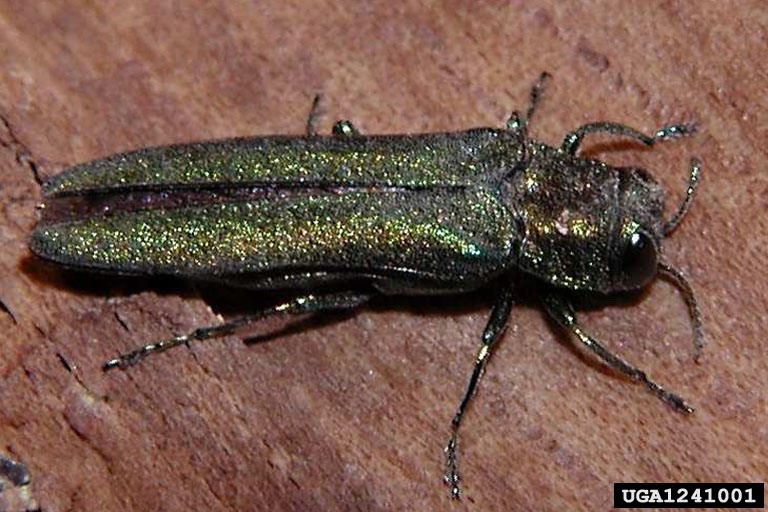
Affects: All ash species (Fraxinus) - green, white, black, blue ash
Metallic green beetle native to Asia. Larvae feed under bark, cutting off water and nutrient transport. Tree dies within 2-5 years of infestation. Has killed hundreds of millions of ash trees in North America since 2002.
Spotted Lanternfly high
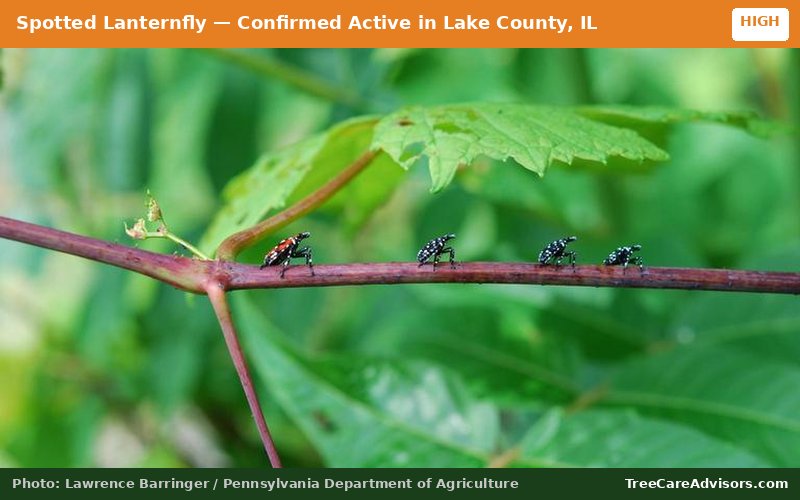
Affects: Tree of Heaven (primary host), but feeds on 70+ species including maples, oaks, walnut, willow, birch, grape
Showy planthopper from Asia. Feeds on sap, excretes honeydew that promotes sooty mold. Doesn't usually kill trees directly but weakens them and creates a mess. Major agricultural pest on grapes and orchards.
Oak Wilt high
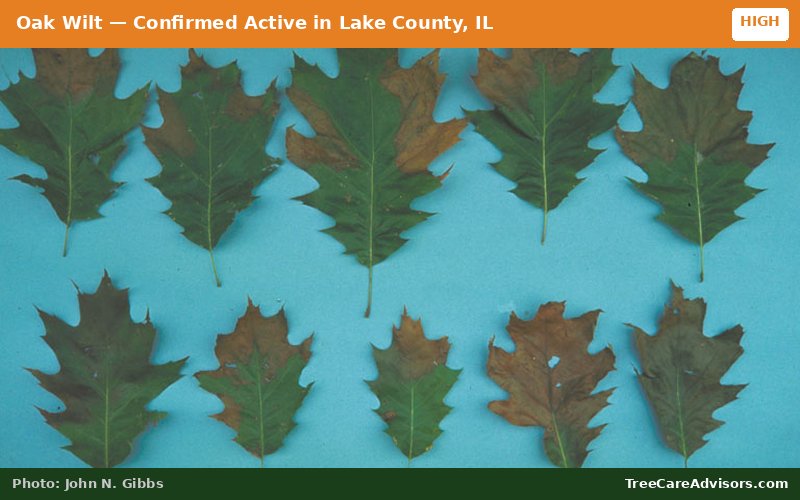
Affects: Red oak group (red, pin, scarlet, black - usually fatal). White oak group (white, bur, swamp white - slower, sometimes survivable).
Fungal disease (Ceratocystis fagacearum) that clogs water-conducting vessels. Red oaks can die within weeks. Spreads through connected root systems between nearby oaks and via beetles attracted to fresh wounds.
What 1960s-1980s-Era Trees Need in 2026
1960s-1980s Homes (45-65 years old trees)
Larger lot developments, more landscape design consciousness. Introduction of many Asian ornamentals.
Common Issues
- **Green Ash death** - if your home was built in the 1970s and has a large shade tree in front, there's a good chance it's a green ash. These are now being killed by Emerald Ash Borer across the eastern US. Dead ash become brittle hazards within 1-2 years.
- **Dogwood decline** - dogwood anthracnose (Discula destructiva) killed millions of native flowering dogwoods starting in the 1980s. Surviving trees are often weakened.
- **Cherry tree aging** - flowering cherries planted in this era are at or past their 25-40 year lifespan. Bacterial canker and boring insects are common in aging specimens.
Recommended Actions
- Immediate assessment of any Green Ash - decide between treatment (expensive, ongoing) and removal (one-time, plan replacement)
- Replace dead or declining Dogwoods with disease-resistant Kousa Dogwood or native alternatives
- Evaluate Leyland Cypress hedges - thin or replace with smaller alternatives if they're overwhelming the property
Frequently Asked Questions
How much does tree removal cost in Highland Park?
Do I need a permit to remove a tree in Highland Park?
How do I know if my 63-year-old tree needs to be removed?
Can freezing temperatures damage my trees in Highland Park?
How do I find a good arborist in Highland Park?
Get Tree Removal Quotes in Highland Park
Compare ISA-certified arborists serving Highland Park and Lake County.
Get Free Quotes