Tree Health & Disease Treatment in Parkville, MO
Cost Estimates - Parkville
Tree Health in Parkville
In USDA Zone 6b (Mixed-Humid), trees face specific health challenges that generic lawn services don't understand.
Current Threats in Platte County
These are actively affecting trees in your area right now:
Formosan Subterranean Termites critical
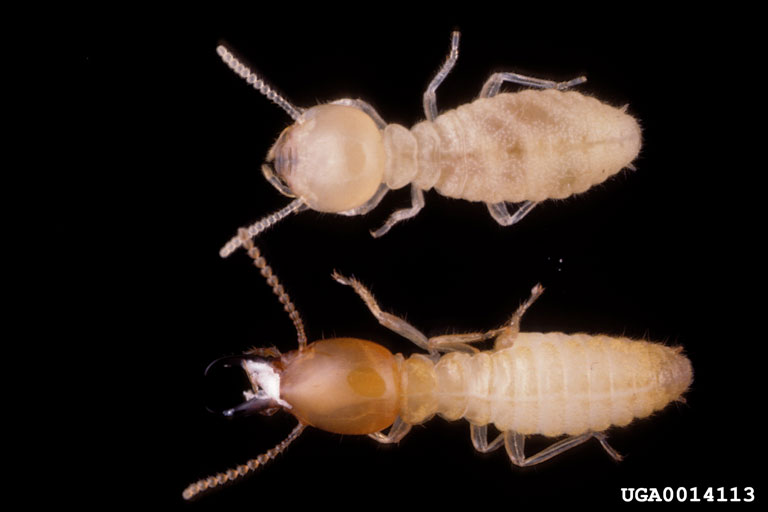
Affects: Both dead wood and living trees - will hollow out live oaks and other species from the inside
The most destructive termite species in the US. Colonies can contain millions of individuals. Unlike native termites, Formosans build above-ground carton nests IN living trees, consuming heartwood while the tree appears healthy from outside.
Laurel Wilt critical
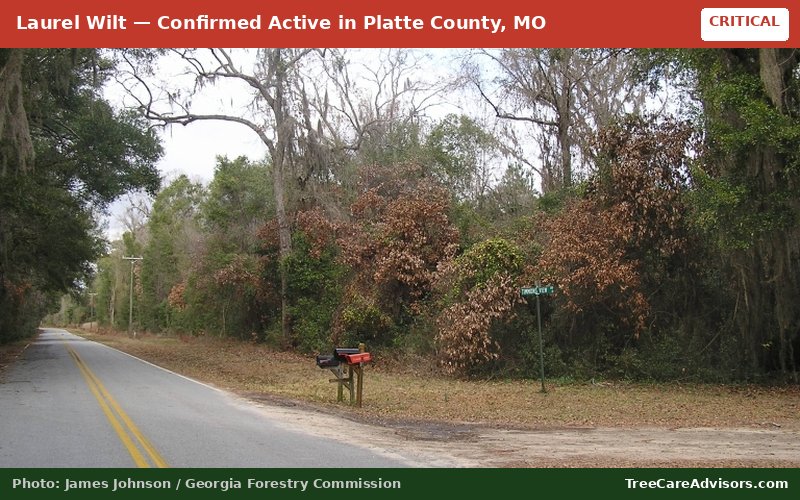
Affects: Redbay, sassafras, swamp bay, avocado, pondspice
Fungal disease spread by the redbay ambrosia beetle (invasive from Asia). The beetle introduces the fungus when it bores into the tree to farm. Has killed over 300 million redbays and threatens the avocado industry.
Southern Pine Beetle high
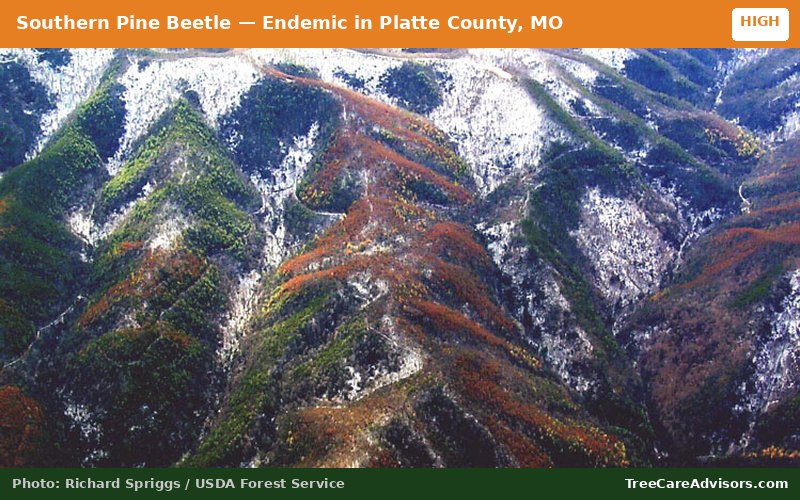
Affects: Loblolly, shortleaf, Virginia, pitch, and other southern pines
Small bark beetle (size of a grain of rice) that mass-attacks stressed pines. Trees die rapidly when beetle populations overwhelm defenses. Outbreaks can kill thousands of acres of pine.
Signs Your Tree Needs Help
- Leaf discoloration out of season - yellowing, browning, or spotted leaves during the growing season indicate disease, nutrient deficiency, or root stress
- Premature leaf drop - healthy trees hold leaves until fall. Early drop means something is wrong underground or in the vascular system
- Thinning canopy - if you can see more sky through the crown than you used to, the tree is declining
- Bark abnormalities - oozing sap, cankers (sunken dead patches), or bark falling off in sheets
- Mushrooms at the base - fruiting bodies indicate extensive internal decay. Get a professional assessment immediately.
See full climate profile and risk assessment for Parkville →
Storm Damage Risk in Parkville
Platte County averages 15.4 significant storm events per year, including 6.4 high-wind events.
Common Trees in Parkville
Native & Adapted Species
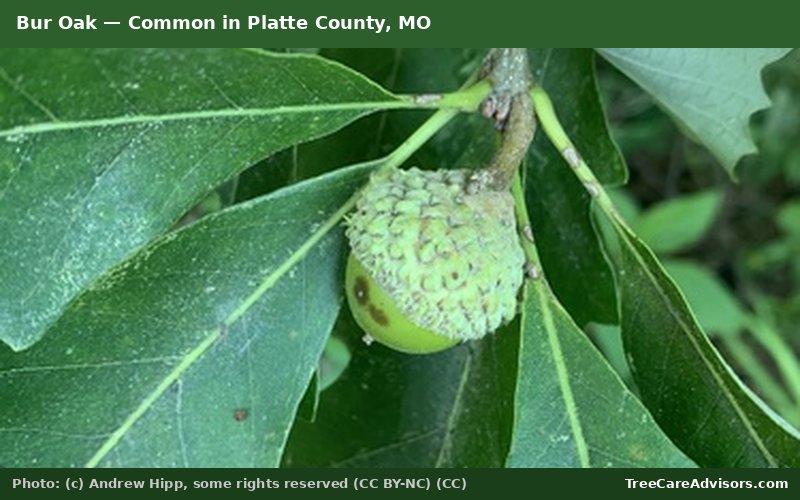
Bur Oak
Toughest native oak - drought, cold, and wind tolerant. Massive specimens
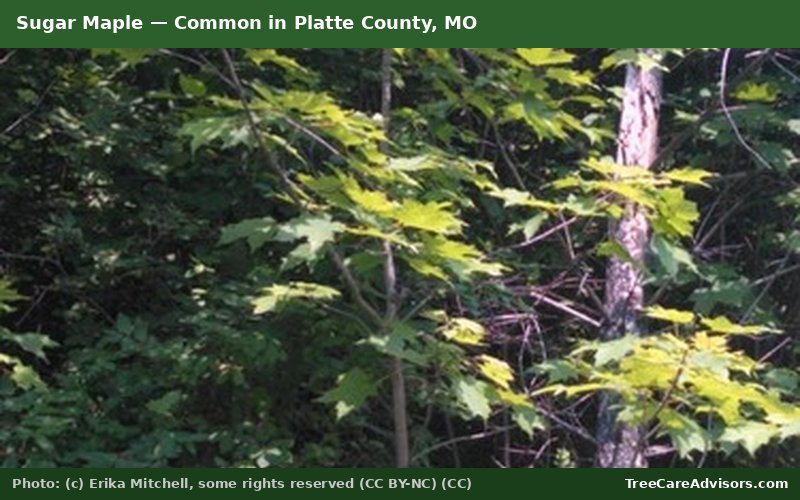
Sugar Maple
Fall color champion, syrup production, but salt-sensitive along roads
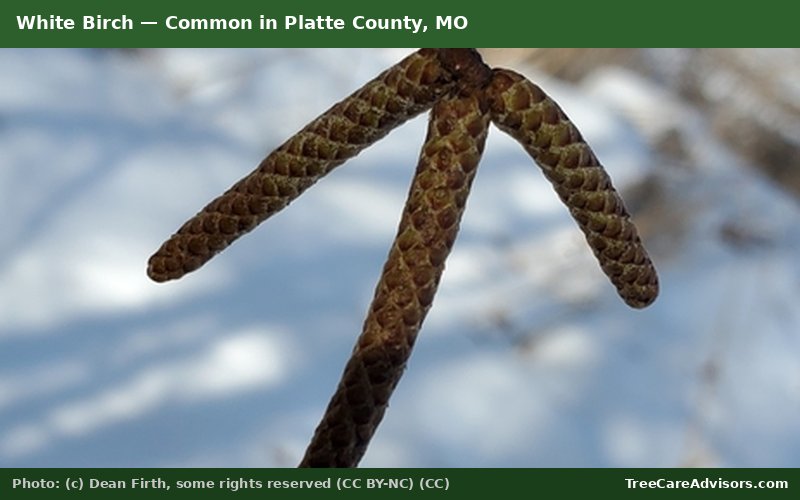
White Birch (Paper Birch)
Iconic white bark, short-lived (40-50 years), bronze birch borer vulnerable
Eastern White Pine
Tall, fast-growing, soft needles - blister rust susceptible
Problem Species to Watch
Green/White Ash
Functionally extinct in urban landscapes due to Emerald Ash Borer
Silver Maple
Weak wood + ice storms = constant cleanup, surface roots destroy lawns
Siberian Elm
Weak, messy, invasive - the tree equivalent of a weed
Tree Health & Disease Treatment Cost in Parkville
Parkville's regional cost multiplier is 1.3x the national average, reflecting higher property values (median $556,500) and labor costs in the Kansas City, MO-KS area. Varies significantly by tree size, species, and access
Tree Services Near Parkville
We also cover tree care in these nearby communities:
Freeze Protection for Parkville Trees
With January lows averaging 19.5°F in Parkville, freezing temperatures can damage non-native and marginally hardy species. Tropical and semi-tropical plantings are particularly vulnerable.
What 1980s-2000s-Era Trees Need in 2026
1980s-2000s Homes (25-45 years old trees)
Peak of designed residential landscapes. Professional landscape architects specified diverse palettes. McMansion era brought larger properties with more trees.
Common Issues
- **'Crepe Murder'** - the epidemic of bad pruning (topping crepe myrtles into ugly stubs) has created structurally compromised trees with weak regrowth across the South.
- **Approaching first major maintenance** - trees in this age range are large enough to need professional pruning for the first time. Many homeowners haven't budgeted for it.
- **Raywood Ash decline** - widely planted in California in the 1990s, now showing anthracnose and structural decline
Recommended Actions
- Structural pruning NOW - this is the critical window to establish good branch architecture before trees get too large
- Stop 'crepe murder' - educate on proper crepe myrtle pruning (remove crossing/rubbing branches, not indiscriminate topping)
- Replace short-lived ornamentals (purple-leaf plum, Bradford pear) that are declining
Frequently Asked Questions
How much does tree health & disease treatment cost in Parkville?
What is Formosan Subterranean Termites and should I be worried in Parkville?
Can freezing temperatures damage my trees in Parkville?
How do I find a good arborist in Parkville?
Get Tree Health & Disease Treatment Quotes in Parkville
Compare ISA-certified arborists serving Parkville and Platte County.
Get Free Quotes