Stump Grinding & Removal in Palo Cedro, CA
Cost Estimates - Palo Cedro
Why Remove the Stump?
After tree removal, the stump isn't just ugly - it's a problem:
- Root sprouting - many species (especially Coast Live Oak) send up aggressive shoots from the stump. You'll be cutting sprouts for years.
- Pest habitat - decaying stumps attract termites, carpenter ants, and beetles. In Palo Cedro's moderate heavy termite zone, this is a real concern.
- Fungal spread - root rot fungi like Armillaria can spread from a dead stump to living trees through root contact underground.
- Tripping hazard and lawn care headache - can't mow over it, grass doesn't grow around it, and it takes 10-15 years to decompose naturally.
Grinding vs Chemical Removal
Grinding is the standard method - a machine chews the stump down 6-12 inches below grade. Takes 30-90 minutes for a typical stump. You're left with a pile of wood chips that makes decent mulch. This is what most arborists recommend.
Chemical removal (potassium nitrate) accelerates decomposition over 4-6 weeks, then you can break up the softened wood. Cheaper but slower, and doesn't address the root system.
See full climate profile and risk assessment for Palo Cedro →
Common Trees in Palo Cedro
Native & Adapted Species
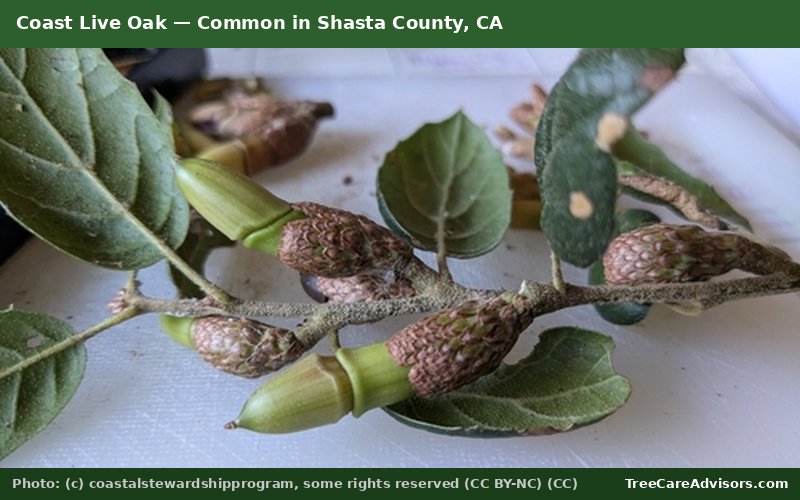
Coast Live Oak
Evergreen oak, iconic California species, protected in most jurisdictions
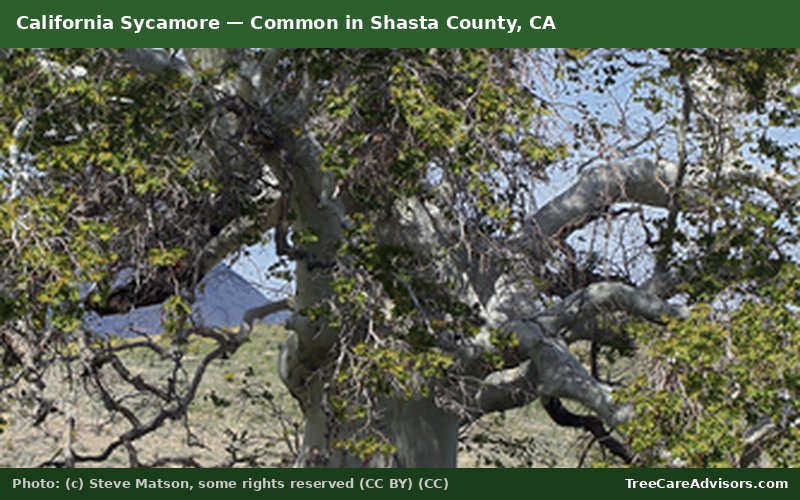
California Sycamore
Large deciduous, peeling bark, needs space - can reach 80ft
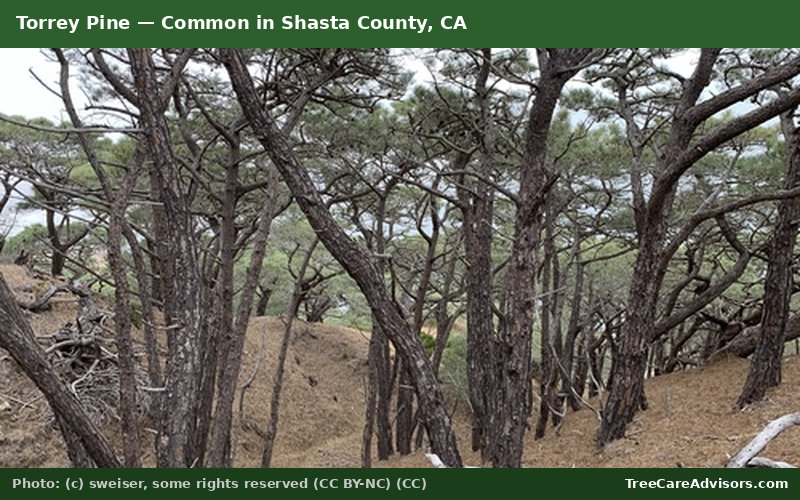
Torrey Pine
Rarest pine in US, native only to San Diego coast
California Bay Laurel
Aromatic evergreen, good shade, slow-growing
Problem Species to Watch
Ficus (all species)
Massive root systems destroy infrastructure - the #1 urban tree problem in SoCal
Eucalyptus (Blue Gum)
Extremely tall, brittle, limb drop, fire hazard in canyons
Mexican Fan Palm
Dead frond drop hazard, rat harborage, no shade value, fire risk
Stump Grinding & Removal Cost in Palo Cedro
Palo Cedro's regional cost multiplier is 1.26x the national average, reflecting higher property values (median $521,800) and labor costs in the Redding, CA area. Varies significantly by tree size, species, and access
Tree Services Near Palo Cedro
We also cover tree care in these nearby communities:
Wildfire & Defensible Space
Key defensible space practices for Palo Cedro properties:
- Maintain 30 feet of cleared space immediately around structures
- Remove dead branches, leaf litter, and dry vegetation
- Prune tree canopies to create 10+ feet of clearance between crowns
- Remove highly flammable species (eucalyptus, juniper, ornamental grasses) near structures
Active Tree Threats in Shasta County
Sudden Oak Death (SOD) critical in coastal areas
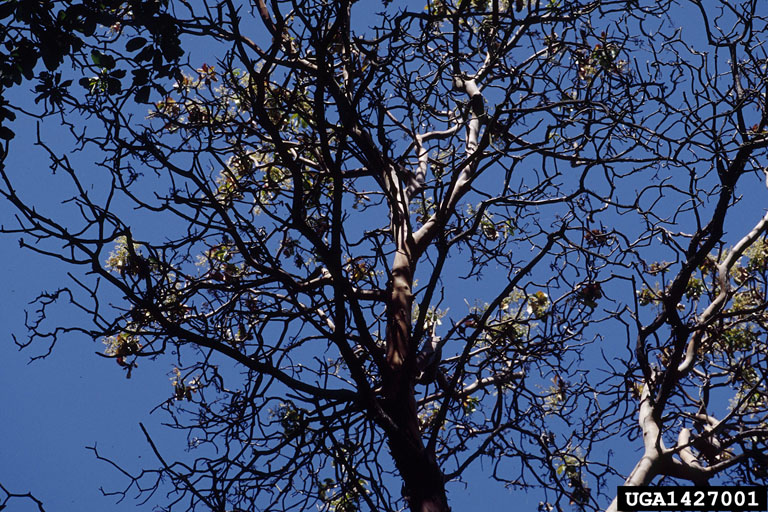
Affects: Tanoak (most lethal), coast live oak, California black oak, Shreve oak, and 100+ other species as carriers
Water mold (Phytophthora ramorum) that causes cankers on oak trunks, leading to rapid death. Spread by rain splash from infected bay laurel leaves. Has killed millions of oaks and tanoaks since 1990s.
Invasive Shot Hole Borers (ISHB/KSHB) high
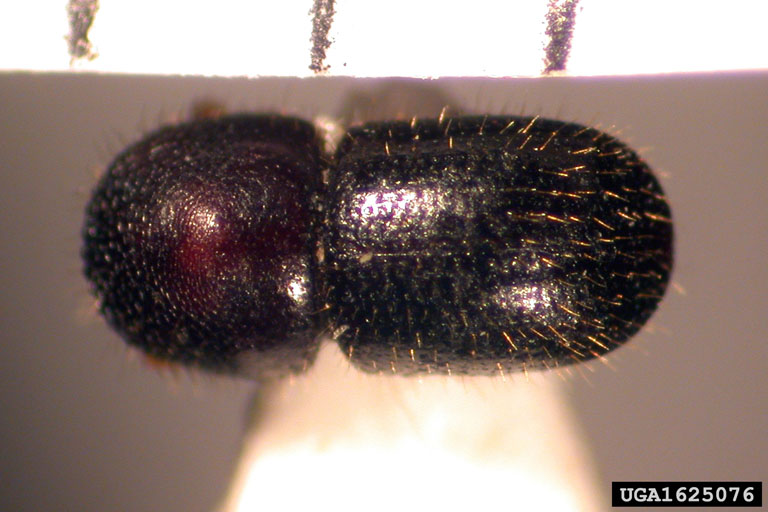
Affects: 100+ species - sycamores, box elder, coast live oak, avocado, willows, maples most affected
Tiny ambrosia beetles that bore into trees and introduce a Fusarium fungus they farm for food. The fungus clogs the tree's vascular system (Fusarium dieback). Entry holes are tiny (< 1mm) but staining on bark is visible.
Goldspotted Oak Borer high in San Diego
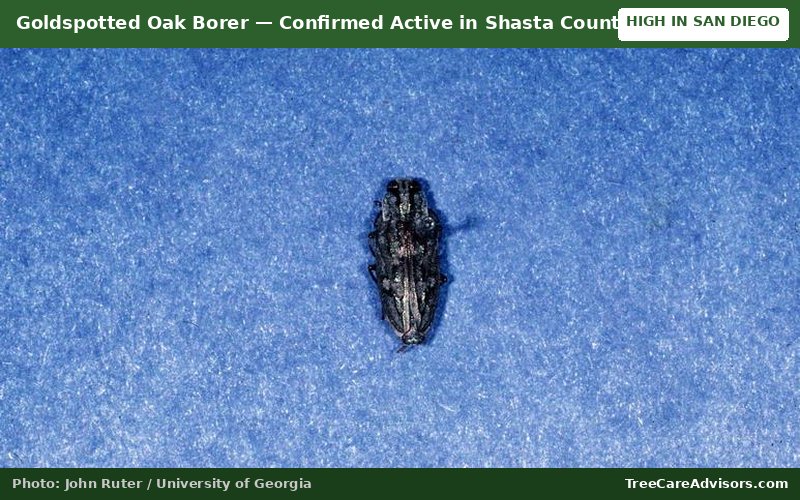
Affects: Coast live oak, California black oak, canyon live oak
Beetle native to Arizona/Mexico that has established in Southern California. Larvae bore under bark of oaks, killing branches and eventually the tree. First detected 2004, has killed >80,000 oaks in San Diego.
What 1960s-1980s-Era Trees Need in 2026
1960s-1980s Homes (45-65 years old trees)
Larger lot developments, more landscape design consciousness. Introduction of many Asian ornamentals.
Common Issues
- **Green Ash death** - if your home was built in the 1970s and has a large shade tree in front, there's a good chance it's a green ash. These are now being killed by Emerald Ash Borer across the eastern US. Dead ash become brittle hazards within 1-2 years.
- **Dogwood decline** - dogwood anthracnose (Discula destructiva) killed millions of native flowering dogwoods starting in the 1980s. Surviving trees are often weakened.
- **Cherry tree aging** - flowering cherries planted in this era are at or past their 25-40 year lifespan. Bacterial canker and boring insects are common in aging specimens.
Recommended Actions
- Immediate assessment of any Green Ash - decide between treatment (expensive, ongoing) and removal (one-time, plan replacement)
- Replace dead or declining Dogwoods with disease-resistant Kousa Dogwood or native alternatives
- Evaluate Leyland Cypress hedges - thin or replace with smaller alternatives if they're overwhelming the property
Frequently Asked Questions
How much does stump grinding & removal cost in Palo Cedro?
How do I find a good arborist in Palo Cedro?
Get Stump Grinding & Removal Quotes in Palo Cedro
Compare ISA-certified arborists serving Palo Cedro and Shasta County.
Get Free Quotes