Tree Care in Clover Creek, WA
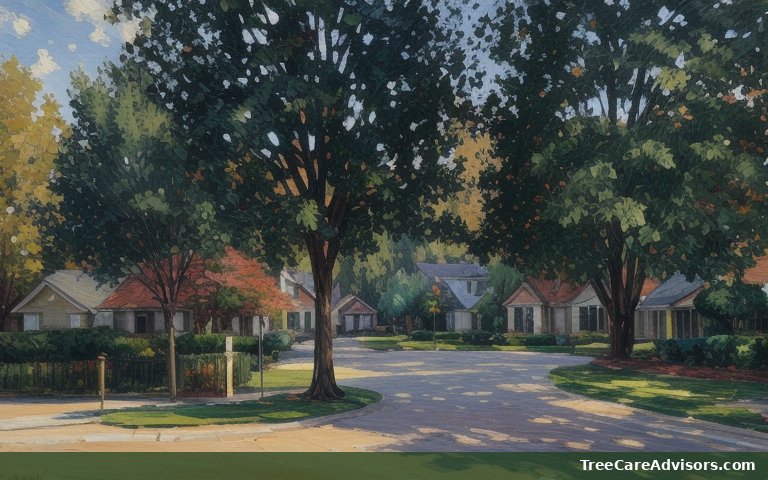
Why Tree Care Matters in Clover Creek
Professional tree care here is about managing specific, local risks. Our wet climate is ideal for fungal issues like Laminated Root Rot, which can silently kill roots. We also watch for Swiss Needle Cast on Douglas Firs and the Bronze Birch Borer, which targets non-native birches. Furthermore, invasive English Ivy is rampant, climbing trunks and slowly strangling trees. A certified arborist doesn't just trim. We diagnose these local threats, prescribe treatments to preserve tree health, and perform structural pruning to prevent storm damage, protecting your home and your investment.
Your Tree's History
The tree issues you face are directly tied to your home's era. Most Clover Creek homes were built in the 1980s and 90s, a time when certain fast-growing or ornamental species were popular in landscaping. Many of these trees, like Black Locust or English Holly, are now known to be invasive or problematic. They've reached full maturity and may be declining, outgrowing their space, or harming native ecosystems. This means your tree care isn't just maintenance. It's often about making strategic decisions to replace problem species with resilient natives suited to our Pierce County soil and climate.
Clover Creek Climate Profile
Risk Assessment
Growing & Pruning
Tree Services in Clover Creek
Tree Removal
Safe removal of dead, dying, hazardous, or unwanted trees
Tree Trimming & Pruning
Professional pruning for health, safety, and appearance
Stump Grinding & Removal
Complete stump removal after tree cutting
Emergency Tree Service
24/7 response for storm damage, fallen trees, and hazardous situations
Tree Health & Disease Treatment
Diagnosis and treatment of tree pests, diseases, and nutrient deficiencies
Common Trees in Clover Creek
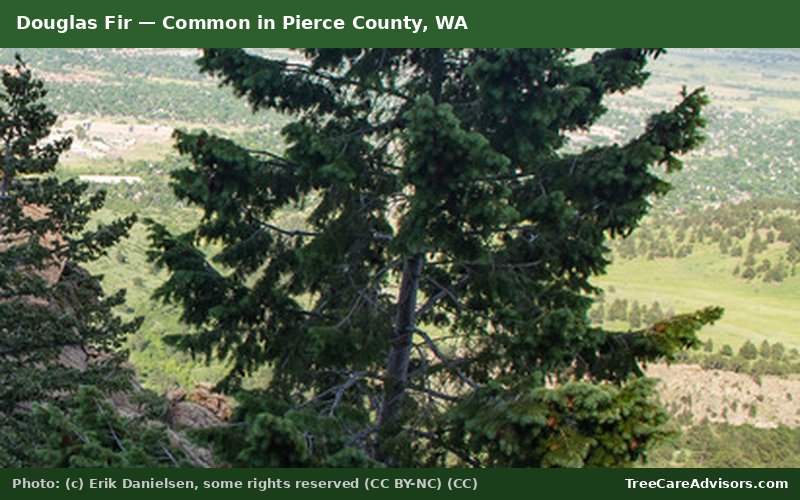
Douglas Fir
The defining tree of the PNW - can reach 250ft, dominant timber species
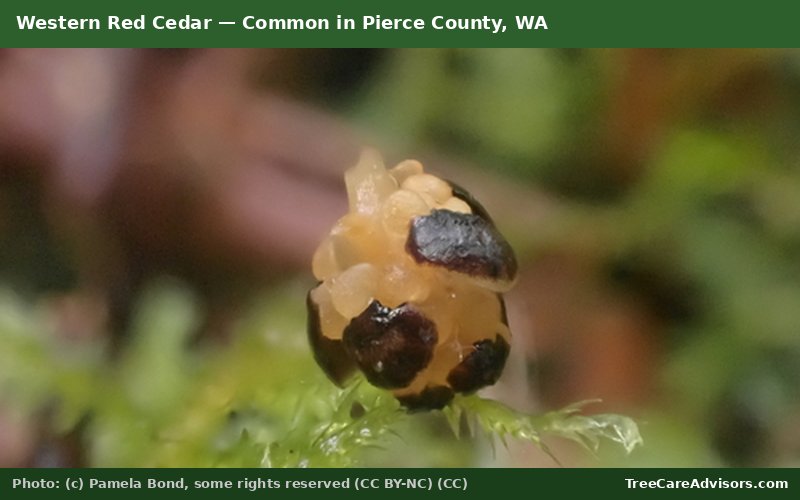
Western Red Cedar
Long-lived evergreen, naturally rot-resistant wood, cultural significance
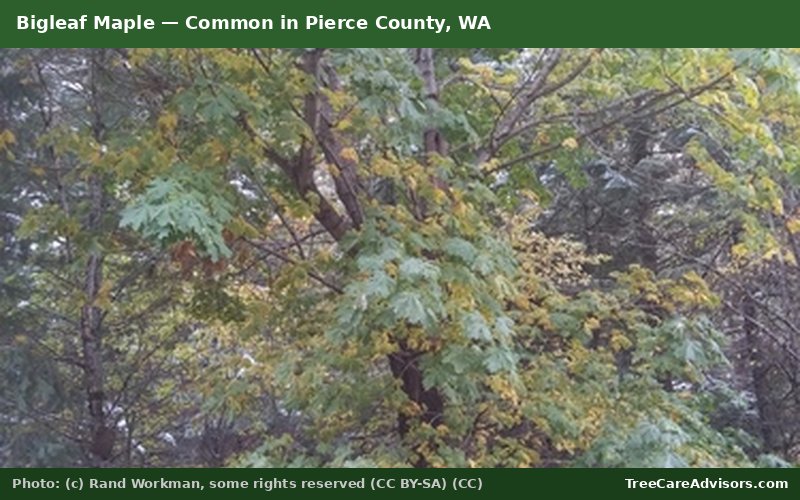
Bigleaf Maple
Massive spreading maple, moss-draped in wet climates, golden fall color
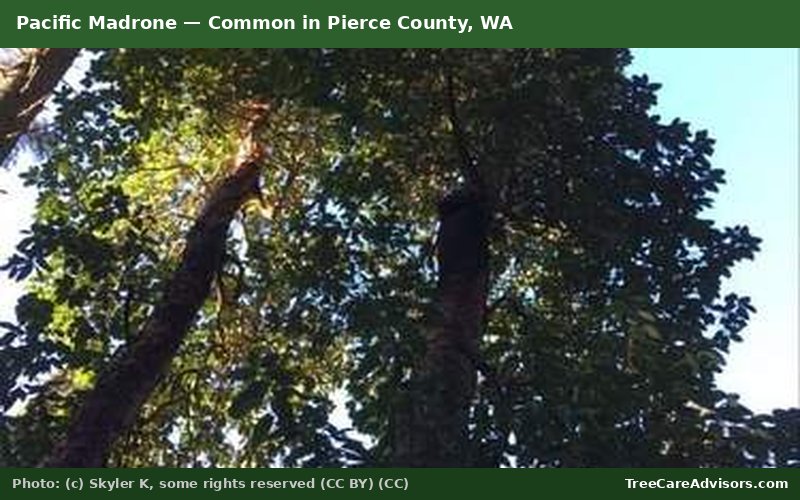
Pacific Madrone
Beautiful peeling red bark, evergreen broadleaf, difficult to transplant
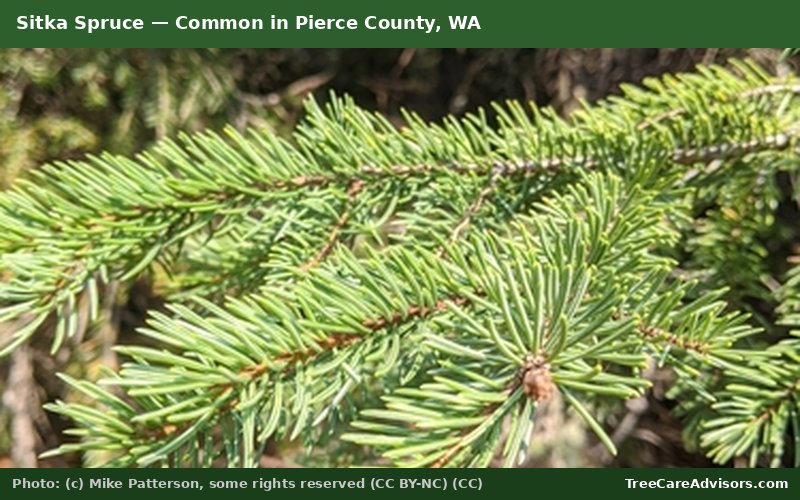
Sitka Spruce
Coastal giant, salt-tolerant, important wildlife habitat
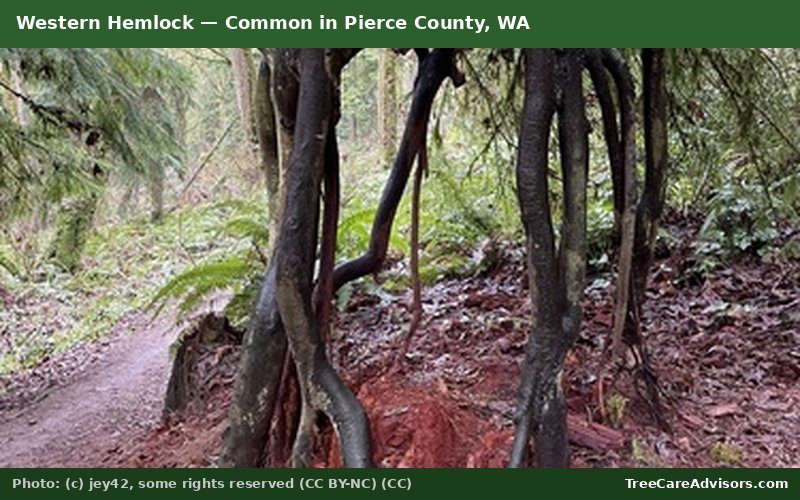
Western Hemlock
State tree of WA - graceful drooping tips, shade-tolerant
Active Tree Threats in Pierce County
Laminated Root Rot high
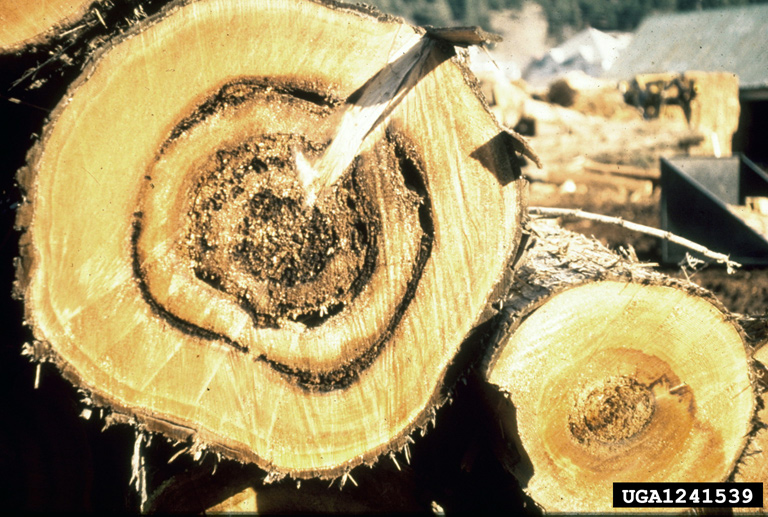
Affects: Douglas fir (primary), grand fir, mountain hemlock - the dominant conifers of the PNW
Soil fungus (Phellinus sulphurascens) that spreads through root contact. Infected trees show reduced growth, thinning crown, and eventually blow over in wind because roots are rotted. Spreads slowly but persistently through stands.
Swiss Needle Cast moderate-high
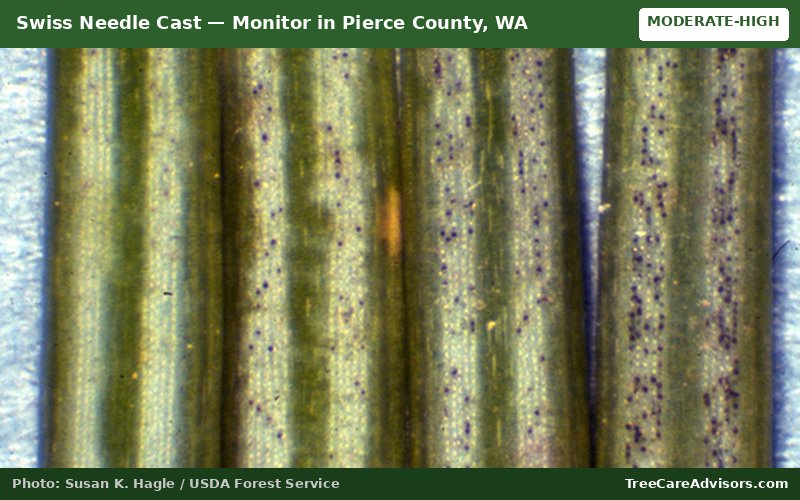
Affects: Douglas fir - the most common tree in PNW landscapes
Fungal disease that causes Douglas fir to shed needles prematurely. Trees look thin and yellow. Fog and moisture promote the fungus. Coastal areas worst affected.
Bronze Birch Borer moderate
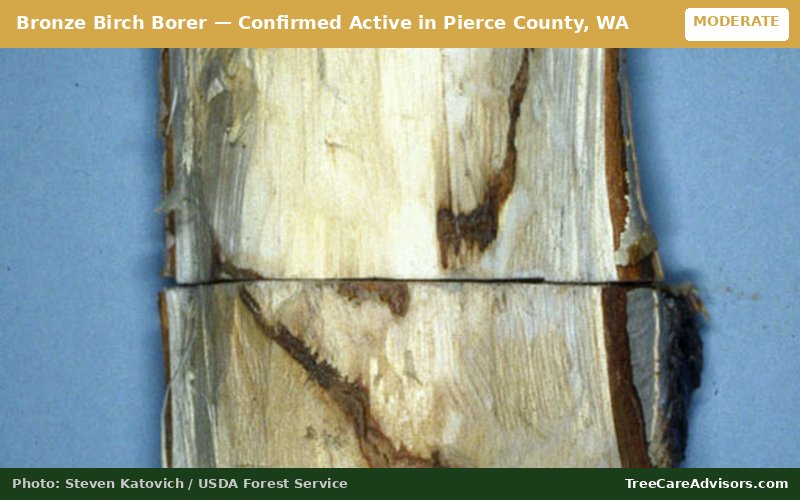
Affects: European white birch (highly susceptible), paper birch, other birch species
Native beetle that attacks stressed birch trees. Larvae bore under bark, killing branches from top down. European white birch (the popular ornamental) is far more susceptible than native species.
Clover Creek Tree Data
Hiring a Tree Service in Clover Creek
With over 300 landscaping companies in the area, choosing the right service is key. Always look for a certified arborist and request proof of insurance. In Pierce County, a reputable professional will know our specific soil conditions, recognize local pests on sight, and understand permitting requirements for protected species like native evergreens. Ask for local references and avoid companies that recommend topping trees, which is harmful and indicates outdated practices.
Nearby Areas We Serve
Get Tree Care Quotes in Clover Creek
Compare ISA-certified arborists serving Clover Creek and Pierce County.
Get Free Quotes