Tree Care in Uintah, UT

Why Tree Care Matters in Uintah
Professional tree care here is about risk management and preservation. The specific pests in our area, like the Mountain Pine Beetle and the Ips Beetle complex, target stressed trees and can kill a mature pine in a single season. A certified arborist knows how to identify the early signs of an infestation that a homeowner might miss. Furthermore, our winter lows near 20°F and summer highs over 90°F create stress cracks and weak limbs. A professional doesn't just trim; they perform structural pruning to help your trees withstand our wind events, preventing costly damage to your home or vehicle.
Your Tree's History
Homes built in the 1980s and 1990s often came with landscaping chosen for fast growth, not long-term suitability. This is when problem species like Siberian Elm and Russian Olive became widespread. These trees are now brittle, prone to breaking in storms, and invasive. Similarly, many Green Ash trees were planted during this era and are now under direct threat from the approaching Emerald Ash Borer. A tree from this period may be at the end of its natural lifespan for its species or require significant intervention to remain safe and healthy on your property.
Uintah Climate Profile
Risk Assessment
Growing & Pruning
Tree Services in Uintah
Tree Removal
Safe removal of dead, dying, hazardous, or unwanted trees
Tree Trimming & Pruning
Professional pruning for health, safety, and appearance
Stump Grinding & Removal
Complete stump removal after tree cutting
Emergency Tree Service
24/7 response for storm damage, fallen trees, and hazardous situations
Tree Health & Disease Treatment
Diagnosis and treatment of tree pests, diseases, and nutrient deficiencies
Common Trees in Uintah
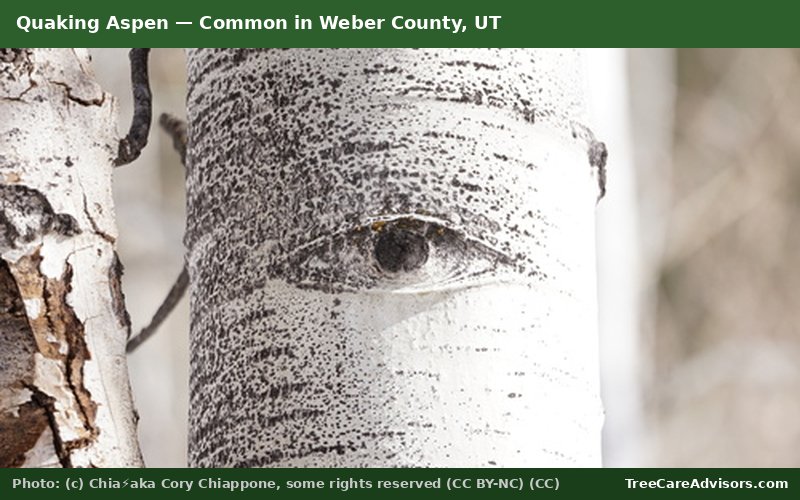
Quaking Aspen
The iconic mountain tree - actually a clonal organism, golden fall color, short-lived individually (40-60 yrs)
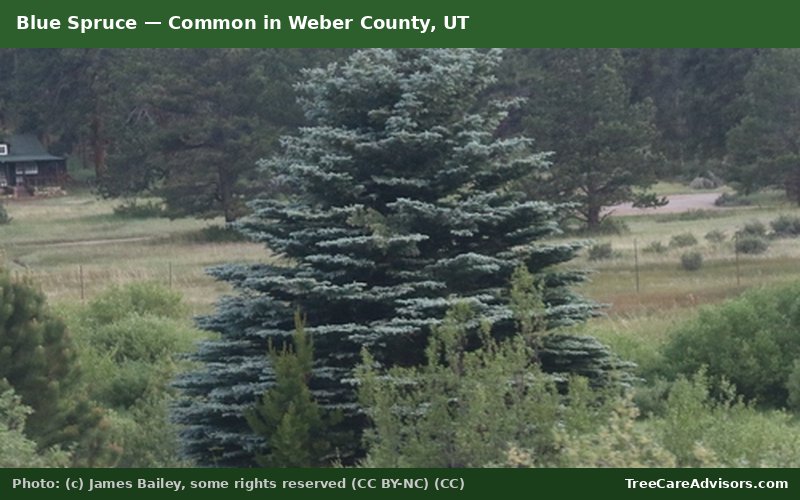
Blue Spruce
Colorado's state tree, stiff blue needles - but needle cast disease is epidemic
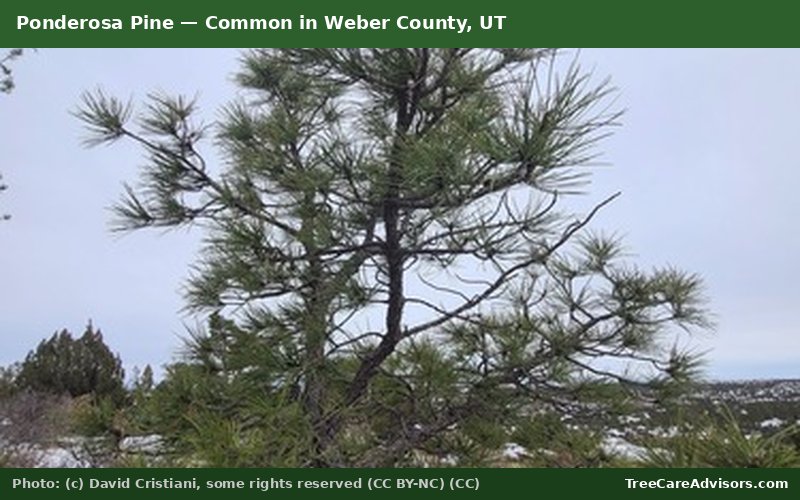
Ponderosa Pine
Tall, open-crowned, butterscotch-scented bark, fire-adapted
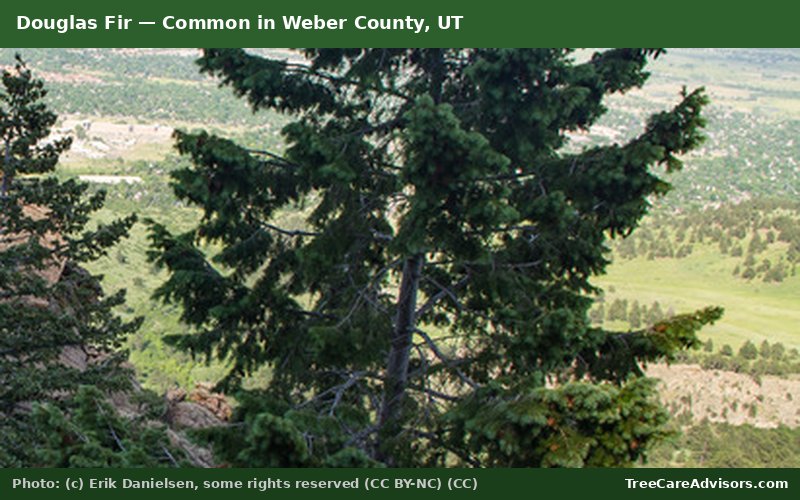
Douglas Fir
Not a true fir - tall, pyramidal, important timber species
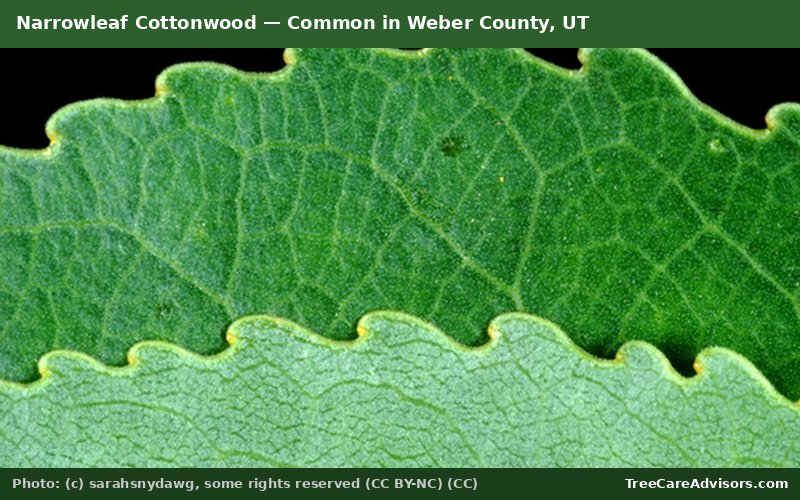
Narrowleaf Cottonwood
Riparian species, fast-growing, brilliant yellow fall color
Active Tree Threats in Weber County
Mountain Pine Beetle critical
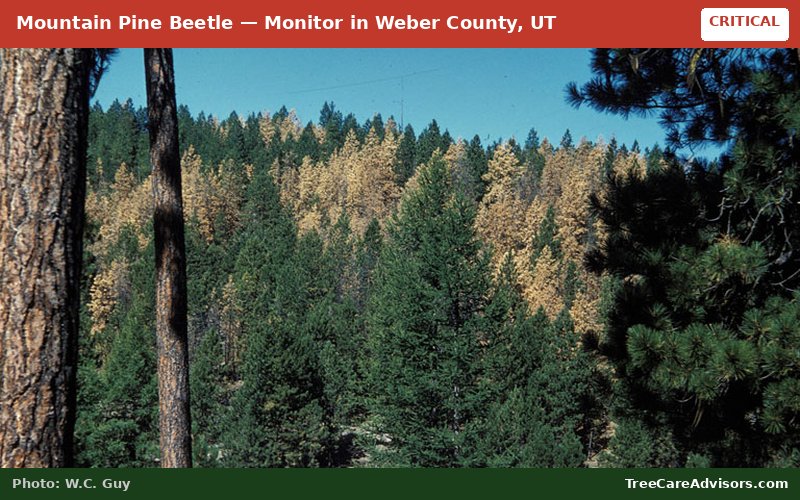
Affects: Lodgepole pine (primary), ponderosa pine, limber pine, whitebark pine
Native bark beetle whose populations have exploded due to drought and warmer winters that no longer kill overwintering larvae. Beetles mass-attack trees, introducing blue-stain fungi that stop water transport. Trees turn red and die within a year.
Emerald Ash Borer critical
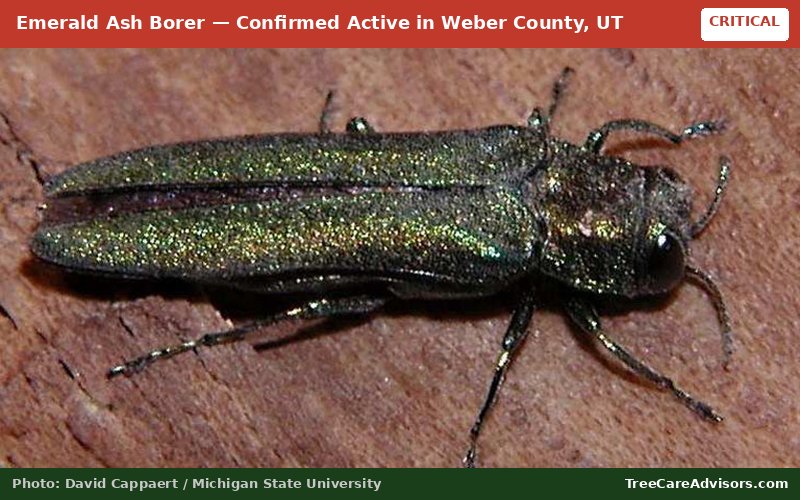
Affects: All ash species - very common urban trees in Front Range CO and Wasatch Front UT
Same devastating beetle as eastern US. Colorado and Utah cities planted heavily in ash - many municipalities have 15-20% ash canopy that will be lost.
Ips Beetle Complex moderate-high
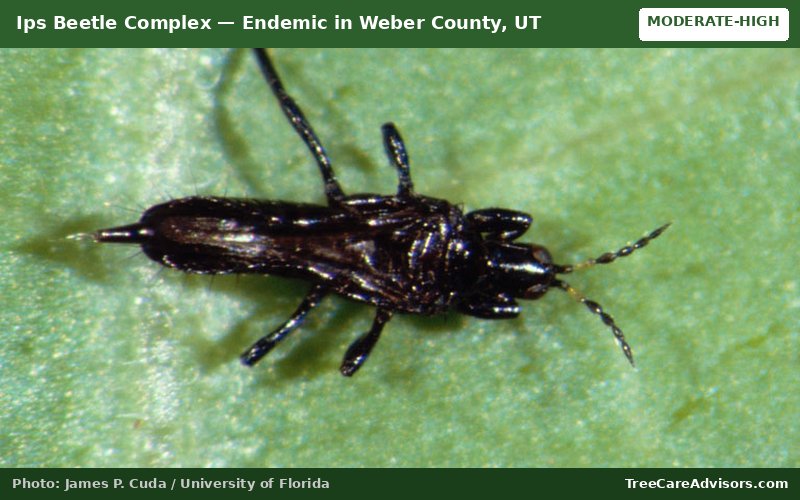
Affects: Spruce, pine - urban and forest settings
Multiple Ips bark beetle species that attack weakened conifers. Unlike mountain pine beetle, Ips can have multiple generations per year and attacks a broader range of species including spruce.
Uintah Tree Data
Hiring a Tree Service in Uintah
With over 100 landscaping companies in Weber County, it's critical to hire specifically for tree care. Look for an ISA Certified Arborist who is insured. Ask for local references and if they are familiar with treating for Ips beetles in pines or assessing ash trees for borer risk. A true professional will provide a detailed, written estimate that explains the work needed for your specific trees, not just a generic price for removal.
Nearby Areas We Serve
Get Tree Care Quotes in Uintah
Compare ISA-certified arborists serving Uintah and Weber County.
Get Free Quotes