Tree Care in New Harmony, UT
Why Tree Care Matters in New Harmony
Professional tree care here is about protecting a significant asset. A mature, healthy Ponderosa Pine or Douglas Fir on your property has real, quantifiable value, assessed by industry standards that consider species, size, and condition. More importantly, proper care manages specific risks. Our area faces pest threats like the Mountain Pine Beetle and the impending arrival of Emerald Ash Borer, which targets vulnerable Green Ash trees. A certified arborist can implement preventive treatments and identify structural weaknesses in older trees before our 3-4 annual storm events cause costly damage.
Your Tree's History
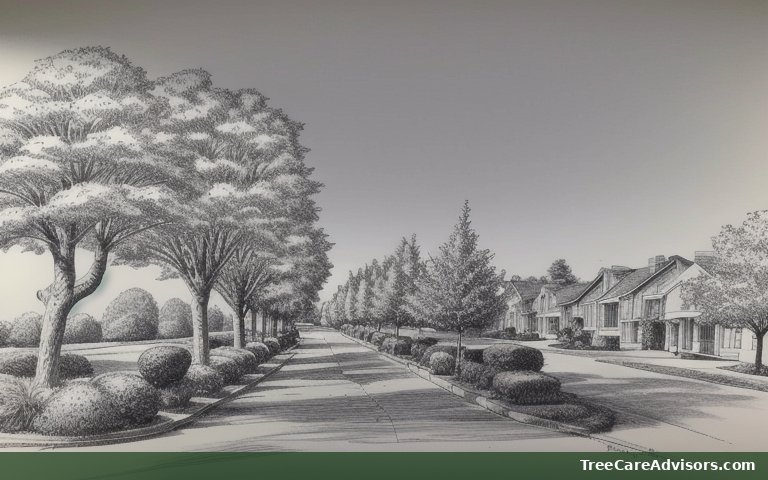
The trees around homes built in the 1980s and 90s are now at a critical stage. They are fully mature, which means they provide great shade but also have larger, heavier limbs. Many were planted too close to structures or each other as saplings, leading to crowding and competition for water. This era also saw the planting of now-problem species like Russian Olive and Siberian Elm, which are invasive and brittle. These 40-year-old trees require structural pruning and assessment that wasn't necessary when they were young, to ensure they age safely on your property.
New Harmony Climate Profile
Risk Assessment
Growing & Pruning
Tree Services in New Harmony
Tree Removal
Safe removal of dead, dying, hazardous, or unwanted trees
Tree Trimming & Pruning
Professional pruning for health, safety, and appearance
Stump Grinding & Removal
Complete stump removal after tree cutting
Emergency Tree Service
24/7 response for storm damage, fallen trees, and hazardous situations
Tree Health & Disease Treatment
Diagnosis and treatment of tree pests, diseases, and nutrient deficiencies
Common Trees in New Harmony
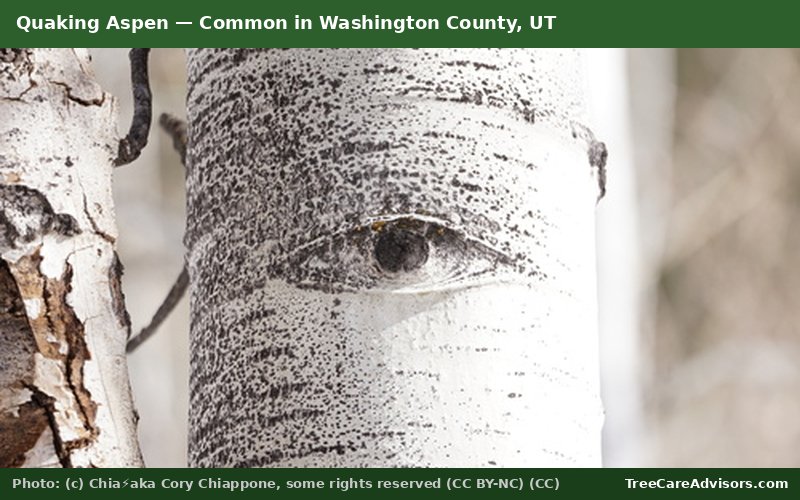
Quaking Aspen
The iconic mountain tree - actually a clonal organism, golden fall color, short-lived individually (40-60 yrs)
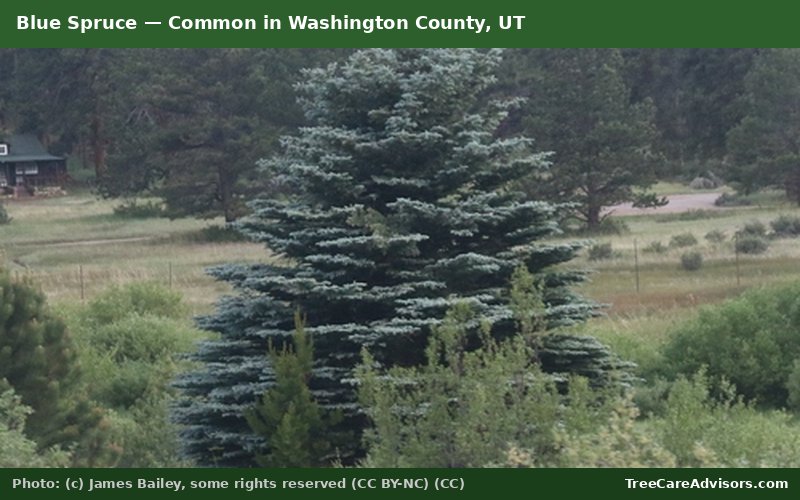
Blue Spruce
Colorado's state tree, stiff blue needles - but needle cast disease is epidemic
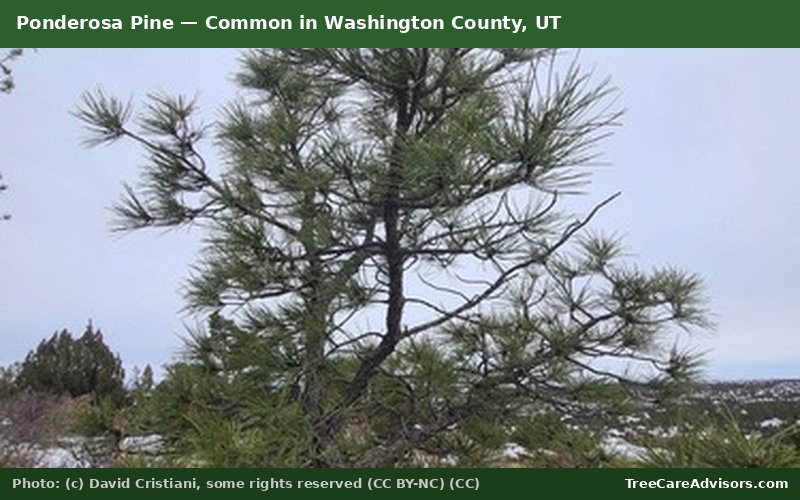
Ponderosa Pine
Tall, open-crowned, butterscotch-scented bark, fire-adapted
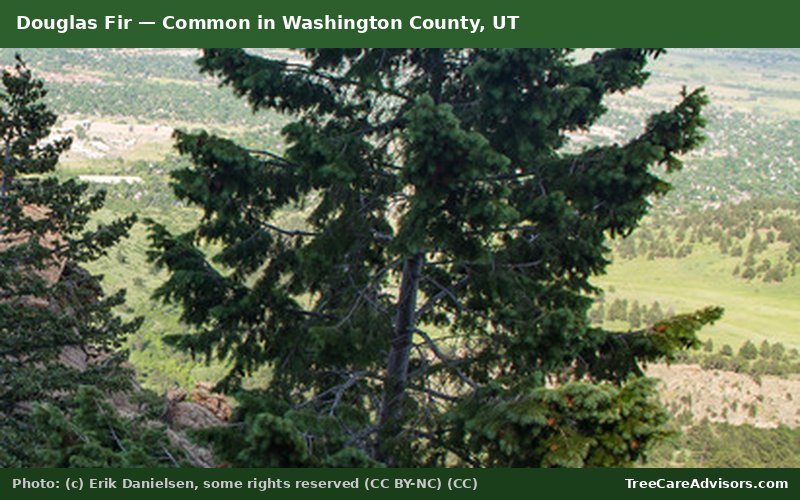
Douglas Fir
Not a true fir - tall, pyramidal, important timber species
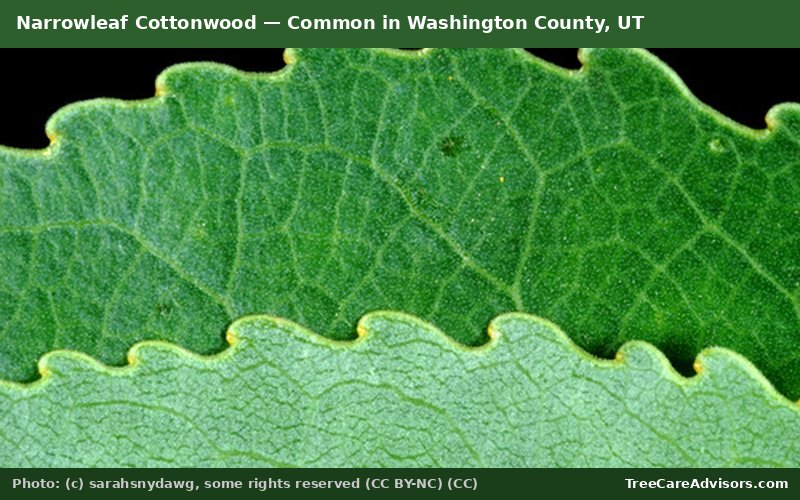
Narrowleaf Cottonwood
Riparian species, fast-growing, brilliant yellow fall color
Active Tree Threats in Washington County
Mountain Pine Beetle critical
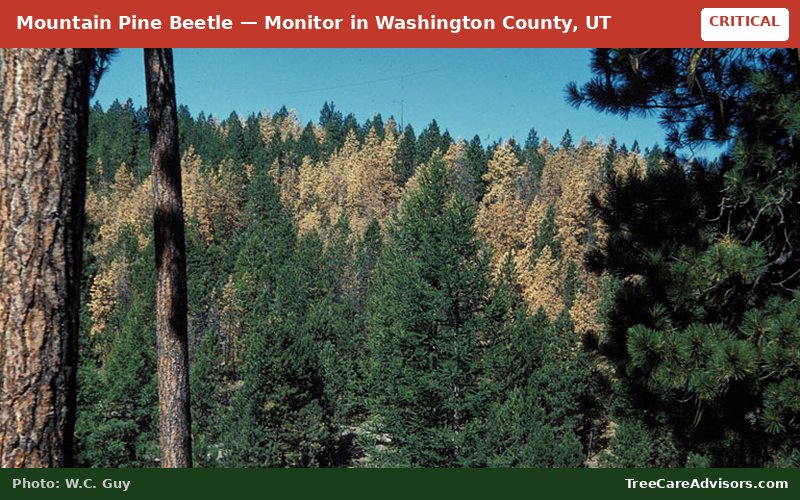
Affects: Lodgepole pine (primary), ponderosa pine, limber pine, whitebark pine
Native bark beetle whose populations have exploded due to drought and warmer winters that no longer kill overwintering larvae. Beetles mass-attack trees, introducing blue-stain fungi that stop water transport. Trees turn red and die within a year.
Emerald Ash Borer critical
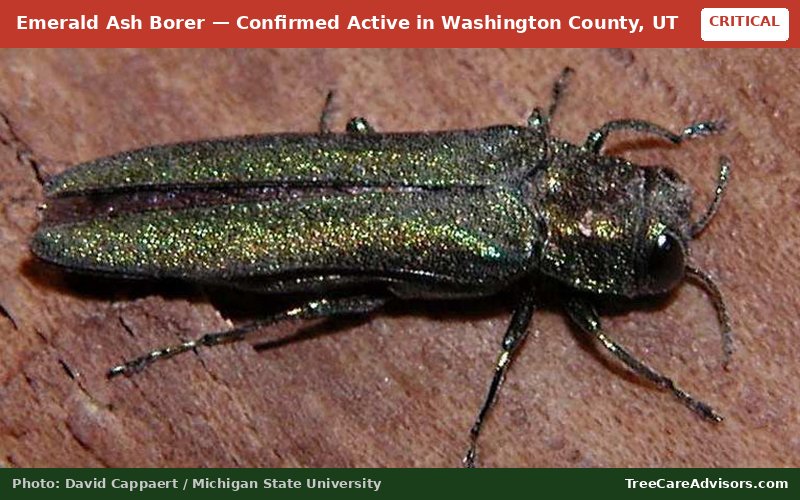
Affects: All ash species - very common urban trees in Front Range CO and Wasatch Front UT
Same devastating beetle as eastern US. Colorado and Utah cities planted heavily in ash - many municipalities have 15-20% ash canopy that will be lost.
Ips Beetle Complex moderate-high
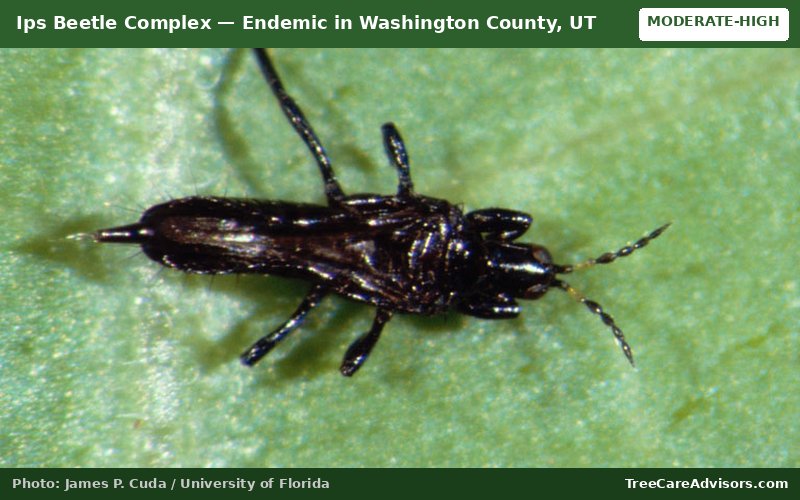
Affects: Spruce, pine - urban and forest settings
Multiple Ips bark beetle species that attack weakened conifers. Unlike mountain pine beetle, Ips can have multiple generations per year and attacks a broader range of species including spruce.
New Harmony Tree Data
Hiring a Tree Service in New Harmony
With 164 landscaping companies in Washington County, it's vital to choose the right service. For tree health, pruning, and risk assessment, look specifically for an ISA Certified Arborist. Ask for proof of insurance and if they follow ANSI A300 pruning standards. A true professional will diagnose issues specific to our zone 7a climate and soil, not just offer to cut branches. They should be able to explain threats like Ips beetles on pines and create a tailored plan for your native and non-native trees.
Nearby Areas We Serve
Get Tree Care Quotes in New Harmony
Compare ISA-certified arborists serving New Harmony and Washington County.
Get Free Quotes